SUBSCRIBE


How Different Materials Affect Light Diffusion in Patterned Lampshades
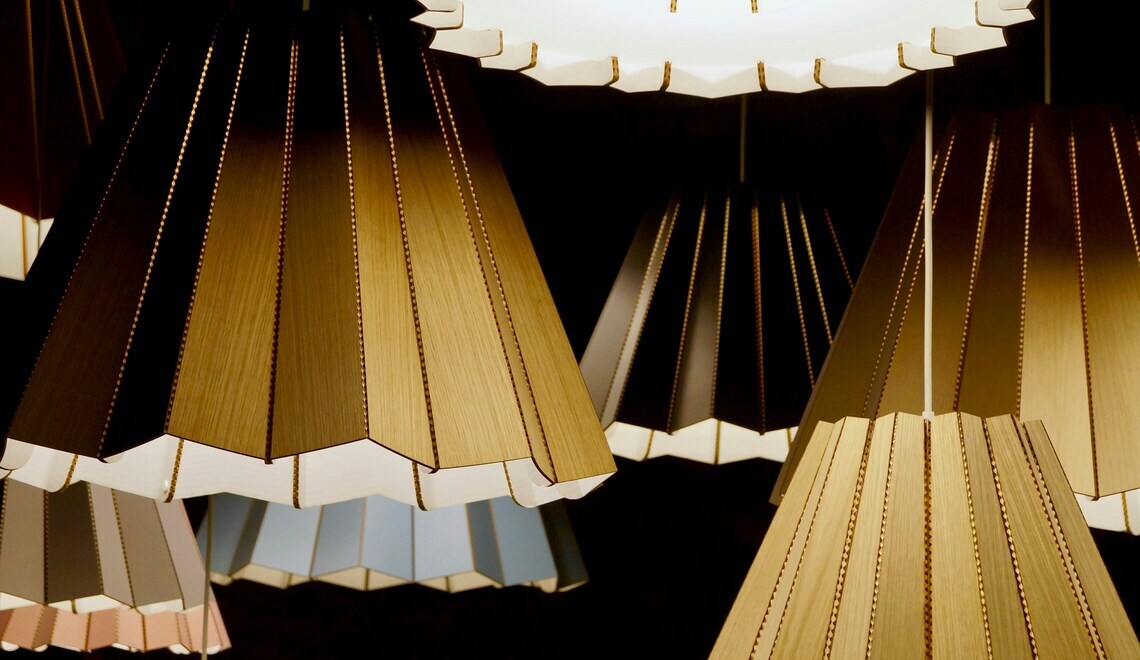
Patterned lampshades have the power to enliven any room with light & personality in a myriad of styles. Nonetheless, the material used for these shades is one of the most important factors affecting light diffusion, which directly affects both aesthetics and functionality. Recognizing the interplay of materials and light diffusion will help match the right lampshade with a lamp so that it creates the desired ambiance in a room.
Selection of Materials and Its Effects
Different materials used to produce the lampshades have different diffusion characteristics. Common building materials like fabric, glass, metal, and paper all have different qualities that affect light propagation in the room.
Fabric Lampshades
Compared with other materials, fabric is at the top of the list when it comes to lampshade options because of its flexible patterns. Soft textiles diffuse light and create a warm, just-the-right-kind-of-cozy feel. Different types of material let in different amounts of light depending on thickness and weave. While lighter materials allow for brighter light and a more lively atmosphere, denser fabrics will block more light and project a softer, more muted light.
Glass Lampshades
One of the most defining features of glass is the way it can play with light. Direct light is provided by transparent glass shapes, making them the best option for increasing the brightness of a space. Frosted or textured glass helps diffuse the light, providing a more even illumination, thereby minimizing glare and providing a more diffused ambient light. The glass color also changes the color of light, which provides another flavor and spirit to the room.
Metal Lampshades
For one, there is a unique kind of light diffusion with a metal shade. They are often somewhat opaque, so they tend to send light in one direction rather than filling a room, which can help create keys of interest throughout your space. Metallic shades contain patterns cut into the surface gradient that project sophisticated designs across the walls, bringing a dynamic artistic effect to the decor. These are perfect for dramatic and directional lighting.
Paper Lampshades
It gives the light a diffused quality like fabric, but a very different texture takes place because it’s white paper. Paper is also translucent, which makes it a good material to use if you want a faint glow that will contribute to a quiet and relaxing atmosphere. Light diffusion also differs from paper type to paper type, with some diffusing more light than others, so you can use different papers to create different environments.

Effect of the Pattern on Light Diffusion
The light distribution is also affected by patterns on the lampshade. Intricate designs can create highly detailed shadows, whereas simple design patterned lampshades for any room can provide more subtle effects. While geometric patterns present dynamic and fascinating visuals, floral designs breathe things a little more organic and soft. Different patterns can create entirely different vibes in a room.
Color and Light Interaction
Material and color have a strong influence on light scattering. Lighter colors reflect light more and thereby allow brighter light, while darker shades absorb more light and reduce brightness. The color of the fabric can also color the light to alter the color balance in the room and impact the visual harmony of the room. The right color will help create the atmosphere you want.
Choosing the Right Lampshade
When going for a lampshade, think about the kind of atmosphere you want it to create and how much light you need. Soft materials such as fabric or frosted glass are perfect for ambient lighting. Task lighting might be more directional with metal shades that direct light exactly where needed. Also, the matter of pattern and color should be in sync with the decor of the room for balanced and synced overall decor.
Maintaining Lampshade Quality
With proper maintenance, patterned lampshades have the potential to keep diffusing light over the long term. Regular cleaning also ensures that dust does not accumulate over time, which can dampen the light output and weaken the impact. Fabric shades need careful vacuuming or strenuous spot-cleaning to look and work great. Glass and metal shades are soothed simply by a damp, soapy cloth to remove smudges and dust, ensuring clarity and improved light diffusion.
Wrapping Up
With knowledge of how multiple materials and patterns influence light diffusion, leaders can choose lampshades wisely. They each provide distinctive features that can either soften a space with diffused light or dramatically with direct lighting. Material, pattern, and even color can play a significant role in organizing how well the rest of anyone is illuminated to style and meet the lighting needs of anyone with an area of their own. Lampshades can remain utility-based and visually appealing in any space through their careful selection and maintenance.
More to Love!
All the Unique Luxury Lighting Brands You Need to Know
5 Ways Flush Mount Lighting Can Enhance Small Spaces