SUBSCRIBE


What Is ‘Survivability’ in Probiotics?
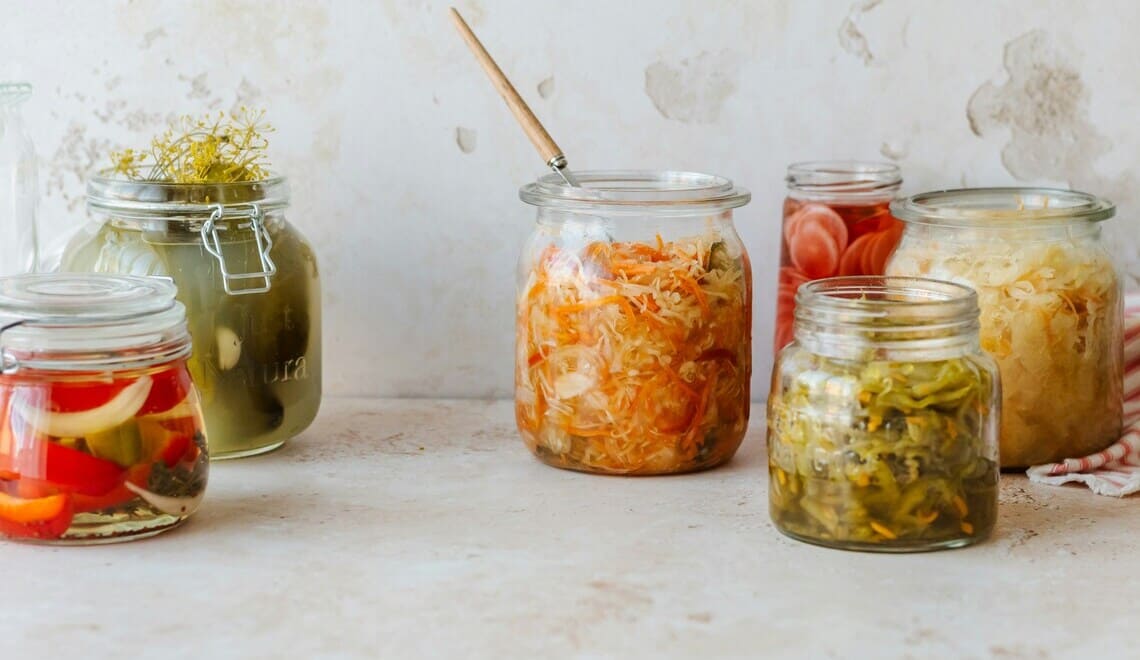
Probiotics are live microorganisms that provide health benefits when consumed in adequate amounts. These beneficial bacteria and yeasts help balance the gut microbiome, support digestion, and maintain a strong immune system. However, not all probiotics are created equal, and a key factor in their effectiveness is something called “survivability.”
Survivability refers to a probiotic’s ability to survive the harsh conditions of the digestive tract and reach the gut alive. This is especially important in probiotics for women, given that their specific health needs rely on effective strains that can endure digestion and provide real benefits. Understanding survivability helps consumers choose supplements that truly work.
Factors Affecting Probiotic Survivability
Probiotics face several challenges as they travel through the digestive system. The acidic environment of the stomach, digestive enzymes, and bile salts in the intestines can all destroy these beneficial microbes before they reach their destination. Different probiotic strains have varying levels of resistance to these conditions, which impacts their survivability.
What’s more, external factors such as storage temperature, humidity, and exposure to oxygen can affect the viability of probiotics in supplements. The method of delivery (whether capsules, powders, or fermented foods) also influences how well the probiotics survive to colonize the gut.
How Survivability Influences Probiotic Effectiveness
The health benefits of probiotics depend on their ability to reach the gut alive. Only those microorganisms that survive digestion can colonize the intestinal tract and interact with the body to promote digestive health, strengthen the immune system, and support overall wellness.
Probiotics with low survivability may not provide the expected effects because they do not reach the gut in sufficient numbers. For certain individuals, particularly women seeking targeted health support, selecting probiotic products with high survivability ensures they receive the full range of benefits these supplements can offer.
Measuring Survivability: Laboratory and Real-World Tests
Testing probiotic survivability involves both laboratory and real-world approaches. In vitro tests simulate the digestive process by exposing probiotics to acidic and enzymatic conditions similar to those in the stomach and intestines. These studies help determine which strains can endure harsh environments.
In vitro testing involves human or animal studies to observe how well probiotics survive and colonize the gut in actual biological systems. While lab tests provide initial insights, real-world studies are crucial to confirm that probiotics remain viable and effective after consumption, helping consumers trust product claims.
Choosing Probiotic Products With High Survivability
Selecting a probiotic with high survivability requires attention to several factors. Look for products that specify clinically studied strains known for their ability to withstand stomach acid and bile. The colony-forming unit (CFU) count at the time of expiration, not just at manufacture, is also important to ensure potency.
Formulations with protective technologies, such as enteric coatings or delayed-release capsules, help probiotics pass through the stomach intact. Also, buying from reputable brands that provide transparency about strain efficacy and survivability increases the likelihood of choosing an effective product.

Future Developments in Probiotic Survivability
Research continues to advance methods that improve probiotic survivability. New delivery systems, such as microencapsulation, are being developed to protect probiotics from digestive challenges. Scientists are also exploring genetically engineered strains designed to be more resilient in the gut environment.
These innovations aim to enhance the benefits of probiotics. As technology progresses, consumers can expect more effective probiotic supplements that better support gut health and overall wellness.
The Role of Diet and Lifestyle in Probiotic Survivability
While probiotic supplements play a crucial role in maintaining overall wellness, diet and lifestyle also impact how well probiotics survive and thrive in the gut. Consuming prebiotic-rich foods like fiber, garlic, and onions provides nourishment for probiotics, helping them establish a healthy microbiome.
Avoiding excessive alcohol, high sugar intake, and unnecessary antibiotics can protect beneficial bacteria from being destroyed. Staying hydrated and managing stress levels also contribute to a gut environment where probiotics can flourish. Combining supplements with a balanced lifestyle maximizes the chances of probiotic strains surviving and supporting overall health.
Probiotics for Women: Unique Survivability Needs
Women often seek probiotics tailored to their specific health concerns, such as urinary tract health, vaginal flora balance, and hormonal changes. These targeted probiotics require strains that survive the digestive tract and also reach and colonize the vaginal and urinary tracts effectively.
Survivability is even more critical in probiotics for women, so the microbes reach the necessary areas in sufficient numbers. Selecting products formulated with clinically tested strains and advanced delivery methods helps women gain the most benefit from their probiotic supplements.
Survivability: The Key to Probiotic Success
Survivability is the essential factor that determines whether probiotics deliver the health benefits they promise. From withstanding stomach acid to reaching the gut intact, only viable probiotics can support digestion, immunity, and specialized needs such as those in women’s health.
Understanding survivability empowers consumers to choose effective products backed by research and technology. When selecting probiotics, focusing on survivability ensures better results and promotes lasting wellness, making it the cornerstone of probiotic effectiveness.
Feature Image by Monika Grabkowska
More to Love!
Smart Healthcare for the Modern Luxury Lifestyle
Stay Fit While Traveling: Smart Strategies to Maintain Your Health and Energy on Vacation