SUBSCRIBE


The Full Guide to Choosing Glittering Crystals for Any Project
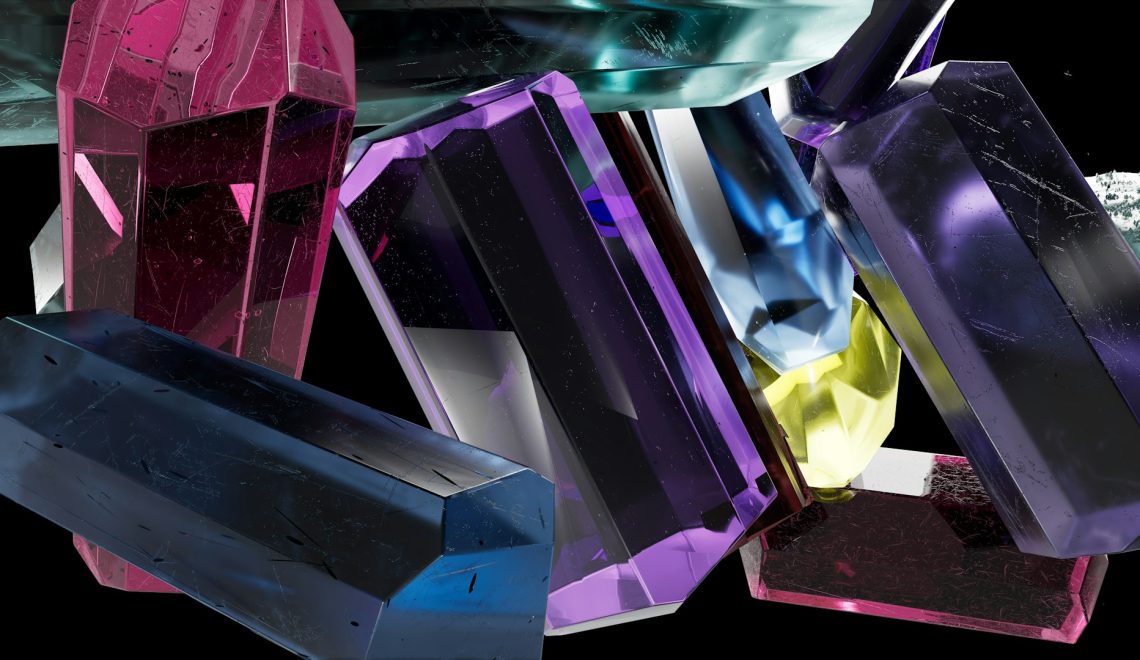
Whether you’re designing bespoke jewellery or customising a stage costume, the choice of crystals matters more than most people think. It’s easy to assume one crystal is as good as the next, but in practice, texture, cut, colour consistency and clarity can make or break the finished piece. A rhinestone that sparkles brilliantly under studio lights might fall flat in daylight. A shade of amethyst that looked perfect online could end up clashing with your chosen material in person. And durability, too, varies wildly depending on origin and finish.
Details like this might seem minor, but when you add them all up, they shape the entire experience of working with crystals.
What Actually Makes Crystals Different from One Another?
It’s tempting to lump all decorative crystals into one category, but doing so ignores just how much variation there is beneath the surface. There are glass rhinestones, natural gemstones, acrylic options, and of course, the highly precise Austrian crystals that professionals favour. Within those categories, there are vast differences in how crystals are cut, how they’re coated, and how well they perform.
Take the cut, for instance. Well-faceted crystals reflect and refract light evenly, creating the kind of brilliance people associate with luxury pieces. Poorly cut stones may look acceptable in a still image, but they tend to appear flat or dull in real-world use. Similarly, some crystals are coated only on the surface to create unique shades or effects. These can look stunning, but they are more vulnerable to scratching and wear. Others are coloured throughout, which usually makes them more resilient, even if the colour range is slightly more limited.
So, what you choose should depend heavily on what you’re making, how it will be used, and the level of permanence you need.
Where to Source High-quality Crystals
If you’re serious about consistency and quality, you need a supplier who understands the difference between novelty-grade and professional-standard crystals. The last thing you want is to fall in love with a specific tone or cut, only to find you can’t source it again when demand increases or your project evolves.
One reliable way to avoid that problem is by working with curated suppliers who specialise in precision-made crystals. If you’re searching for a full range of glittering crystals that offer clarity, depth of colour, and consistent quality across batches, it’s worth considering suppliers that work directly with renowned manufacturers like Swarovski. These suppliers don’t just stock the crystals; they usually provide in-depth knowledge, accurate sizing guides, and a more reliable inventory overall.
That kind of expertise makes a real difference, especially when working on time-sensitive commissions or coordinating colour schemes across large projects.

Choosing the Right Crystal for Your Purpose
Let’s say you’re embellishing a wedding dress. You’ll want something that sparkles under soft lighting, but also holds up well over time. In that case, flat-back crystals with foil coatings might be ideal, especially if you’re gluing them to fabric. On the other hand, if your project involves mobile parts or textiles that will bend and flex, you might prioritise durability and opt for smaller stones in deeper settings.
Not all projects are wearable, either. Crystal elements in home decor or installations often call for larger stones, bold colours, and UV-stable finishes. These are less about fine detail and more about impact. Some decorators even use mixed media techniques, blending glass, metal and crystal in ways that wouldn’t make sense in jewellery but work beautifully on a larger scale.
Colour selection, too, is often underestimated. Crystals come in hundreds of tones, but not all shades behave the same in different lights. Aurora Borealis finishes, for instance, are intensely iridescent and ideal for dramatic pieces. But they can overwhelm a softer palette or clash with certain fabrics. Subtler options like Silk or Vintage Rose provide warmth without taking over visually.
Common Pitfalls to Avoid When Using Crystals
Buying too much of the wrong crystal is more common than you’d think. People tend to get excited by colour charts, order in bulk, and then realise mid-project that their initial plan doesn’t hold up. Crystals are expensive. Overcommitting early often leads to waste or rework.
Another frequent mistake is mixing crystal brands without doing a side-by-side comparison. Even if the colour codes look identical, different manufacturers may vary slightly in finish, backing, or light refraction. Those differences might not be obvious until it’s too late to fix them.
Lastly, adhesives are often an afterthought, but they really shouldn’t be. The wrong glue can dull a brilliant crystal or cause it to lift after just a few wears. Test your method, especially when working with fabrics or plastics. Drying time, flexibility and transparency all make a difference.
Wrapping Up
Working with crystals is as much about understanding the material as it is about creativity. A well-chosen crystal can elevate a piece from ordinary to extraordinary, but only if it fits the context, purpose, and design goals. The safest route? Choose quality over quantity, test before you commit, and source from suppliers who specialise in the kind of pieces you actually want to make.
After all, these aren’t just embellishments. They’re part of the story your work tells.
More to Love!
The Science Behind Gold Jewelry Turning Black and How to Fix It
Behind the Seams: The Evolution of Textile Printing Techniques