SUBSCRIBE


Oasis On the Edge Designing the Exteriors of Dubai’s Most Iconic Luxury Homes
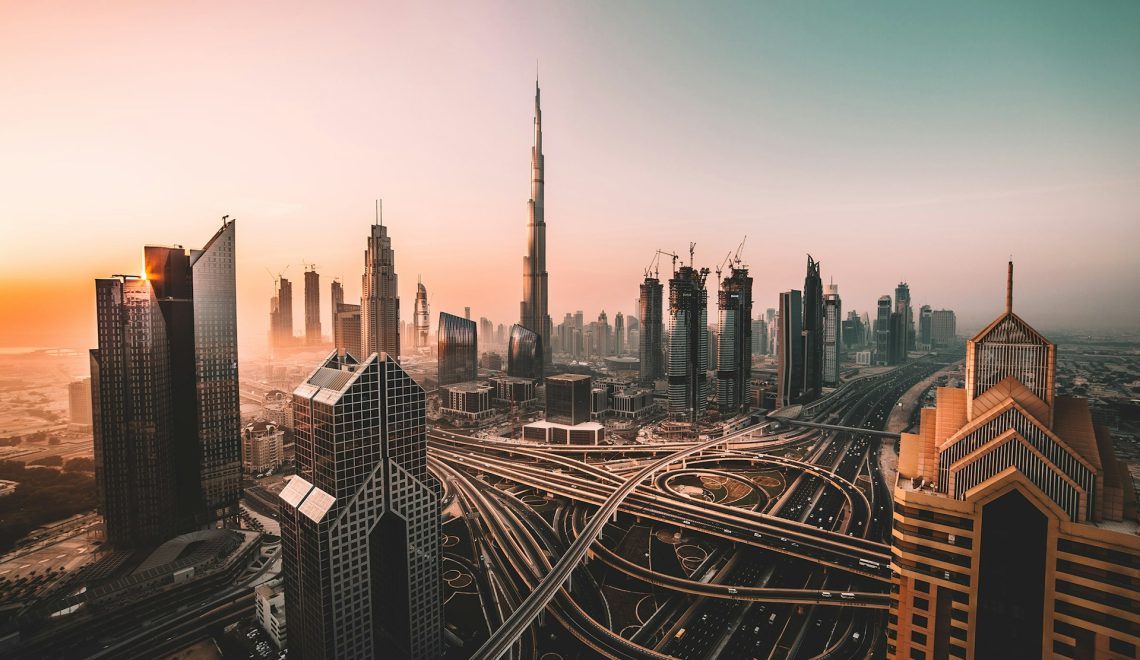
Dubai’s skyline is a spectacle of glass, steel, and ambitious design, where luxury living isn’t confined to interiors alone. In the world’s most architecturally daring city, the exteriors of luxury homes have become a statement—fusing desert resilience with coastal elegance and futuristic ambition. But beyond aesthetics, these properties serve as smart investment vehicles, attracting high-net-worth individuals and international buyers alike.
From the glittering towers of Dubai Marina to the waterfront villas of Palm Jumeirah, exterior design plays a pivotal role in market appeal, long-term value, and owner satisfaction. Here’s how Dubai’s most iconic homes are shaping luxury—starting with the investment logic behind them.
Investment Properties In Dubai: Where Design Meets Capital Growth
Dubai’s luxury real estate isn’t just about glamorous visuals—it’s a meticulously engineered asset class tailored for global investors seeking returns on investment properties in Dubai, residency, and prestige.
Prime Real Estate As A Financial Tool
Dubai’s property market has matured into a regulated, investor-friendly ecosystem with clear ROI metrics, strong rental yields, and tax advantages. In areas like Downtown Dubai, Palm Jumeirah, and Dubai Hills, luxury homes often appreciate faster than standard developments, particularly when exterior aesthetics elevate market demand. Architectural landmarks like the One at Palm Jumeirah, with its dramatic terracing and private beach access, are not just homes—they’re long-term financial vehicles.
These properties enjoy gross rental yields of 5–8%, a high figure compared to global luxury markets like London (2–4%) or Hong Kong (1.5–3%). The added benefit of no annual property taxes or capital gains tax makes Dubai particularly attractive for portfolio diversification.

The Role Of Exterior Appeal In Property Valuation
Exterior design directly influences a property’s perceived and actual value. In Dubai, developments that integrate biophilic landscaping, curated lighting, and iconic façades tend to outperform generic builds in terms of both rental interest and resale value. Developers understand that for buyers spending AED 20 million or more, a bold silhouette and curated frontage are essential. Landscaping by desert-native flora or coral-stone water features become part of the investment calculus.
For instance, Dubai Hills’ mansions feature panoramic terraces and courtyard gardens designed not just for beauty but also for privacy, a critical differentiator in high-end market segments.
Sculpted By Climate: Architectural Responses To Desert Living
In Dubai’s extreme climate—where summer temperatures soar past 45°C—exterior design is more than aesthetic; it’s a science of adaptation. Iconic homes blend style with sustainability, durability, and function.
Shading Systems And Solar Intelligence
Dubai’s luxury villas increasingly feature integrated shading systems—overhangs, pergolas, and cantilevered façades—that reduce direct sunlight and enhance passive cooling. Dynamic louver systems and electrochromic glass respond to daylight, minimizing solar gain while preserving the dramatic floor-to-ceiling views that define modern Dubai architecture. Some homes even integrate rooftop solar tiles seamlessly into their structure, balancing design and energy generation.
Designers are also pushing the envelope with responsive architecture. For instance, some private residences in Al Barari employ kinetic panels that open or close depending on sun exposure, optimizing interior temperatures without compromising the striking modernist profiles.
Cooling Materials And Façade Textures
The choice of exterior materials—travertine, high-albedo stucco, composite marble—impacts not just looks but thermal performance. Façade design often incorporates textured surfaces that disrupt direct solar radiation, while light color palettes reflect heat. Courtyards and internal patios, deeply rooted in Islamic design traditions, are making a return in contemporary builds to promote airflow and shade, creating cool microclimates.
Exterior walls are often double-skinned in ultra-luxury homes, creating air gaps that reduce heat ingress. Water features strategically placed at entranceways or in garden zones further help temper ambient temperatures—especially when aligned with prevailing wind directions.
Landscaping As Art: Desert Meets Garden In Luxe Proportions
Dubai’s desert setting challenges and inspires landscape designers to craft outdoor environments that are opulent yet sustainable—balancing water conservation with visual drama.
Desertscape Meets Luxury Garden
Rather than traditional lawns, high-end homes increasingly embrace “desertscaping”—a method using native and adaptive plants like ghaf trees, bougainvillea, and desert grasses to reduce water needs and maintenance. This technique not only supports sustainability goals but also reinforces the region’s natural beauty.
Luxury properties often blend this arid palette with curated garden features: shaded daybeds, infinity-edge pools, sunken lounges, and outdoor dining pergolas. Each element is designed with the user experience in mind—celebrating outdoor living even in a climate where temperatures can be extreme.
Private Pools, Water Walls, And Exterior Ambience
Water plays a central role in Dubai exterior design. Not just for cooling but as a visual and acoustic experience. Reflecting pools, cascading water walls, and geometric fountains provide dynamic movement that contrasts with the stillness of desert landscaping. These installations often use recycled or desalinated water and are illuminated with custom lighting schemes for nighttime ambiance.
In homes like those at Jumeirah Bay Island, pools wrap around indoor living areas or spill over into the sea, creating a seamless transition between interior opulence and exterior serenity.
Cultural Fusion: Global Architecture With Regional Roots
Dubai’s architectural expression is globally fluent yet regionally grounded. Luxury home exteriors often draw from Islamic geometry, Bedouin structures, and Gulf color palettes, fused with modern materials and international influences.

Geometric Patterns And Local Identity
Arabesque patterns, mashrabiya-inspired screens, and sandstone hues are commonly reimagined in high-end homes. These motifs provide privacy, ventilation, and visual identity. For instance, in projects like District One, laser-cut aluminum panels double as design features and functional shading devices—merging heritage with innovation.
Modernist villas may reference the tents of nomadic tribes through tensile structures, or use wind-tower-inspired ventilation features, honoring the past without reverting to mimicry.
Cross-Cultural Architect Collaboration
Top luxury properties are often designed by global firms collaborating with regional experts. This fusion produces homes that are livable for international buyers but still feel rooted in Emirati culture. In areas like Dubai Creek Harbour, you’ll find Scandinavian minimalism paired with Arabian archways, or Japanese zen gardens bordering traditional majlis seating areas.
It’s a multicultural design dialogue that speaks to Dubai’s role as a global crossroads—and elevates the city’s luxury homes into icons that transcend time zones and traditions.
Wrapping Up
In Dubai, luxury home exteriors aren’t simply walls—they’re expressions of vision, vehicles of wealth, and testaments to cultural and environmental intelligence. As the city continues to push boundaries in architecture and design, it’s clear that the exterior of a home isn’t the edge—it’s the beginning.
Feature Image by David Rodrigo
More to Love!
Why Dubai Leads In Luxury Interior Design
Dubai for Design Lovers, An LH Luxury City Guide