SUBSCRIBE


Decoding Wine Glasses: Why Shape Matters More Than You Think
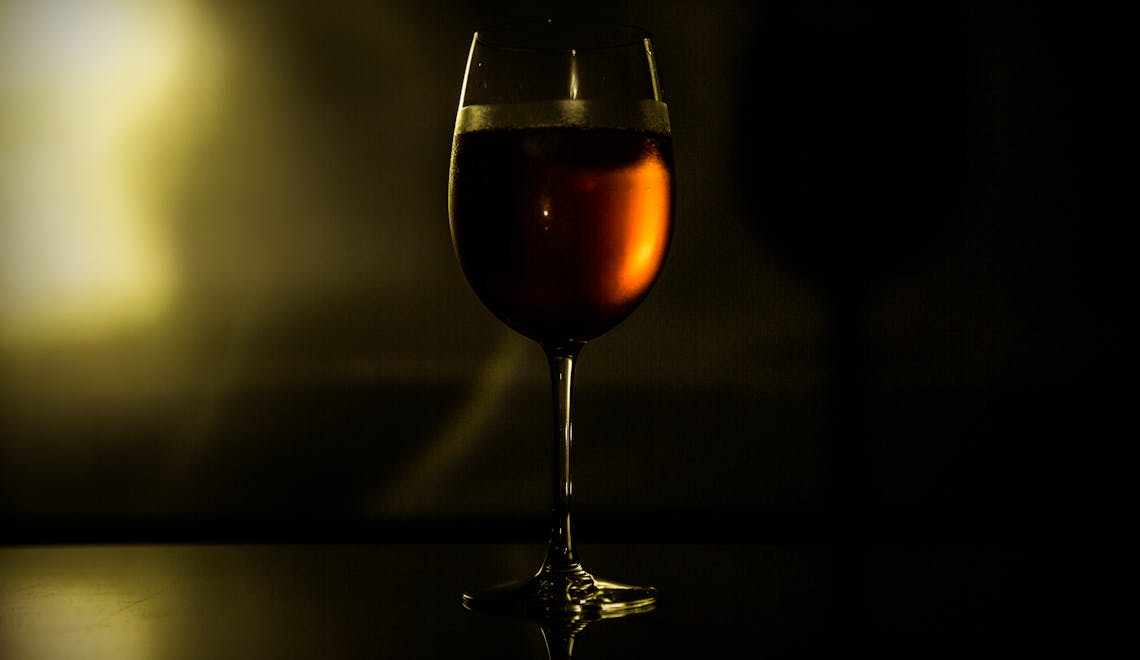
Imagine a perfect evening. A bottle of cherished wine stands breathing on the counter, its deep color promising a story in every sip.
You select a glass, pour a measure, and settle in. But as you lift it to your lips, consider the vessel itself. Is it merely a container, or is it an instrument finely tuned to elevate the experience? The shape of your wine glass is a critical, yet often overlooked, component of tasting, designed not for aesthetics alone but to amplify aroma and perfect flavor.
The right glass acts as a key, unlocking the intricate potential locked within the wine. It channels the bouquet, guides the liquid onto your palate, and transforms a simple drink into a full sensory event.
Let’s explore the deliberate science behind wine glass design, empowering you to choose the perfect shape and elevate your own appreciation for every bottle.
Wine Racks: The First Step in Enjoying Every Glass
Before the wine even reaches your glass, proper storage plays a critical role in preserving its quality. A well-designed wine rack keeps bottles at the correct angle to keep corks moist, shields them from light exposure, and helps maintain a consistent environment. Beyond function, racks also create an organized, elegant display that turns a collection into part of the home experience.
Choosing the right wine rack ensures that every bottle is protected until it is ready to be opened, making it the quiet partner to your glassware in elevating the entire ritual of wine.
The Anatomy of a Perfect Wine Glass
Every classic wine glass is an object of intentional design, composed of four distinct parts that work in harmony: the rim, the bowl, the stem, and the foot. Each element serves a specific, crucial function that has been refined over centuries of oenological study.
The foot provides a stable base, the simple foundation for everything above. From it rises the stem, the elegant handle that serves a vital thermal purpose. By holding the glass by its stem, you prevent the warmth of your hand from altering the wine’s carefully achieved temperature, which is especially important for chilled whites and rosés.
The bowl is the heart of the glass, its specific volume and curvature engineered to suit a particular style of wine. Finally, the rim is the point of delivery. Its thinness offers an uninhibited flow, while its diameter helps determine where the wine first lands on your tongue, shaping your initial perception of its taste profile.
This functional quartet is best rendered in clear, unadorned crystal or glass. Color, texture, and engravings, while potentially beautiful, obstruct the view and prevent you from fully appreciating the wine’s hue and clarity, which are the first clues to its character.
How Shape Dictates Sensation: Aroma and Flavor
The profound influence of a glass on wine is rooted in simple physics. Wine is a complex solution containing hundreds of aromatic compounds that, when exposed to air, begin to evaporate in a process called volatilization. This is how a wine’s bouquet is released.
The shape of the bowl is the master controller of this process. A wider bowl creates a larger surface area, increasing the rate of evaporation and allowing more aromatic compounds to escape and mingle with the air.
A tapered shape that narrows toward the top then captures and concentrates this bouquet, funneling it directly toward your nose as you take a sip. This is why a full-bodied red wine served in a glass with a generous bowl smells so much more expressive than it would in a narrow tumbler. It is given the space it needs to breathe and perform.
Beyond aroma, the glass dictates the delivery of flavor. The width of the rim directs the flow of wine onto your palate in a very specific way. A narrow opening encourages you to tilt your head back, delivering the wine to the center of your tongue, while a wider rim spreads the liquid across a broader area.
This initial placement influences which taste receptors are engaged first, allowing the glass to accentuate a wine’s inherent qualities, be it the bright acidity of a Sauvignon Blanc or the rich fruit of a Malbec.
A Sommelier’s Guide to Essential Glass Types
While countless variations exist, the world of wine glassware is built upon a few essential, time-tested silhouettes. Understanding these core shapes provides a foundation for pairing the perfect vessel with any vintage.
Bold Red Wines (Bordeaux Glass)
For powerful, full-bodied red wines like Cabernet Sauvignon, Merlot, and Bordeaux blends, a tall glass with a large bowl is ideal. The generous size allows for vigorous swirling, which aerates the wine and helps soften its prominent tannins.
The height of the glass creates distance between the wine and your nose, allowing the complex aromas to unfold gradually rather than overwhelming the senses.

Delicate Red Wines (Burgundy Glass)
Aromatic and nuanced red wines such as Pinot Noir, Nebbiolo, and Gamay flourish in a Burgundy glass. Its signature feature is an exceptionally wide, balloon-shaped bowl that tapers to a relatively narrow rim. This design maximizes the surface area to coax out the wine’s delicate and complex aromas.
The tapered opening then captures every subtle note of earth, spice, and red fruit, delivering a concentrated and immersive aromatic experience before you even take a sip.
White Wines & Rosé (Tulip Glass)
Crisp white wines and rosés are best served in glasses with a smaller, U-shaped bowl. This more compact design helps preserve the wine’s cooler serving temperature and maintains its fresh, vibrant character. The slightly smaller surface area also keeps the more subtle floral and citrus aromas from dissipating too quickly.
Many white wine glasses feature a slightly flared lip, which directs the wine toward the tip of the tongue to emphasize its fruitiness and balanced sweetness.
Sparkling Wines (Flute or Tulip)
The celebratory nature of sparkling wines like Champagne, Prosecco, and Cava is preserved by a tall, slender glass. The classic flute, with its narrow profile, minimizes the wine’s surface area to slow the dissipation of carbonation, keeping the bubbles lively for longer.
The long, elegant shape also showcases the beautiful stream of bubbles, known as the perlage, as it rises through the liquid.
Putting It to the Test: The Practical Side of Glassware
Does a true appreciation of wine require a cabinet overflowing with dozens of specialized glasses? For most enthusiasts, the answer is no. The goal is not to own every possible shape, but to understand the principles and make intentional choices.
To witness the difference yourself, try a simple experiment. Pour the same red wine into a proper Bordeaux glass and a standard water tumbler. Swirl and smell each one. Sip from each one. The wine in the Bordeaux glass will invariably present a more vibrant, complex aroma and a smoother, more balanced taste. The tumbler, by contrast, will likely mute the bouquet and emphasize the alcohol.
For those beginning to build a collection, starting with a high-quality “universal” glass is an excellent choice. These are designed with a moderately sized bowl and a gentle taper, making them versatile enough to perform well with both red and white wines. From there, you can add specialized shapes as your passion and palate develop.
Great wine deserves great care, from the glass it’s served in to the place it’s stored. Exploring proper wine rack solutions[/link] ensures every bottle is perfectly preserved until it’s ready to be enjoyed.
Conclusion: Elevate Your Everyday Wine Experience
Ultimately, the right wine glass is not a matter of etiquette or pretense. It is a functional tool engineered to enhance pleasure.
By understanding how shape influences scent and taste, any wine lover can unlock a deeper, more rewarding dimension in every bottle. So next time you pour a glass, take a moment to consider its form. You may just discover a new level of enjoyment, transforming a simple act into a truly elevated experience.
Feature Image by Markus Spiske
More to Love!
Host the Perfect Wine Tasting at Home
Maintain the Perfect Pour: Premium Wine Cooler Care for the Modern Connoisseur