SUBSCRIBE


When Is Senior Home Care the Right Choice?
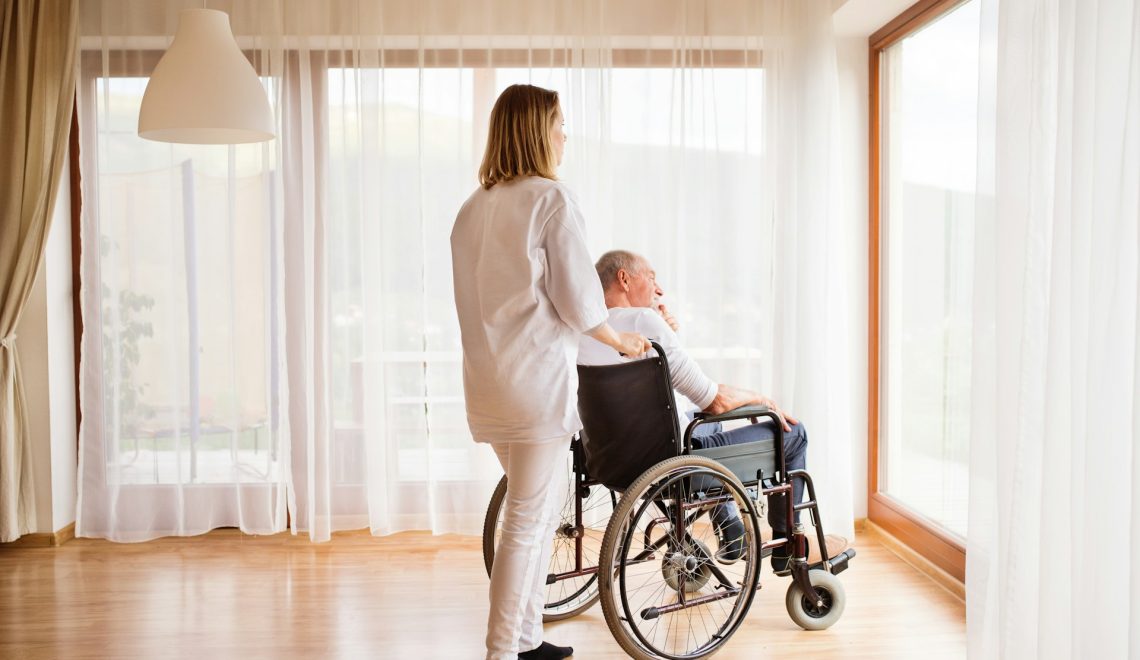
Finding the right type of support for elderly loved ones is a complex decision. A lot of people ask if home care is best for their loved ones. By noting the signs that indicate it’s time for home care, families may be able to make informed decisions about their care. In this post, we cover the signs that tell you it might be best to soften the blow as well as the good and not-so-good aspects to consider to help you with this important choice.
Identifying Signs That Help Is Needed
Older adults may experience loss in their abilities to manage their day-to-day routines. If cooking, cleaning, or remembering medication schedules is becoming a challenge, it could be time to ask for a little more assistance. With an elderly person, family members often notice more forgetfulness or confusion, which will even threaten safety. People are often worried about someone not being able to get up after a fall, not eating, or not taking care of themselves. Thus, making a decision to opt for senior home care in Bellingham.
Balancing Independence and Safety
Independence is something that seniors yearn for. But if one or more physical or mental limits develop, safety becomes harder to achieve. Home care enables older adults to remain at home in comfortable surroundings, where care can also be readily provided. This makes it easier to keep some degree of independence, which is beneficial for mental health. Many families appreciate that their family member gets the individual attention they require without needing to relocate.
Physical Health Changes
Chronic conditions or recent hospitalization can also contribute to vulnerability. Mobility is a hurdle for some people that hinders them from moving even a single step without assistance. The long-term consequences of pain, weakness, or balance issues increase the likelihood of a risky scenario. Caregivers can help you with things such as mobility, reminding you of your medication, and personal hygiene tasks. Having them around can save you from mishaps and will help you manage the symptoms better compared to family members who visit only once in a while.
Cognitive Shifts and Memory Concerns
If an older adult has memory loss or some signs of confusion, it could jeopardize their safety. Early signs of cognitive decline are often asked directly: missed appointments, missing items, or repeated questions. Home care providers provide reminders, companionship, and supervision to reduce confusion. They assist clients in keeping routines, so as to delay additional memory problems. Family members, who might otherwise experience stress, greatly benefit from that reassurance.

Social Isolation and Emotional Well-Being
Feeling lonely can have an effect on both physical and emotional health. When seniors are alone almost all the time, it can cause depression, anxiety, or disinterest in things that they once loved. Home care professionals provide companionship and conversation, breaking the cycle of isolation. Having someone around makes it easier to engage with your interests and be social, and this can help improve your mood and motivation.
Family Caregiver Challenges
Family caregivers usually face considerable demands when caring for an older loved one. The balance between juggling work, taking care of family, and looking after their patients can add stress or burnout. Home care significantly lightens the burden by sharing duties typically performed by family. Families also find peace of mind knowing that their loved one is receiving reliable assistance with all their needs when they are unable to be there themselves.
Customizing Care to Individual Needs
No two people need the same support. Home care services are flexible. They can be tailored to individual needs, health status, and timelines. While some seniors only need a few hours of assistance a week, others need daily help. This flexibility enables families to increase or decrease service usage based on their needs at the time. This approach allows care to be situation-specific.
Wrapping Up
Senior home care is a measured approach in adapting to new stages of life. Identifying early-stage clues, factoring in the desire for autonomy, and understanding available assistance allows families to make knowledgeable choices. The combination of safety, well-being, and comfort in the domicile enables aged fellows to live in their environment with excellence. Carefully coordinated efforts enable families to give their loved ones the required care with the help of compassionate and appropriate assistance.
More to Love!
Luxury Self-Care for Women Caring for Aging Parents
4 Things to Consider When Planning Your Retirement