SUBSCRIBE


How to Practice Trauma-Informed Interior Design
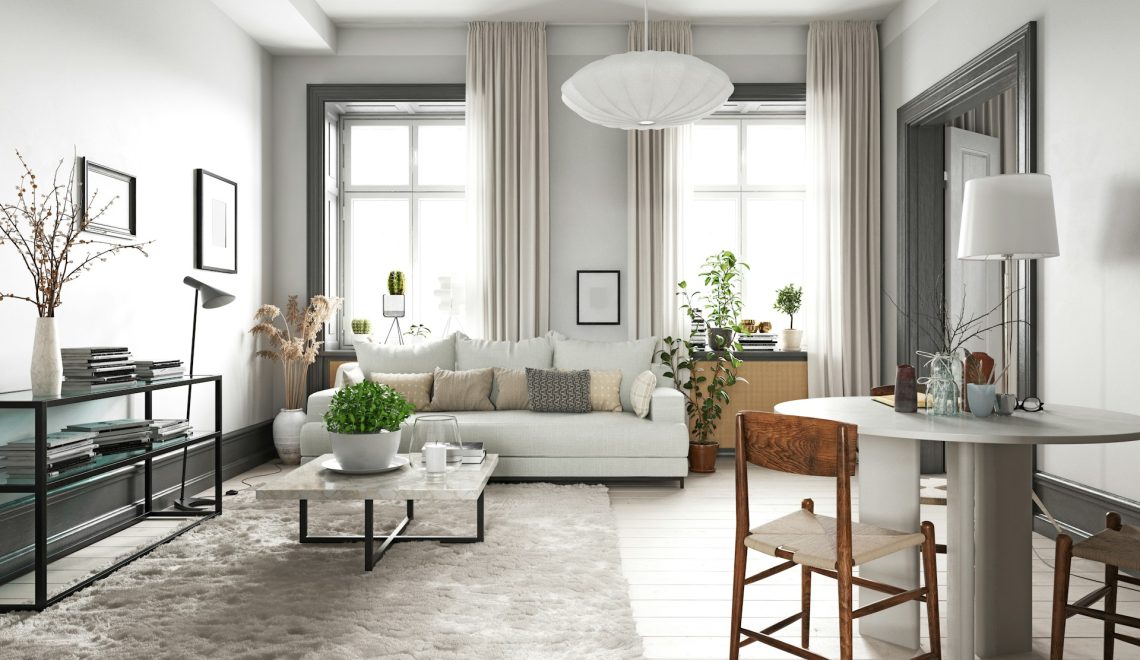
Trauma-informed approaches have expanded to almost every profession, from medical care to law. Modern society now realizes that trauma comes in many forms, and it has deep impacts on every aspect of a person’s life.
Nothing could be more crucial than trauma-informed interior design, as our homes and offices are where we spend much of our time. Incorporating a trauma-informed mindset into design choices provides clients with both literal and figurative space to heal, complementing their therapy and inner work. This article explores how interior designers can be more mindful of trauma and develop nurturing spaces.
Get to Know the Client’s History First
Interior designers naturally prioritize questions that seem most pertinent to their work, such as whether a client prefers modern or traditional design and what color palettes they like. However, this may not uncover deeper needs, such as to avoid unpleasant reminders of certain places or disliking closely packed designs.
The problem is that clients may not raise this history themselves because they don’t consider it relevant. Instead, they reject certain design choices after the fact without fully understanding why they’re reacting so strongly.
While not every trauma trigger can be avoided, asking the right questions can help guide the client to disclose what they feel comfortable sharing. A deeper understanding of the client’s background can be strengthened by incorporating trauma-informed approaches, which ensure the design process respects emotional safety and supports long-term healing. For example, a designer can ask whether they prefer open spaces or something more closed-off, with each room having a specific theme and separated by purpose.
Key phrases, like “Do blind corners make you uncomfortable?” or “Does being able to see the whole room make you feel safer?” can spark conversation and encourage the client to share their dislikes.
Build Control and Adjustability Into the Design
Trauma is deeply entwined with loss of control, as it typically arises from acts of violence or accidents where the survivor was helpless. This is particularly true for childhood abuse, as children already have less autonomy than adults.
Interior designers can offer their clients a sense of control at every step of the process. This often works best by providing a few different choices to encourage discussion, then drilling down to more specific elements step by step. The goal is not to flood the client with details, but to lock in each part one at a time.
However, the suggestions matter. Even small details, like adjustable lighting or a modular design, empower clients to control their environment, whether that is easily moving a couch or deciding how bright a room should be.
New technologies, such as smart home systems, let clients manage every aspect of the home from a single app or control pad, which can foster psychological safety.

For Some Survivors, Color Is Restorative
Society as a whole is coming to understand that institutions often perpetrate significant harm. For example, oversight concerns at residential care facilities have revealed widespread abuse at places like Casa San Diego, a temporary holding facility for unaccompanied minors.
Institutionalized interior design prioritizes neutrals, minimalism, bare surfaces, and metals. These are often present in modern residential interior design as well, which can cause significant distress for those with certain backgrounds. A survivor of institutional abuse will want to avoid any reminder of this setting, making it essential that interior designers ask the right questions when working with clients.
Designers should be willing to experiment with color rather than defaulting to neutrals. Soothing blues, bright greens, and playful warm hues can all remind the survivor that they are in a space of their own making. Incorporating soft textures, like plush couches and warm knitted blankets, also reinforces that this is a home, not a care facility or prison.
Natural Materials Are Grounding
Rebecca Pogonitz, owner and founder of GOGO Design Group, recently spoke about her interior design choices for an empty-nester couple with a history of trauma. This project strongly prioritized natural materials, including grooved wood paneling in the great room and three finishes for the kitchen cabinets. As she noted, this created a sanctuary for the couple, who then “could feel comfortable and at peace in their new life together.”
Through incorporating different natural textures, interior designers help reconnect clients with the earth, an innately grounding and restorative experience.
Natural materials can appear in a range of design options, from hardwood floors to marble countertops. Rustic-edged kitchen tables provide clients with something tactile to hold when they are stressed, while the coolness of a slate floor can offer respite in stressful moments.
Interior Design Can Be Both Healing and Satisfying
Trends may come and go, but a client’s sense of peace should be enduring. Trauma survivors seeking to build their own sanctuary may be overwhelmed by their many choices; they may struggle to make decisions, which is where trauma-informed interior design truly shines. An empathetic designer who is familiar with these challenges can gently guide their clients toward choices that empower, restore, and reaffirm safety.
More to Love!
Paintings and Artwork in Modern Interior Design
Why Dubai Leads in Luxury Interior Design: Insights for Your Dream Home