SUBSCRIBE


Timeless vs. Trendsetting: The Architectural Styles Defining Modern Luxury Homes
Luxury homes do not just look expensive. They last. The tricky part is that “timeless” and “trendsetting” aren’t labels you can slap on a style and call it a day. A home can be classic on the outside and very current inside. Or it can be modern and still age well if the design choices are calm rather than gimmicky. What you’re really choosing is the kind of story your home tells, and whether that story holds its value when tastes shift.
1. The Practical Difference Between Timeless and Trend-driven
A timeless home usually has a few quiet advantages. The shape feels balanced. The materials look better with wear, not worse. And the layout still makes sense when your life changes.
Trend-driven homes often lean hard on a “look.” Sometimes that’s fine. Sometimes it’s even smart if the market you’re in loves bold design. But if the house depends on one very specific finish, an extreme shape, or a dramatic feature that’s hard to maintain, it can start feeling dated faster than you’d like.
Timeless choices still look good when you remove the styling. Trend choices often need the styling to carry them. A quick gut check helps. If the styling disappeared tomorrow, would the architecture still hold up?
2. French Country: Elegant, Collected, and Quietly Expensive
French Country is one of the safer long-term bets in luxury because it reads as established. It feels like the home has roots, even if it’s brand new.
You’ll usually see steep roofs, warm stone or stucco, arched openings, and that “collected” feeling in the way the forms come together. It’s not about perfect symmetry. Many French Country homes are a little relaxed in how the shapes come together. What matters is that it still feels cohesive, like every piece belongs.
Resale-wise, it’s hard to go wrong because the appeal is broad. Traditional buyers love the romance. Modern-leaning buyers often like it too, especially when the interiors are cleaner and lighter.
3. Mediterranean: Timeless When it Fits the Place, Awkward When it Doesn’t
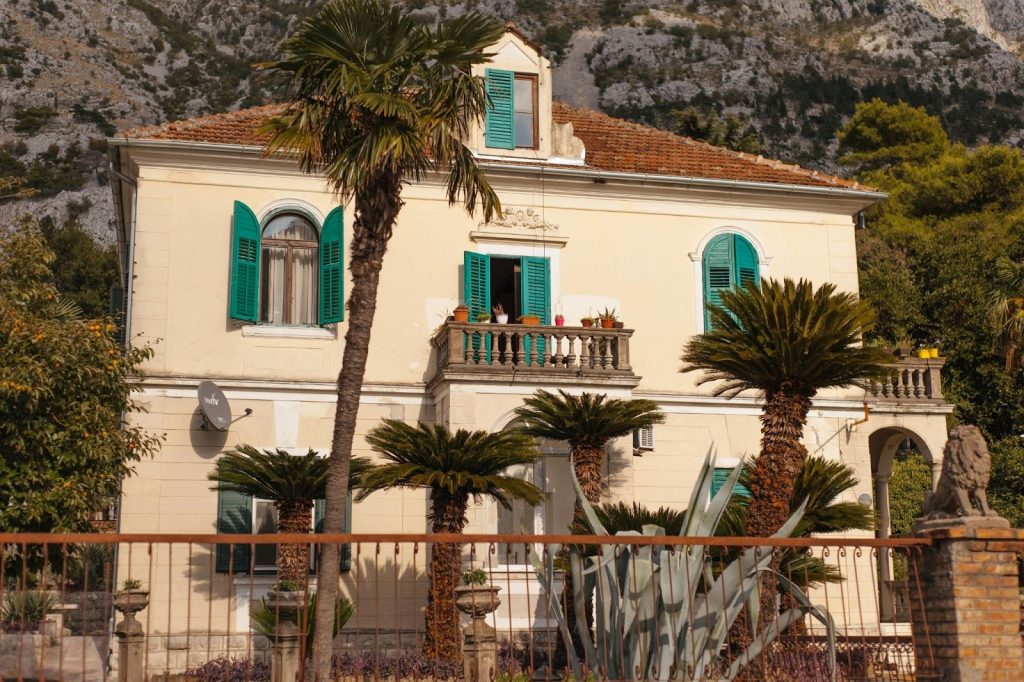
Mediterranean homes can feel like a private resort. When the climate and location support it, the style is both beautiful and practical. The architecture works with heat and light instead of fighting it. That is when the look feels timeless and expensive.
The trouble is forcing it into a context that fights it. In cooler regions or neighborhoods where everything else looks completely different, the Mediterranean can start to feel themed. If you love the vibe but want it to stay relevant, keep it refined. Cleaner arches. Simpler rooflines. Less “ornament for ornament’s sake.” Let proportion and materials do the flexing.
Browsing current listings is an easy way to see how style and setting interact. In warm, coastal markets, you can compare Mediterranean, contemporary, and transitional examples side by side by exploring new luxury developments in Miami, then judge which architectural details, amenities, and finishes feel timeless versus trend-reliant within thoughtfully planned communities.
4. Contemporary: Timeless When it’s Warm and Livable, Trendy When it’s Cold and Rigid
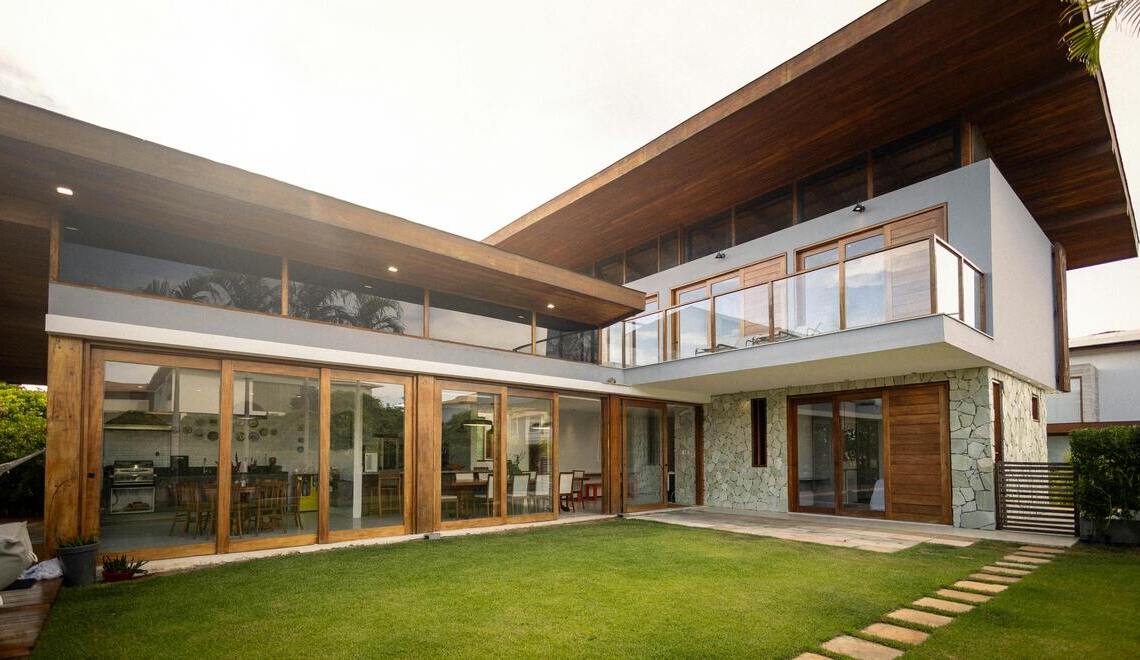
Contemporary luxury homes are defined by clean lines, big windows, open layouts, and a strong indoor-outdoor connection. When done well, they feel effortless. The light is the decoration. The views become part of the design.
When done poorly, they can feel cold or impractical, like you are living in a showroom.
This is where warmth makes all the difference. Texture. Natural stone. Wood. Even the way you handle privacy and sun control can shift the whole vibe from harsh to calm.
Modern house plans also tend to lean into flexible spaces and clean flow, which is great for modern living and often great for resale. But modern luxury today isn’t just about looks. Comfort and tech are part of the package.
If you’re going contemporary, it’s smart to plan for things like smart lighting, efficient glazing, and shading that keeps those big windows gorgeous without making the home feel exposed or difficult to cool. Those are the details that keep modern homes feeling good years later.
5. Transitional: The Blend That Stays Popular Because it Doesn’t Pick Fights
Transitional is one of those words people throw around, so here’s the clean version. It’s most often talked about as a design language, especially inside the home, because it blends traditional warmth with modern simplicity. But you do see it in architecture too, usually through familiar shapes that are simplified, cleaner detailing, and a calmer overall look.
That’s why it does so well in luxury. It feels current without feeling trendy. It feels comfortable without feeling heavy.
From a resale angle, it’s a strong middle ground. It rarely polarizes buyers. Traditional-leaning people feel at home. Modern-leaning people don’t feel like they’re buying something stuck in the past. And you get room to make the interior feel like you, without the exterior forcing you into a narrow lane.
6. Modern Farmhouse: Still Lovable, But the Luxury Version has to be Subtle
Modern Farmhouse got popular because it feels welcoming. It’s bright, and cozy, and even if you’re walking in for the first time, it reads as “home.”
The downside is they are everywhere, which is exactly why it can be risky. When a style becomes widely copied, the lower-quality versions start to shape how people feel about it.
That does not mean you should avoid it. It just means the luxury version needs restraint. The best modern farmhouse homes focus on clean gables, solid natural materials, and a warm, livable layout. They skip the overly literal “farm” details that feel like decoration rather than architecture.
If you want it to hold up long term, treat it as a modern home with classic simplicity, not a costume. Done right, it feels welcoming and expensive in a quiet way.
7. Neoclassical and Georgian-Inspired: Instant Status, Built on Proportion
If you want a home that signals prestige immediately, classic formal architecture does that. Georgian-inspired and Neoclassical homes often lean on symmetry, strong proportions, and a sense of order.
They can also do well long-term in markets where traditional luxury sells, especially in neighborhoods where people expect that kind of presence.
The caution is livability. If the layout is too rigid or the scale is too inflated, the home can feel stiff. The strongest versions balance the classic exterior with an interior plan that actually works for modern life. If you keep the bones elegant but avoid pointless grandeur, you end up with a home that still feels relevant.
8. Minimalist Modern: Gorgeous, But You Have to Plan for Wear and Upkeep
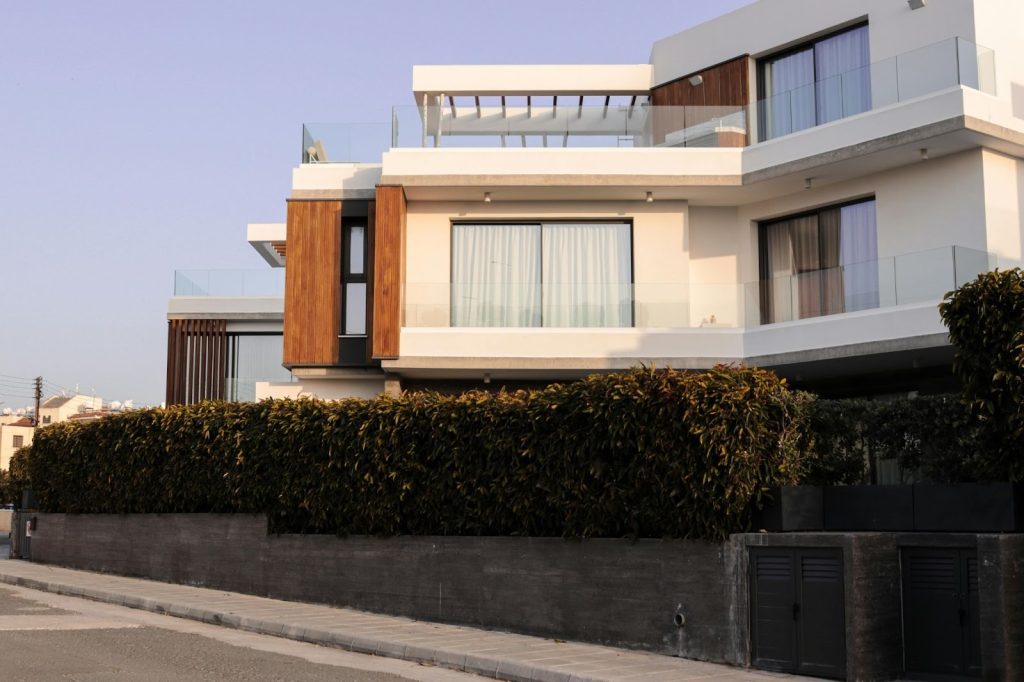
Minimalist modern homes can be stunning. Crisp forms. Clean surfaces. Fewer decorative details. Lots of light. It’s a whole mood.
It can also be unforgiving. Smooth, uninterrupted finishes can show wear faster if the materials aren’t chosen carefully. That doesn’t mean you should avoid the style. It just means you should invest in the right surfaces, inside and out, so the home stays sharp without needing constant babysitting.
Texture helps too. Stone, wood, matte finishes, anything that brings a little softness. When minimalist modern has warmth, it stops feeling like a trend and starts feeling like a timeless style.
How to Choose a Style That Fits You and Still Protects Resale?
Start with context. A home that looks like it belongs where it sits usually holds value better. Buyers don’t have to be convinced. It feels right quickly.
Then think about how you actually live. If you entertain, flow matters, and the entry experience matters. If privacy matters, window placement matters, and outdoor space design matters. If you want low maintenance, material choices matter most.
It also helps to separate the structure from the styling. The exterior massing, rooflines, and core architectural identity are harder to change later. That’s where timeless decisions pay off. Your personality can show up inside through lighting, finishes, art, and furniture, because those are easier to refresh.
And yes, customization matters. Many plan-based luxury builds are designed to be adjusted so the layout and features match your real life, not some generic idea of what “luxury” is supposed to look like.
Luxury house plans tend to hold their value best when they balance beauty with comfort. Smart storage. Kitchen flow that makes sense. Private bedroom placement. Everyday upgrades that feel premium because they work, not because they’re flashy.
Conclusion
Timeless style usually wins when it’s grounded in proportion, craftsmanship, and a look that fits its setting. French Country, Mediterranean in the right climate, and classic formal architecture often deliver that kind of lasting value.
Trendsetting choices can still be a great move. Contemporary and minimalist modern can age beautifully when they’re warm, practical, and built with materials that wear well.
If you want the safest long-term result, keep the structure simple, let the details feel current, and make sure the home is as comfortable as well as it looks. That’s the kind of luxury that stays relevant.
More to Love!
How Simple Art Can Bring Luxury and Calm to Modern Homes
Southern Charm Meets Modern Design with Theresa Butler