SUBSCRIBE


How to Style a Sleep-Smart Flower Bedroom
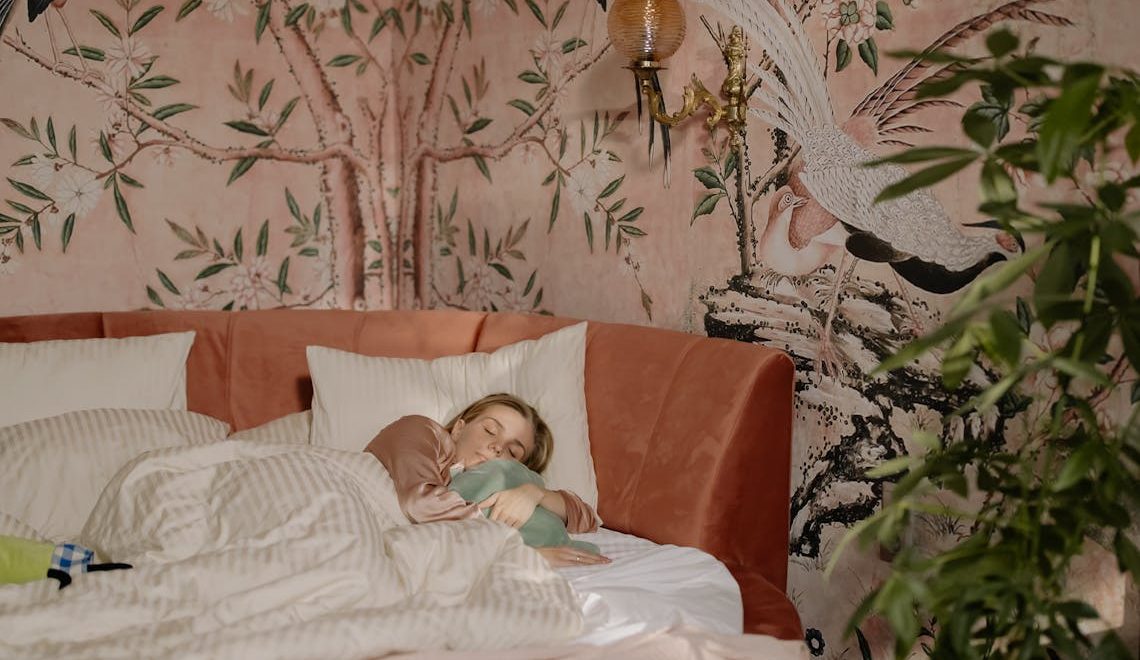
A bedroom full of plants and cut flowers? Yes please! Not just because it looks great, but because it can genuinely improve mental health and sleep quality.
This isn’t an exaggeration. Studies really do show indoor greenery has a positive effect on our nervous system: it helps calm our heart rate, lower anxiety and blood pressure, and improve emotional regulation. And all of these things influence the quality of your sleep.
But many people either associate floral aesthetics with kitsch or they simply find it overwhelming. And we’ll be the first to admit that when it goes overboard, floral anything can indeed feel a little too much. Like everything is competing for attention.
So the key is to find balance: enough plants and floral touches so it actually has an effect on your mood, but not so much that it overwhelms. Here’s how you can achieve that.
Start With a Calming Color Direction
Before you bring a single plant into the room, anchor the space with a palette that stays calm even with extra visual elements. Soft greens, muted neutrals, and one steady accent color work well because they give your eyes a place to land. A quiet background lets your plants “read” as soothing rather than busy.
If you love prints, keep them minimal. One botanical illustration or a single floral pillow is enough to reinforce the theme without turning the room into pattern soup.
Balance principle: Florals look intentional when the color story stays consistent. The palette creates the calm, the plants add the personality.
Choose Low-Shed Plants
Many plants work for a bedroom, but definitely not all. For example, lots of flowers equal lots of shed petals, which equals lots of cleaning. This is the opposite of what you want for a stress-free bedroom. So instead, stick to clean, low-shed species like snake plants, peperomia, ZZ plants, or philodendron varieties. They stay structured, keep pollen to a minimum, and don’t drop leaves every time you exhale near them.
What if you want cut flowers? You can absolutely have them, just choose tidy ones (orchids, anthuriums, alstroemeria) rather than heavy bloomers that are going to scatter petals across your nightstand.
Balance principle: Fewer, better-chosen plants are better than a crowded corner of maintenance-heavy flowers.
Place Arrangements Where They Add Calm, Not Clutter
Think of your room as a visual map. Any plant or vase near your pillow becomes the first thing your eyes process. That’s not always what you want during wind-down hours.
Put bigger plants in corners or next to furniture pieces that already feel anchored. Use mid-sized plants at eye level, and keep the immediate bedside area intentionally simple: lamp, book, water. Flowers belong away from direct airflow, otherwise they send pollen drifting in places you don’t want it.
Balance principle: You’re editing the room, not filling it. Placement decides whether plants feel restful or chaotic.

Aim for Steady, Mid-Range Humidity
It’s no secret that humidity affects plants; but did you know it also affects your sleep quality? It’s true, both too high and too low humidity are bad. You want something in the middle, so about 30–50% humidity (a small hygrometer is great for this). But you also want to adjust seasonally with a humidifier or dehumidifier when needed.
Balance principle: A plant-friendly bedroom shouldn’t feel tropical or bone-dry. You want a middle ground where both you and your plants stay comfortable.
Keep Bedding Clean, Crisp, and Allergen-Smart
A plant-themed room often brings low levels of pollen or dust, even with tidy species. That’s why bedding needs to be your most controlled variable. Consider using easy-fit bedding systems, which not only stay tight but also make changing your bedding a breeze.
Change pillowcases weekly and choose fitted sheets that stay tight. Options like those at TheLadCollective.com work well because the snug fit reduces fabric folds that trap dust. Wash sheets in a hot cycle when possible, and use breathable materials so your bed stays cool and clean.
Balance principle: Plants add ambiance but bedding keeps the environment healthy.
Adopt Quick Cleaning Rituals (Not Big Deep-Clean Days)
You don’t need a Saturday dedicated to your bedroom. You need five-minute systems.
- Morning:
- Open blinds
- Shake off light dust from leaves
- Check for fallen petals and wipe surfaces
Weekly:
- Vacuum with a HEPA filter
- Wipe hard surfaces with a damp cloth
- Refresh arrangements or swap out tired blooms
Monthly:
- Check for pests
- Rinse saucers
- Thin or rotate plants so nothing feels crowded
So, light touch, high frequency. Small habits and proper care for plants will keep your floral theme effortless instead of high-maintenance.
Edit Regularly so the Space Never Tips Into “Too Much”
Finally, it’s worth mentioning that every floral-heavy bedroom reaches a moment where one plant or one bouquet feels like the extra thing that disrupts the calm. When that moment happens, remove or relocate it.
Create a rotation system: keep two or three “hero” plants in the room at all times, and cycle supporting pieces as needed. The same goes for floral textiles and décor: one addition usually means one subtraction. You want to curate, not accumulate.
Feature Image by cottonbro studio
More to Love!
How Modern Beds Transform Bedroom Interiors Into Stylish Retreats
Stylish and Functional Bedroom Furniture That Makes Single Living Effortless