SUBSCRIBE


Polished Concrete Floors in Modern Buildings: A Structural and Aesthetic Choice
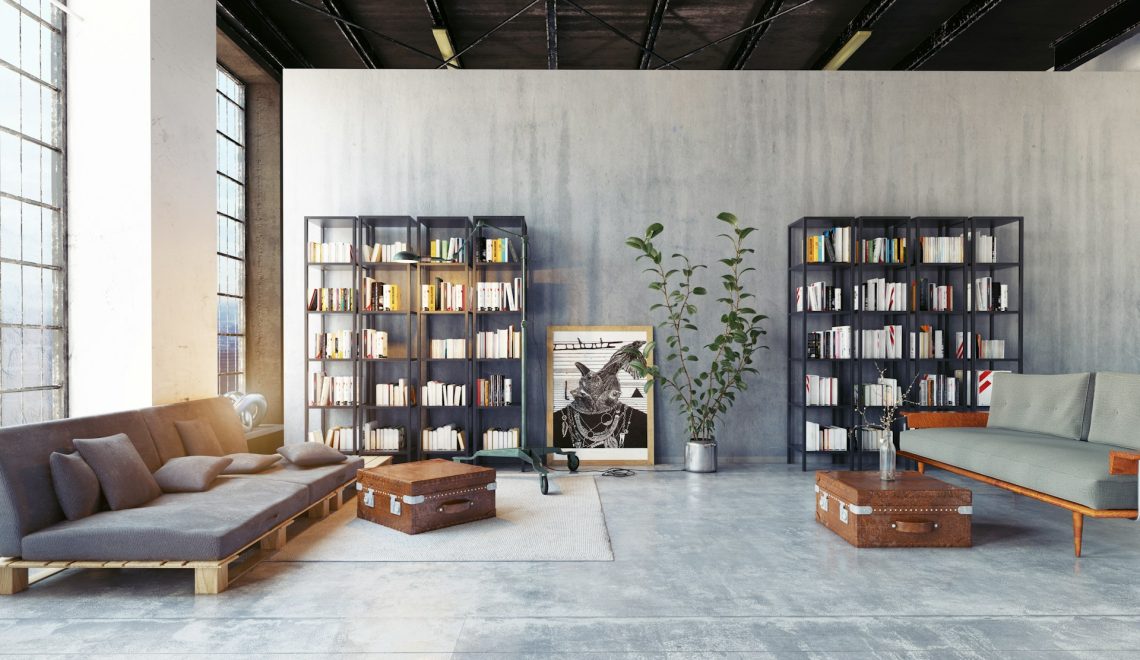
Polished concrete floors have evolved from a purely industrial solution into a defining feature of modern architecture.
Once concealed beneath tiles, carpets, or timber, the structural concrete slab is now intentionally exposed, refined, and elevated into a finished surface.
This shift reflects a broader architectural philosophy—one that values material honesty, structural efficiency, and long-term performance over decorative layering.
In contemporary buildings, polished concrete is no longer a secondary flooring option. It is a structural and aesthetic decision that directly influences spatial clarity, sustainability, and lifecycle value.
Polished Concrete as a Structural Finish
Unlike applied floor coverings, polished concrete works with the building’s structure rather than sitting on top of it.
The process involves mechanically grinding, densifying, and polishing the existing concrete slab, transforming it into the final walking surface.
This approach offers clear architectural advantages:
- No additional floor buildup, preserving ceiling heights
- Fewer material layers, simplifying construction details
- Direct integration with the structural grid and joint layout
- Reduced dependency on adhesives, coatings, or overlays
For architects and builders, this results in cleaner detailing, fewer failure points, and a more cohesive relationship between structure and finish.
Aesthetic Clarity and Modern Minimalism
Polished concrete aligns naturally with modern design principles such as simplicity, openness, and restraint. Its appeal lies in subtle variation rather than ornamentation—aggregate exposure, tonal shifts, surface reflectivity, and texture.
Key aesthetic benefits include:
- Seamless visual continuity across large floor plates
- Neutral tones that pair well with steel, timber, and glass
- Enhanced natural light through surface reflectivity
- A calm, grounded visual presence that supports spatial flow
In both residential and commercial interiors, polished concrete acts as a quiet foundation, allowing architecture, light, and furnishings to take precedence.
Performance Benefits in Modern Buildings
Beyond aesthetics, polished concrete is increasingly specified for its technical and operational advantages, particularly in high-use environments.
Durability and Structural Integrity
Because the floor surface is the slab itself, there is no risk of delamination, peeling, or surface-layer failure. Properly finished concrete floors can withstand heavy foot traffic, rolling loads, and daily wear for decades.

Low Maintenance Requirements
Polished concrete does not require waxing, resealing, or frequent surface treatments. Routine cleaning with neutral cleaners is typically sufficient, making it ideal for buildings where long-term maintenance costs are a concern.
Thermal Mass and Energy Efficiency
As part of the building’s structural mass, concrete contributes to thermal regulation. In well-designed buildings, this helps stabilise indoor temperatures and reduce heating and cooling demands.
Sustainability and Material Efficiency
Polished concrete supports sustainable construction by maximising the use of materials already in place. Rather than introducing additional finishes, the existing slab is refined and reused.
Environmental benefits include:
- Reduced material consumption
- Lower embodied carbon compared to layered flooring systems
- Minimal VOC emissions due to the absence of adhesives and coatings
- Long service life, reducing replacement waste
For projects targeting sustainability goals, polished concrete often aligns well with green building strategies and long-term environmental performance.
Design Flexibility Without Visual Complexity
Although often associated with minimalist interiors, polished concrete offers a surprising degree of design flexibility when specified correctly.
Design variables include:
- Aggregate exposure levels (from cream finish to full exposure)
- Surface sheen (matte, satin, or high-gloss)
- Colour variation through integral pigments or staining
- Joint patterns that align with architectural grids
This allows polished concrete to perform equally well in contemporary homes, offices, retail spaces, cultural buildings, and mixed-use developments.
Polished Concrete vs Traditional Flooring Systems
One of the main reasons architects favour polished concrete is the elimination of redundant finishes.
Compared to traditional flooring systems, polished concrete offers:
- Direct structural integration instead of layered construction
- Significantly longer lifespan
- Lower ongoing maintenance requirements
- Fewer points of failure over time
- Cleaner, uninterrupted visual surfaces
For modern buildings designed around longevity and efficiency, this often makes polished concrete the more rational choice.
Where Polished Concrete Works Best?
Polished concrete floors are particularly effective in:
- Open-plan offices and coworking environments
- Contemporary residential projects and loft-style homes
- Museums, galleries, and cultural institutions
- Retail spaces and showrooms
- Educational and public buildings
Its adaptability across building types reinforces its role as a core architectural material, not a passing trend.
A Deliberate Architectural Decision
Choosing polished concrete is not simply an aesthetic preference—it is a design philosophy. It reflects confidence in structure, respect for materials, and a commitment to long-term performance.
In modern buildings, polished concrete floors communicate durability, clarity, and architectural intent. Rather than concealing the structure, they celebrate it—allowing the building to age gracefully and remain relevant well beyond short-term design trends.
More to Love!
Are Stained Concrete Floors for You?
The Complete Guide to Refinishing Hardwood Floors