SUBSCRIBE


5 Luxury Tours that Redefine Indulgence
Luxury travel has shifted over the last few years. It’s less about excess for its own sake and more about control, access, and not having to think through every minor choice once you arrive. The best high-end tours now feel closer to well-run personal itineraries than packaged experiences. They give travellers space to move at their own pace, supported by local guides who understand how these places actually work.
This version of indulgence is rooted in ease rather than extravagance. It shows up in smooth transfers, guides who read the room, and hotels chosen for location rather than name recognition. The places below lend themselves naturally to this style of travel. They’re destinations where structure improves the experience and where thoughtful planning makes a clear difference to how a trip unfolds.
Interlaken, Switzerland, for Tailor-made Alpine Indulgence
Interlaken sits between Lake Thun and Lake Brienz, which makes it a practical base rather than a place you linger for scenery alone. Its appeal lies in how efficiently it connects the surrounding alpine areas. With the right planning, you can be on a first-class carriage of the Jungfrau Railway in the morning, walking through Lauterbrunnen later that afternoon, and back at your hotel before dinner without ever feeling rushed or herded.
Itineraries often include private guides for mountain walks that don’t require technical skill but still take you away from busy viewpoints. Cable cars to places like Schilthorn are scheduled around weather conditions rather than fixed timetables. That flexibility matters in the Alps. It’s also where luxury private tours of Switzerland tend to justify their cost, removing most of the guesswork around transport and timing.
The best accommodation usually sits just outside the centre, often overlooking the lakes or higher ground. Most travellers eat where their guide suggests rather than relying on hotel recommendations, which keeps things grounded. Interlaken offers a calm, well-run base for travellers who’d rather enjoy the Alps than wrestle with timetables.
Monaco, French Riviera, for Curated Coastal Sophistication
Monaco is compact, but navigating between Monte Carlo, Le Rocher and the surrounding coastline can still require planning, especially during peak season. Luxury tours streamline the experience by organising transfers, restaurant reservations and access to venues that can be difficult to secure independently.
Days often start late here. A guided walk through the old town or along the Formula One circuit makes more sense once the crowds thin out. Afternoons are better spent slightly outside the city, perhaps along the coastal path near Cap d’Ail or over the border in Èze.
The real advantage of a curated tour is not being steered toward the same stops everyone else sees. Guides who work regularly in Monaco know when to avoid certain areas, which restaurants are worth the effort, and when it makes sense to leave the principality altogether. That kind of direction keeps the experience varied, rather than feeling like a loop through familiar highlights.
Santorini, Greece, for Elevated Island Allure
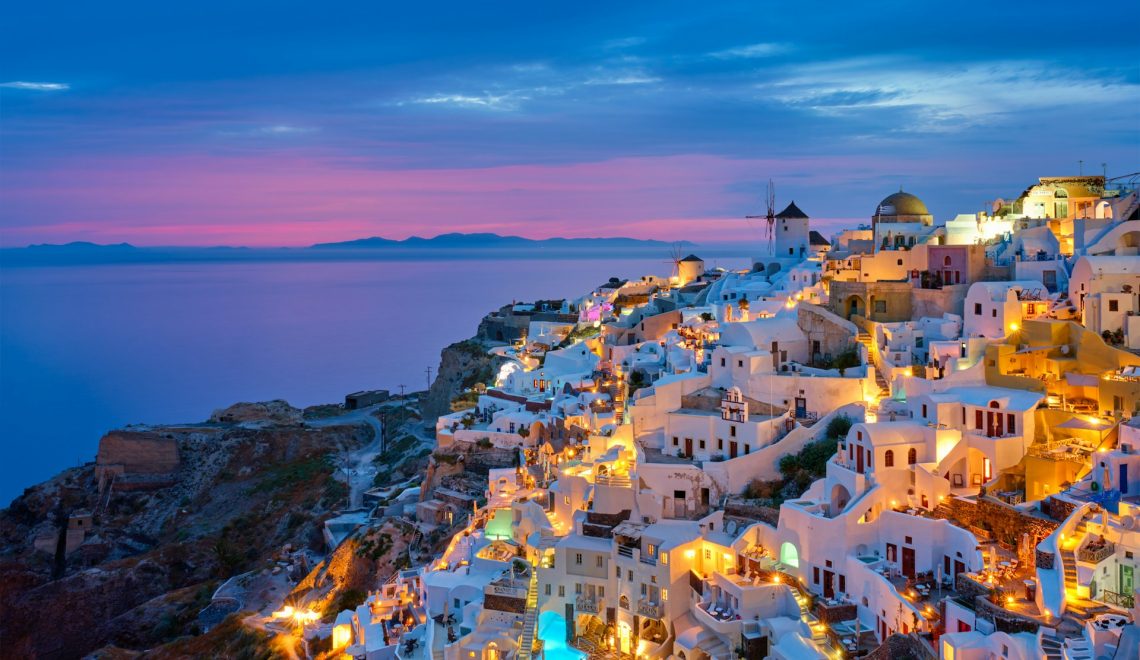
Even in a place as stunning as Santorini, getting around takes a bit of planning. Narrow roads, limited taxis, and crowded viewpoints can make self-guided days tricky. This is where seamless luxury tours in Santorini earn their reputation. Transfers are timed with ferry arrivals, accommodations are chosen for convenience as well as views, and daily plans avoid the island’s busiest pinch points.
Many private itineraries balance time along the caldera with inland villages like Pyrgos, where crowds thin and things feel less performative. Wine tours focus on a small number of producers rather than rushed tastings, often paired with long lunches at places locals actually use. Beach time usually shifts to the quieter southern coast instead of the familiar postcard stops.
Accommodation on Santorini is typically in small hotels with a limited number of rooms, which allows for a more personal experience. Daily itineraries do not need to be fully scheduled, as the island is small and key sites can be visited efficiently. A guided or curated approach can add value by advising when to explore and when to remain at the hotel, helping travellers optimise their time and avoid peak crowds.

Marrakech, Morocco, for Immersive Sensory Extravagance
Marrakech is intense on a first visit. The medina can overwhelm, and the line between enriching and exhausting is thin. Well-designed luxury tours recognise that and pace the experience carefully. Mornings might include guided walks through specific souks with someone who knows which areas to avoid at certain times. Afternoons are often left free, spent back at a riad or in quieter gardens.
Many tours include time outside Marrakech, either in the Atlas Mountains or the Agafay Desert. Stepping away for a short stretch helps steady the pace before returning to the city. Guides who’ve worked here for years tend to focus on context rather than spectacle, explaining how neighbourhoods function and why certain trades cluster where they do.
Riads are the most common choice of accommodation, usually tucked behind unmarked doors within the medina. They offer space, quiet, and a sense of separation from the streets, which makes a real difference after a full day out. Most have interior courtyards or small pools, and staff who handle logistics discreetly rather than hovering.
St. Barts, Caribbean for Sun-soaked Grandeur
High-end travellers choose St. Barts for its combination of exclusivity and convenience. Luxury tours focus on private villas with staff managing daily logistics, including transfers, grocery stocking, and restaurant reservations, ensuring a seamless experience.
Days tend to revolve around specific beaches. St Jean for activity, Colombier for quiet, Gouverneur when you want space without isolation. Guides help match timing to conditions, which makes even short stays feel well used. Evenings revolve around a few trusted restaurants, keeping meals relaxed rather than overplanned.
Transport is straightforward but benefits from planning. Roads are steep and narrow, parking is limited, and small delays add up quickly if you don’t know where you’re going. Having local support means routes and timing are handled quietly in the background, which saves time without making the day feel rigid.
So, What Makes a Tour Truly Luxurious?
It’s rarely about how much things cost. The trips above work because they strip away unnecessary complications without flattening the experience. They add structure where it’s useful and step back when it’s not. Travellers aren’t left second-guessing routes, bookings, or timing, which leaves more room to truly enjoy where they are.
Luxury, in this sense, feels practical. It shows up in small decisions made well, guides who adapt as plans shift, and days that don’t feel overfilled.
More to Love!
How to Choose the Perfect Nutrition Plan on Your Luxury Travels
Where Silence Is the Luxury: The Rise of Solitude-Seeking Holidays