SUBSCRIBE


Gas vs. Electric Stoves: A Practical Guide to Making the Right Choice for Your Kitchen
When planning a kitchen upgrade, one of the biggest decisions homeowners face is choosing between a gas or electric stove. This isn’t just a simple appliance choice—it’s a decision that affects cooking experience, home air quality, energy bills, and even family health. Whether exploring kitchen remodeling solutions or replacing an old range, understanding the real differences between these two options helps ensure a choice that won’t lead to regrets.
The Health Conversation That Matters
Gas stoves have a measurable impact on indoor air quality. Recent studies show that approximately 12.7% of childhood asthma cases in the United States are linked to gas stoves in homes. Another study from the International Journal of Epidemiology found that children living in households with gas stoves are 42% more likely to develop asthma.
When natural gas burns, it releases carbon dioxide and nitrogen dioxide into the home—the same air families breathe every day. The data is clear: gas stoves directly impact indoor air quality and present genuine health concerns.
What’s Happening in Seattle?
Seattle has moved to ban most fossil fuel uses in new buildings, which includes gas furnaces, water heaters, and gas cooktops. These bans currently only apply to new construction. Homeowners remodeling existing kitchens still have the option to install gas ranges if desired.
Interestingly, even with health concerns and upcoming restrictions, many homeowners are choosing to install gas ranges during remodels, viewing it as their “last chance” to get a gas stove. The appeal is understandable—cooking with an open flame feels authentic and provides a sense of control. However, both options deserve careful consideration.
Breaking Down the Gas Stove Experience
The Advantages
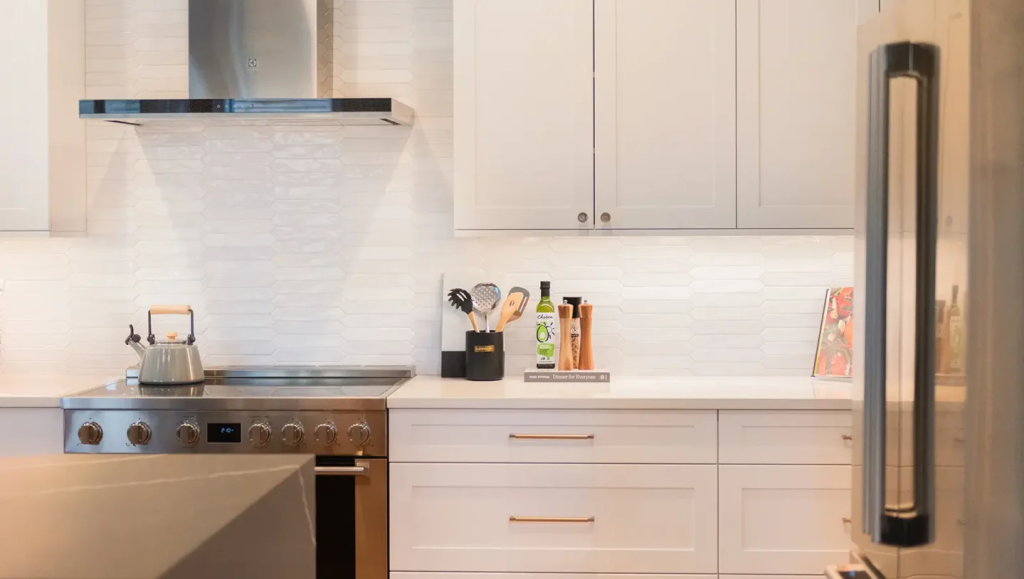
For those who love to cook, gas cooktops offer some legitimate benefits. The heat control is immediate and precise. The flame is visible, adjustable instantly, and provides even heat distribution that electric coils sometimes struggle to match. Burners heat up fast and cool down quickly when turned off.
From a practical standpoint, gas stoves work during power outages, which can be valuable during storm season. The cast iron grates are incredibly durable—far more so than glass tops on many electric models. Depending on utility rates, gas can sometimes be cheaper to operate than electric.

The Real Downsides
Beyond the health concerns mentioned earlier, gas stoves come with practical challenges:
- Higher upfront cost than electric options
- More expensive installation due to gas line plumbing requirements
- Gas lines need regular inspection (even small tears can fill homes with gas)
- Harder to clean with grates and exposed elements
- Generate more ambient heat, making kitchens warmer
- Poor kitchen ventilation compounds air quality issues
The Electric Alternative: Better Than You Think
Modern Electric Options
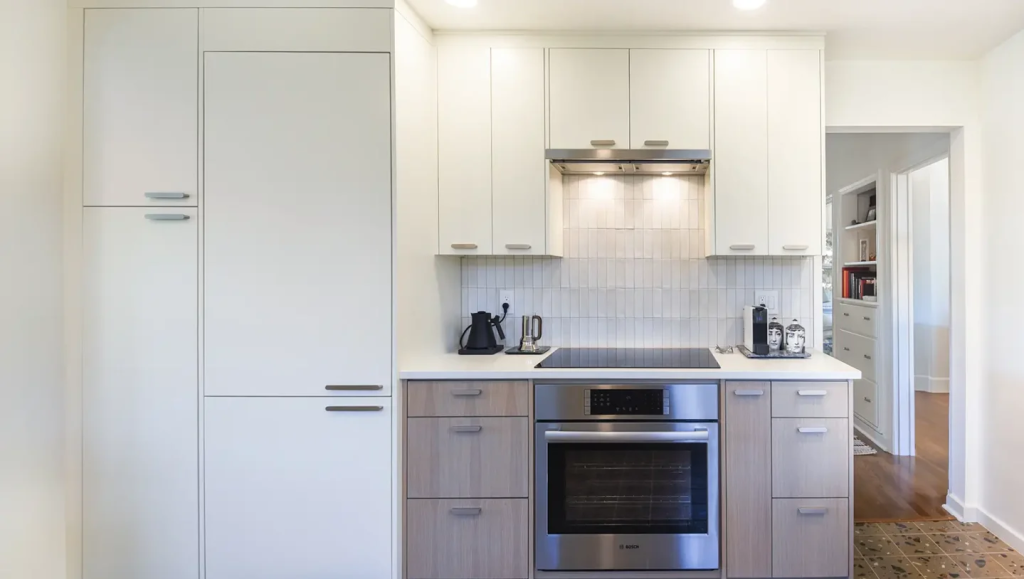
Electric stoves have evolved significantly. The two main types—traditional electric coil and induction—offer technology that addresses many old complaints about electric ranges.
The biggest advantage? Clean indoor air quality. No carbon dioxide, no nitrogen dioxide—just clean cooking. Electric ranges are typically less expensive to purchase and significantly cheaper to install since they only require electrical wiring instead of gas lines.
Most electric cooktops include built-in safety features like visual indicators showing when surfaces are hot. Red lights or “hot surface” warnings help prevent burns, especially in households with children. Induction cooktops cool down almost instantly, adding another safety advantage.
Many electric stoves are solar energy compatible. For households with or planning solar panel installation, an electric range means cooking with renewable energy.
The Trade-Offs
Electric isn’t perfect. Heat control is less immediate—not as instant or intuitive as adjusting a gas flame. Electric coils take longer to heat up and cool down. Sleek glass cooktops can be difficult to clean once something burns onto the surface, and they’re expensive to replace if cracked.
Power outages eliminate cooking ability unless there’s a solar setup with battery backup.
5 Questions to Consider Before Deciding
Construction and remodeling professionals at Mbremodels, serving the Seattle area, help homeowners think through this decision with these key questions:
- How often is the stove actually used? For households primarily reheating leftovers and making simple meals, the precision control of gas may not provide significant value.
- Are there children or family members with respiratory issues? If so, the health data on gas stoves should weigh heavily in the decision.
- What’s the kitchen’s ventilation like? A powerful range hood can mitigate some air quality concerns with gas, but not all of them.
- Are solar panels in the plans? If sustainability is important, electric makes more sense for long-term goals.
- What does the budget look like? Factor in not just the stove itself, but installation costs and long-term operating expenses.
The Current Trend
Throughout Seattle’s kitchen remodeling projects, a shift is becoming evident. Professional chefs and serious home cooks still tend toward gas for precise heat control. However, more families are choosing electric—especially induction—once they understand the health implications and see how much the technology has advanced.
Both options have legitimate pros and cons. Cooking style, household needs, and personal values should drive the decision. The direction is clear: residential construction is moving away from gas, both because of environmental concerns and better understanding of health impacts.
Making the Right Choice
Whichever direction homeowners choose, working with a contractor who stays current on building codes is essential. Gas bans are expanding, regulations are changing, and what works in one kitchen might not be right for another.
The kitchen is the heart of the home. The stove choice should support how families live, keep them healthy, and align with where building standards are headed. This decision deserves careful consideration and expert guidance.
More to Love!
The Heart of the Home: Decorating and Designing Kitchen Islands
How to Create a Nature-Inspired Kitchen