SUBSCRIBE


What Are the Latest Trends in At-Home Wellness Rooms?
Wellness at home has moved from a “nice-to-have” idea to something people actively design their spaces around. In 2026, it’s not just about having a gym or a quiet corner. It’s about creating an environment that supports both physical and mental well-being in a natural, everyday way.
The interesting part is that wellness rooms are no longer limited to large homes. With smarter design and more compact solutions, even smaller spaces can be transformed into something meaningful. Let’s look at the trends shaping at-home wellness rooms right now.
1. Multi-Functional Wellness Spaces
One of the biggest shifts is flexibility. Instead of dedicating an entire room to a single purpose, people are designing spaces that serve multiple functions.
A wellness room might act as a yoga studio in the morning, a workspace during the day, and a relaxation zone in the evening. Foldable equipment, modular furniture, and smart storage make this possible without cluttering the space.
This approach makes wellness more accessible. You don’t need extra square footage. You just need a smarter layout.
2. Spa-Like Features at Home
Bringing the spa experience home is a major trend. People are investing in features that help them unwind without leaving the house.
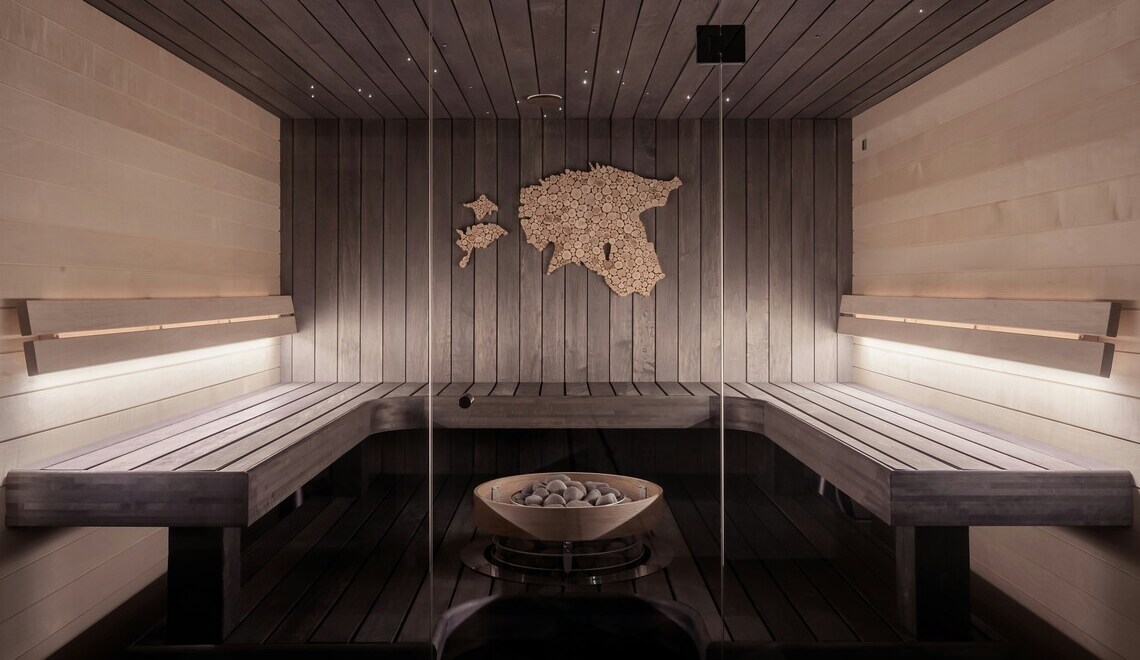
Steam showers, soaking tubs, and saunas are becoming more common. Even mid-sized options, like a 4 person sauna, are now designed to fit comfortably into homes without requiring a full renovation. These additions turn a simple room into a place that feels restorative and personal.
The goal is not luxury for the sake of it. It’s about convenience and consistency. When relaxation is easily accessible, people are more likely to make it part of their routine.
3. Nature-Inspired Design
Natural elements are playing a big role in wellness spaces. This trend focuses on creating a connection with nature, even indoors.
Wood finishes, stone textures, plants, and natural light all help create a calming environment. Earthy tones like beige, soft greens, and warm browns are replacing harsher color palettes.
This style works because it feels grounding. It encourages you to slow down and disconnect from the noise of daily life.
4. Technology That Supports Well-Being
Technology is becoming more integrated into wellness rooms, but in a subtle way. Instead of being distracting, it’s designed to support relaxation.
Smart lighting systems adjust brightness and color based on the time of day. Sound systems play calming music or guided sessions. Climate control ensures the room always feels comfortable.
Some spaces even include features like guided meditation screens or recovery tools. The focus is on creating an environment that adapts to your needs without requiring constant input.
5. Minimalist and Clutter-Free Layouts
A calm space starts with a clean design. Minimalism continues to be a strong influence in wellness rooms.
This doesn’t mean the space has to feel empty. It just means every item has a purpose. Too many objects can create visual noise, which takes away from the relaxing effect.
Simple furniture, hidden storage, and open layouts help maintain a sense of clarity. When the space feels organized, it becomes easier to relax.
6. Dedicated Recovery Zones
Recovery is becoming just as important as exercise. Wellness rooms are now including features specifically designed for rest and recovery.
This might include massage tools, stretching areas, or heat and cold therapy options. Comfortable seating or floor setups also play a role, giving people a place to pause and reset.
Instead of pushing for constant activity, these spaces encourage balance. That’s a big shift in how people think about wellness.
7. Personalization Over Trends
While trends are helpful, personalization is what truly defines modern wellness spaces.
People are designing rooms that reflect their own habits and preferences. For some, it’s a quiet, meditative space. For others, it’s more active and energizing.
Small details make a difference. A favorite scent, a specific type of lighting, or even the layout of the room can shape how it feels. The more personal the space, the more likely it is to be used regularly.
Conclusion
At-home wellness rooms in 2026 are all about intention. They are designed to support daily routines, not just occasional use.
From multi-functional layouts and spa-inspired features to natural design and smart technology, the focus is on creating spaces that feel good to be in. Whether it’s a simple corner or a fully equipped room, the goal is the same.
Make wellness part of everyday life in a way that feels natural, comfortable, and sustainable.
More to Love!
Design Lover’s Guide to Spas & Wellness Retreats
Wellness Living & Wellness Design at Home, Now Forever Trends