SUBSCRIBE


5 Elegant Dinner Menus for Sensitive Digestion
Hosting a dinner party when you or your guests have digestive sensitivities is about creating a refined experience that prioritizes comfort without sacrificing the luxury of a well-prepared meal. About 1 in 7 people contend with the complexities of chronic bloating and abdominal discomfort. By focusing on tender cooking methods and smart substitutions, you can serve a menu that feels indulgent while remaining gentle on the gut.
True hospitality means anticipating your guests’ needs before they have to ask. When you focus on ingredients that are naturally low in fermentable carbohydrates, you eliminate the stress that often accompanies dining out for those with sensitive systems. These menus rely on high quality oils, fresh herbs, and precise temperatures to deliver flavor.
The Art of the Gentle Host
Preparation is the silent ingredient in any successful gathering. When planning for guests with specific needs, such as those following clinically tested protocols for diverticulitis via products like DivertX, it is helpful to offer clear resources they can discuss with their healthcare provider. Providing a menu card that highlights gut-friendly choices allows everyone to relax and enjoy the evening.
A thoughtful host understands that timing is just as important as the food itself. Spacing out courses gives the digestive system time to process each dish without becoming overwhelmed. You can use these intervals for light conversation or a curated playlist to keep the atmosphere sophisticated and relaxed.
Menu One: The Coastal Elegance Pairing
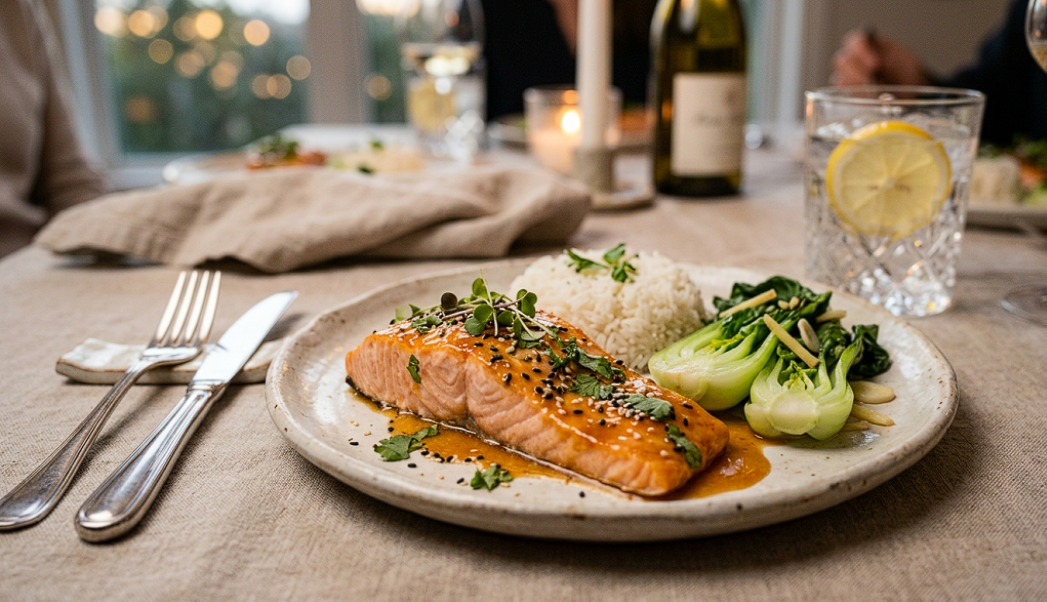
Seafood is a premier choice for sensitive digestion because the proteins are naturally lean and easy for the body to break down. This menu features a miso lime glazed salmon as the centerpiece, utilizing the deep umami of fermented miso without the need for heavy creams.
The salmon is paired with ginger-infused bok choy which acts as a natural digestive aid. Ginger contains compounds that help stimulate digestive enzymes and reduce the likelihood of post-meal bloating. For the starch, a simple jasmine rice, steamed with a bruised stalk of lemongrass, provides a fragrant, entirely gluten-free base.
Menu Two: The Herbaceous Garden Roast
For those who prefer a more traditional dinner, a slow-roasted beef tenderloin provides a luxurious experience that remains surprisingly light. By stuffing the tenderloin with a mixture of fresh spinach and aged goat cheese, you provide moisture and flavor without the lactose found in softer cheeses.
- Use garlic-infused olive oil to provide that classic savory aroma without the fructans found in whole garlic cloves
- Serve with a side of roasted carrots and parsnips glazed in a touch of maple syrup
- Garnish with fresh chives and parsley to add brightness to the plate
The key to this menu is the roasting process. Cooking the beef to a perfect medium-rare means the fibers remain tender enough to be easily processed by the stomach.

Menu Three: The Mediterranean Sunset
Mediterranean flavors are often associated with health, but traditional recipes often lean heavily on onions and garlic. This menu swaps those triggers for leek greens and scallion tops to keep the flavor profile intact. A brown-butter Tilapia Meunière offers a rich, nutty flavor that pairs beautifully with a crisp white wine.
Accompany the fish with a salad of butter lettuce, shaved fennel, and a citrus vinaigrette. Fennel has long been used in traditional wellness practices to soothe the intestinal tract and reduce gas. It provides a refreshing crunch that balances the richness of the brown butter sauce.
Menu Four: The Braised Comfort Feast
Braising is a miracle technique for those with delicate digestion. The long, slow cooking process breaks down tough tissues in meats like braised short ribs, essentially doing half the work of digestion before the first bite.
Instead of a heavy red wine reduction, use a base of beef bone broth and pomegranate juice. The pomegranate provides a sophisticated acidity that mimics wine but is often better tolerated by those with acid sensitivity. Serve this alongside a root vegetable mash whipped with a little olive oil instead of butter for a silky, dairy-free side.
Menu Five: The Seasonal Poultry Soiree
Chicken often gets a reputation for being plain, but when prepared as a “Citrus Herb Oil Poached Breast,” it becomes a fine-dining staple. Poaching the chicken in high-quality oil at a low temperature ensures it never becomes dry or stringy.
Pair this with a side of quinoa tossed with toasted pine nuts and fresh mint. Quinoa is a complete protein and a fantastic alternative to heavier grains, providing a light texture that doesn’t sit heavy in the stomach. Finish the plate with a drizzle of the poaching oil for a cohesive and vibrant flavor profile.
Curated Finishes for the Evening
The conclusion of a meal should leave guests feeling light and satisfied. Offer a raspberry sorbet or a small portion of dark chocolate as a dairy-free finish that feels like a true celebration. These options provide a touch of sweetness without the high-fat content that can sometimes trigger digestive distress late in the evening.
For more insights on maintaining a balanced lifestyle, browse our latest articles and apply what you learn to your next dinner party.
More to Love!
Five Tips for Your Next Dinner Party
Summer Dinner Ideas to Make at Home