SUBSCRIBE


Why Organic Design Is Becoming the Future of Fine Jewelry
Moving Away From Perfect Symmetry
For many years, fine jewelry was defined by precision, symmetry, and highly polished perfection. While these qualities still represent craftsmanship, modern tastes are shifting toward something more natural and expressive.
Organic design—characterized by soft lines, irregular textures, and nature-inspired forms—is becoming increasingly popular.
This approach reflects a broader cultural movement toward authenticity and individuality.
Instead of looking identical, pieces are designed to feel alive.
What Defines Organic Jewelry Design
Organic jewelry design draws inspiration from the natural world.
This includes:
- Flowing shapes instead of rigid lines
- Textured surfaces instead of perfectly smooth finishes
- Asymmetry that feels intentional rather than imperfect
The goal is to create pieces that feel effortless and natural, rather than overly structured.
This makes them more adaptable to different styles and easier to wear daily.
Why Consumers Are Drawn to Natural Aesthetics
Modern consumers are increasingly seeking balance in their lives.
In a world dominated by technology and fast-paced environments, natural aesthetics offer a sense of calm and grounding.
Organic jewelry aligns with this mindset by:
- Reflecting nature’s unpredictability
- Emphasizing softness and movement
- Avoiding overly rigid design
This creates a more relaxed and approachable form of luxury.
The Role of Craftsmanship in Organic Design
Creating organic shapes is often more complex than producing symmetrical ones.
It requires:
- Precise control over materials
- A deep understanding of form
- Skilled craftsmanship to achieve balance
Each piece must feel natural while still being structurally sound.
Collections like Marco Bicego Jewelry highlight how organic design can be executed with precision while maintaining a sense of softness and fluidity.
Texture as a Key Element
One of the defining features of organic jewelry is texture.
Instead of smooth, polished surfaces, designers often incorporate:
- Hand-engraved finishes
- Brushed metals
- Subtle irregularities
These textures add depth and make each piece visually interesting from different angles.
They also enhance the tactile experience, making jewelry more engaging to wear.
Versatility in Everyday Styling
Organic jewelry is highly versatile.
Because it avoids rigid structure, it pairs easily with:
- Casual outfits
- Business attire
- Formal wear
This flexibility makes it ideal for people who want jewelry that adapts to different settings.
Rather than being reserved for special occasions, these pieces can be worn daily.
The Emotional Appeal of Natural Forms
Natural shapes often evoke emotional responses.
They can feel:
- Calming
- Familiar
- Intuitive
This emotional connection adds value beyond aesthetics.
It makes the jewelry feel more personal and meaningful.
Imperfection as a Design Strength
One of the most interesting aspects of organic design is the acceptance of imperfection.
Unlike traditional jewelry, which often aims for flawless symmetry, organic pieces embrace variation.
These variations:
- Make each piece unique
- Highlight craftsmanship
- Create a more authentic feel
This aligns with a broader cultural appreciation for individuality over uniformity.

Sustainability and Conscious Design
Organic design often overlaps with sustainability.
This is because it encourages:
- Thoughtful material use
- Long-lasting design
- Reduced reliance on trend cycles
Consumers who are interested in sustainability are often drawn to pieces that feel timeless rather than temporary.
Why This Trend Is Growing
Several factors are driving the popularity of organic jewelry:
Desire for Authenticity
People want products that feel real and unforced.
Shift Away From Perfection
Perfect symmetry is no longer the only standard of beauty.
Connection to Nature
Natural forms provide a sense of balance in modern life.
Versatility
Organic designs work across multiple styles and occasions.
How Organic Jewelry Fits Into Modern Collections
For those building a jewelry collection, organic pieces offer a strong foundation.
They can:
- Serve as everyday staples
- Complement more structured designs
- Add variety without creating conflict
This makes them a practical choice for long-term use.
Combining Organic and Structured Pieces
One effective styling approach is to mix organic and structured jewelry.
For example:
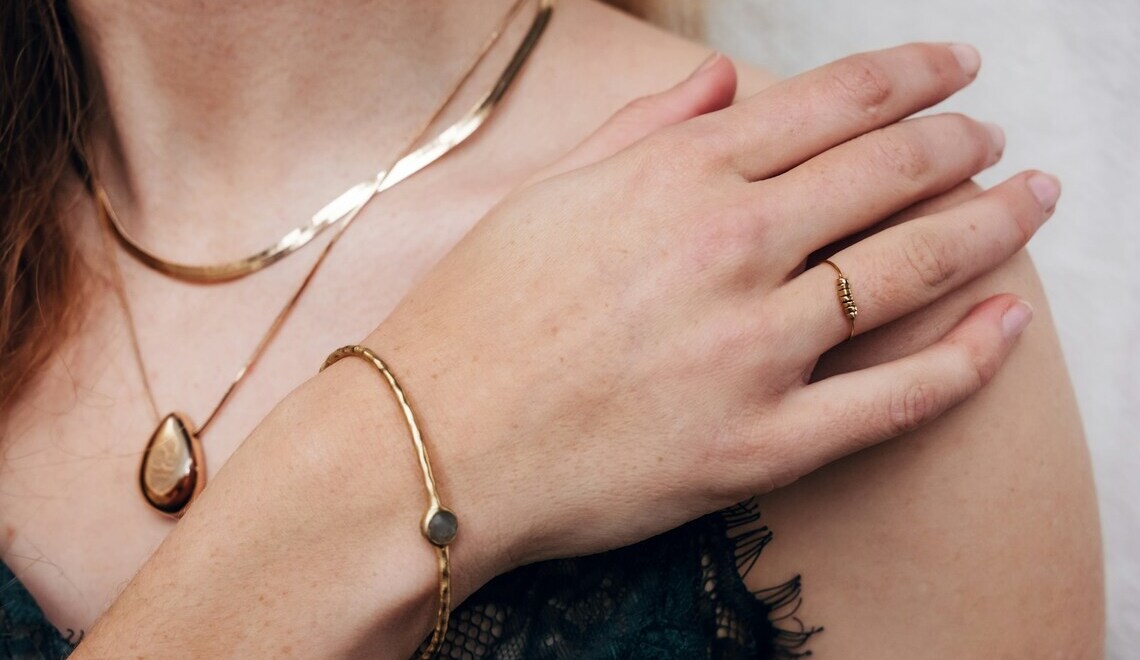
- Pairing a textured bracelet with a minimalist ring
- Combining fluid shapes with geometric elements
This creates contrast and adds visual interest.
The key is balance—ensuring that the pieces complement rather than compete with each other.
Investing in Timeless Design
One of the advantages of organic jewelry is its longevity.
Because it is not tied to specific trends, it remains relevant over time.
This makes it a strong investment for those looking to build a lasting collection.
Instead of needing constant updates, a few well-chosen pieces can serve for years.
The Future of Fine Jewelry
As consumer preferences continue to evolve, organic design is likely to play an increasingly important role.
It reflects broader trends toward:
- Individuality
- Sustainability
- Emotional connection
These values are shaping the future of luxury.
Wrapping Up
Organic design represents a new direction in fine jewelry—one that prioritizes natural beauty, authenticity, and versatility.
By combining craftsmanship with inspiration from nature, it offers a more relaxed and personal approach to luxury.
For those looking to move beyond traditional styles, organic jewelry provides a meaningful and timeless alternative.
More to Love!
Add Bling to Your Big Day with This Seasonal Guide to Wedding Jewelry
How to Turn Ideas Into Stunning Custom Jewelry Designs