SUBSCRIBE


When Fashion Becomes Art: Inside the Met Gala 2026 Theme
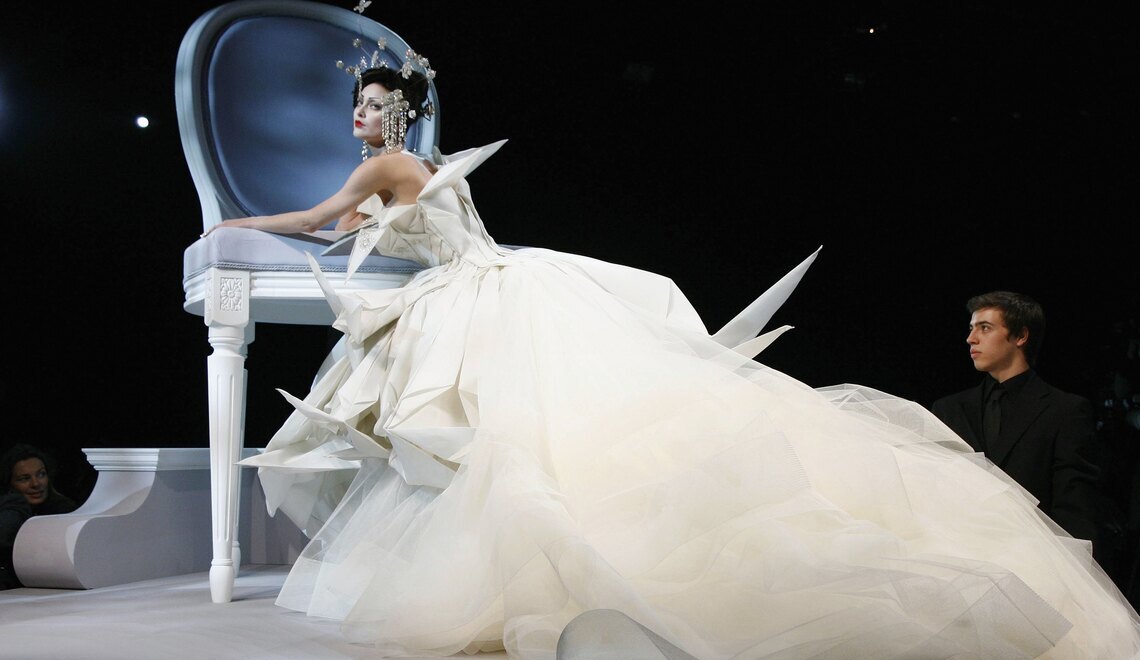
Tonight, fashion steps fully into the realm of art. As the Met Gala 2026 unfolds under the theme “Fashion Is Art,” the conversation around what we wear—and why—takes on renewed meaning. At The Metropolitan Museum of Art, the accompanying Costume Art exhibition invites us to reconsider fashion not as adornment, but as an extension of the body, identity, and artistic expression.
It’s a perspective that feels both timely and timeless.
Because long before the spectacle of couture and the flash of cameras, there has always been a quieter truth: fashion, at its most powerful, is art in motion.
A Conversation Long in the Making
The idea of fashion as art is not new—it’s simply having a moment.
In 2022, we explored the concept of wearable art, where garments transcend function to become expressions of identity, craftsmanship, and emotion. Today, that same perspective takes center stage, elevated within one of the world’s most influential cultural institutions.
What we’re seeing now is not a shift, but a recognition.
At its highest level, artistic fashion has always existed—in ateliers, in couture houses, and in the work of designers who create beyond trend, focusing instead on meaning, narrative, and form.
The Body as Canvas
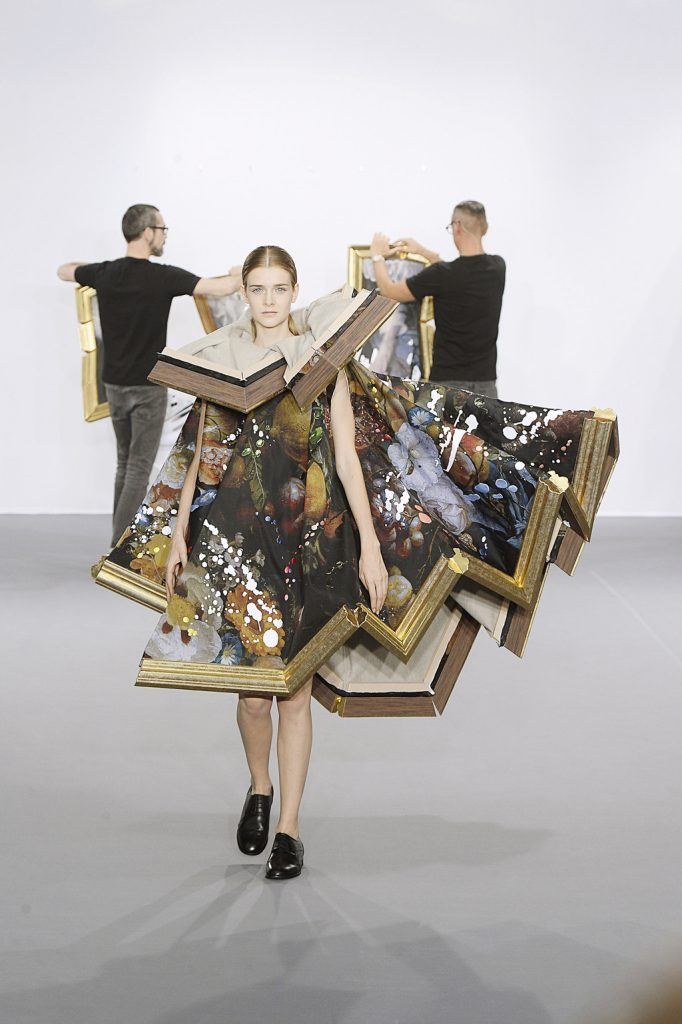
At the heart of Costume Art is a powerful idea: clothing cannot be separated from the body it inhabits.
Garments are not static. They move, they respond, they live.
They shape silhouette, define presence, and ultimately become part of the identity they adorn. In this way, fashion mirrors sculpture—formed not only by the designer’s vision, but by the wearer’s movement and individuality.
This is where fashion and art converge.
Where clothing becomes more than style—it becomes expression.
A living, evolving work of art.
Couture Craftsmanship and the Art of Making
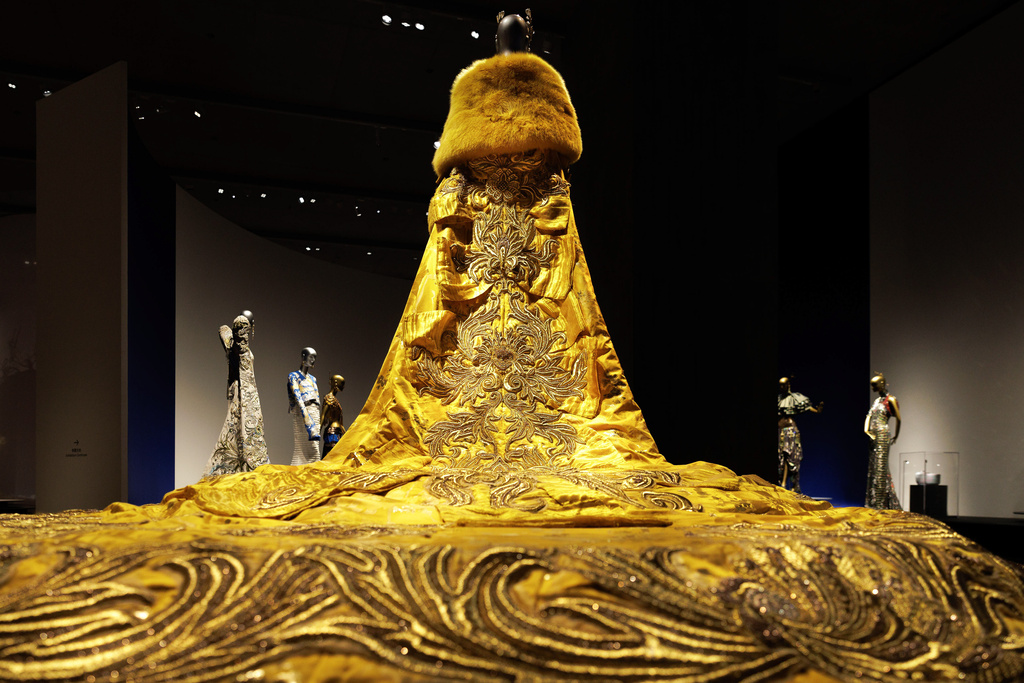
To understand fashion as art is also to understand the importance of couture craftsmanship.
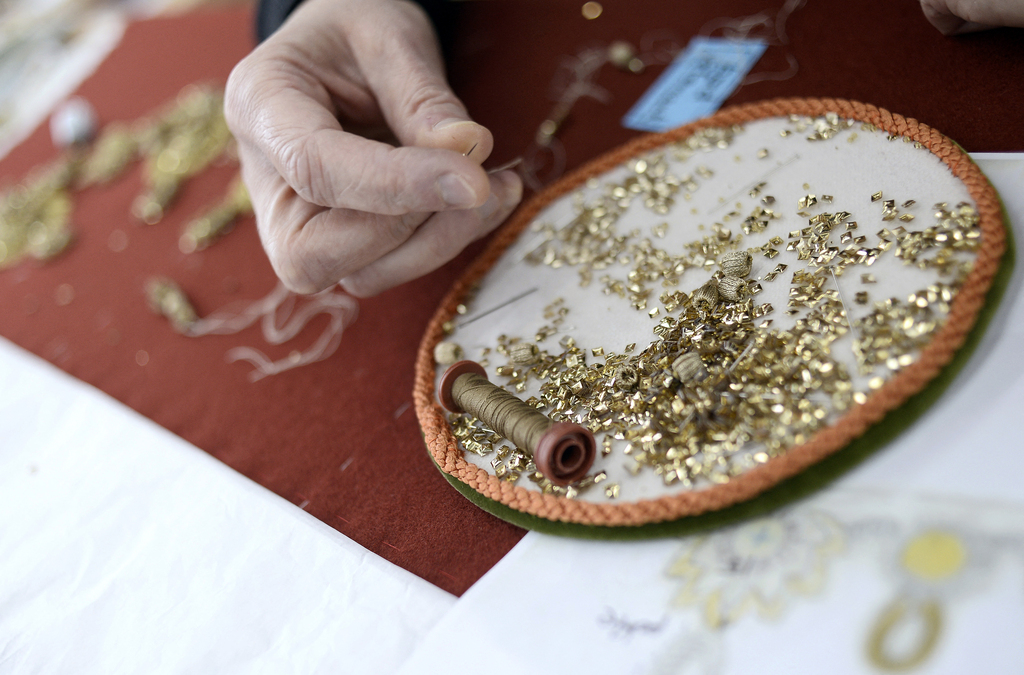
From hand embroidery to sculptural tailoring, the techniques behind high fashion are rooted in centuries of savoir-faire. Every detail is intentional. Every material is chosen for both beauty and meaning.
This level of craftsmanship elevates fashion beyond the seasonal.
It transforms garments into pieces that are collectible, personal, and enduring—core characteristics of wearable art.
Beyond the Runway: Artistic Expression Across Design
While the Met Gala 2026 places global attention on artistic fashion, the concept extends far beyond a single night.
Today, the relationship between fashion and art is influencing the broader design world—where objects are created not only for function, but for expression.
Across disciplines, we see a shared philosophy emerging:
- Design as storytelling
- Form as emotion
- Objects as identity
It’s a language that extends naturally into interiors—where the most compelling spaces are curated with the same intention as a couture look.
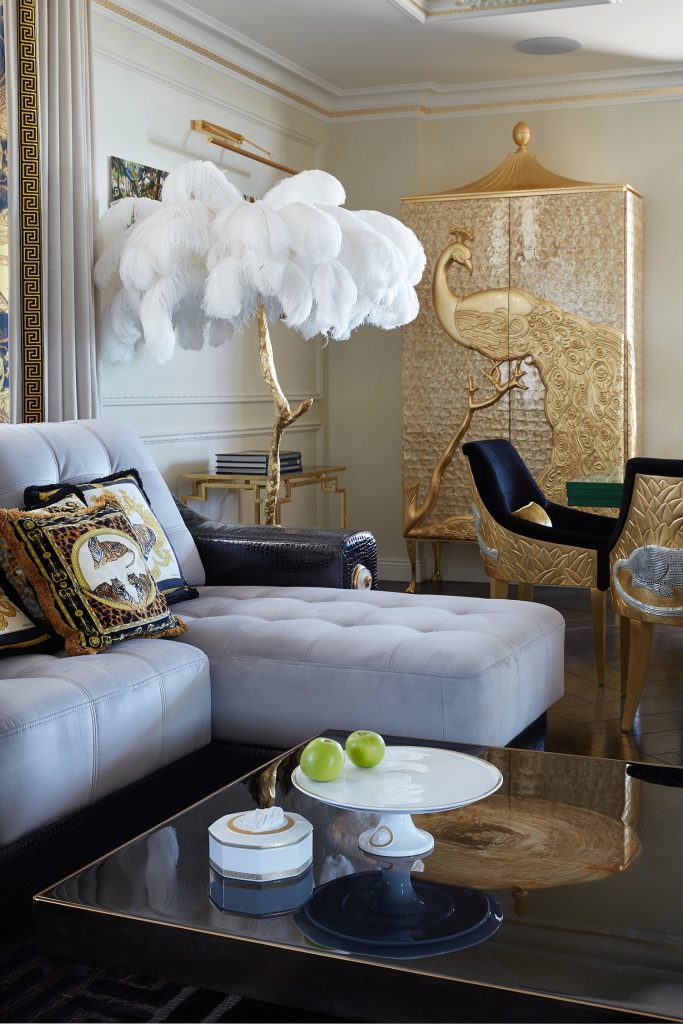
Within this space, brands like KOKET have long embraced a fashion-led approach to design, creating pieces that blur the line between object and ornament, furniture and sculpture. With a focus on bold femininity, couture-level craftsmanship, and expressive form, each creation becomes more than functional—it becomes a statement, a presence, a narrative within a space.
Much like wearable art, these pieces are not simply designed to exist.
They are designed to be felt.
Fashion, Identity, and Empowerment
At its core, wearable art is about identity.
To dress is to communicate—to express mood, perspective, and individuality without words. In this way, fashion becomes a powerful tool of self-definition.
And within that expression lies empowerment.
Not dictated by trend, but driven by personal vision.
A Timeless Perspective, Reimagined
Tonight, as the world watches the Met Gala 2026, the spectacle will inspire. But beyond the red carpet, something more lasting remains.
A renewed understanding that fashion as art is not a trend—it’s a timeless perspective.
Because the most meaningful pieces are never just worn for a moment.
They are created to endure.
To be remembered.
To be felt.
Feature Image: A model stands on the catwalk at the Christian Dior Fashion show, during Paris Fashion Week (Haute Couture) Spring-Summer 2007 at Polo de Paris on January 22, 2007 in Paris, France. (Photo by Michel Dufour/WireImage)
More to Love!
Tempted by Design: The Crafts Behind Luxury Art, Fashion & Decor