SUBSCRIBE


Why Bathroom Mosaic Tiles Are One of the Most Versatile Choices for Modern Homes
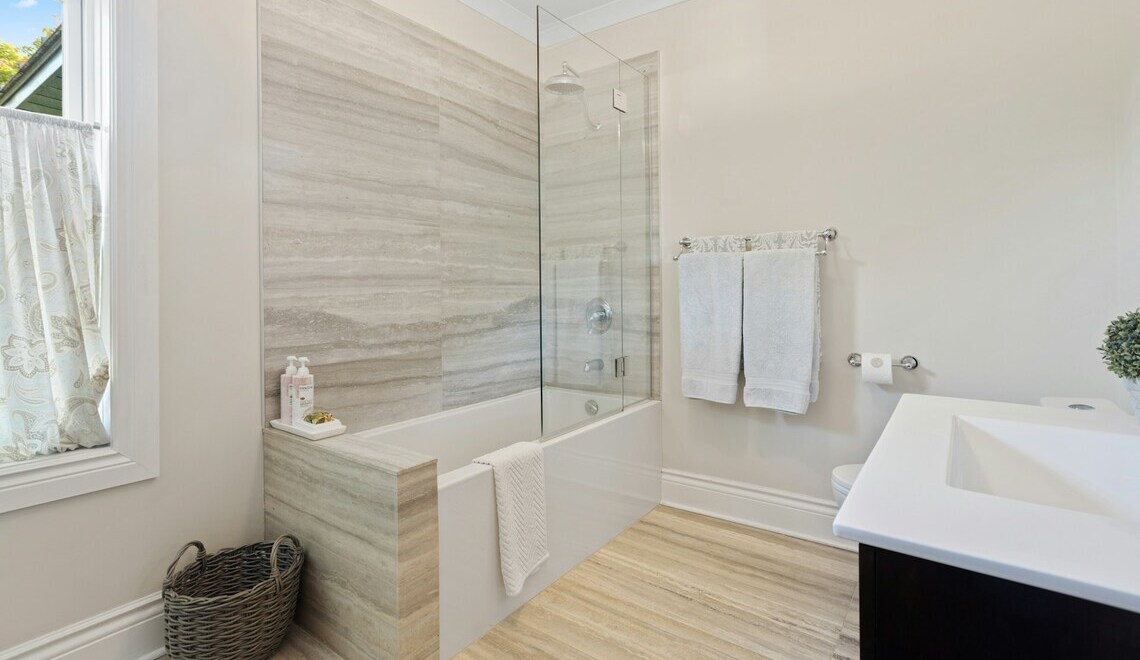
Few tile formats offer the creative flexibility and visual impact of bathroom mosaic tiles. Whether used as a full feature wall, a shower niche accent, or a decorative border running around the room, mosaics bring colour, texture, and personality to bathroom spaces in a way that larger format tiles cannot easily replicate. Modern mosaic tiles are available in an extensive range of materials, colours, and finishes, making it straightforward to find an option that suits any design style from bold and contemporary to soft and classic. This guide explores the different types of bathroom mosaic tiles and how to use them effectively.
Types of Mosaic Tile Materials
Bathroom mosaic tiles are produced in a wide variety of materials, each with its own aesthetic qualities and practical characteristics. Glass mosaics are among the most popular for bathrooms because they reflect light beautifully and create a luminous, spa-like atmosphere. Stone mosaics, including marble and travertine, bring natural warmth and texture but require sealing to protect against water and staining. Ceramic and porcelain mosaics offer excellent durability and water resistance at a lower price point than glass or stone. Metal and mixed-material mosaics are increasingly popular for contemporary bathrooms, combining finishes such as brushed stainless steel, copper, and gold to create a distinctive, high-end look.
Using Mosaics as a Feature Wall
A full feature wall clad in mosaic tiles is one of the most dramatic and effective ways to use this format in a bathroom. The wall behind a freestanding bath, the full height of a walk-in shower enclosure, or the wall above a vanity unit are all ideal locations for a mosaic feature. When using mosaics across a large surface, it is important to choose a design with sufficient visual cohesion to read well from a distance, as some intricate patterns can appear busy or chaotic when scaled up. Neutral mosaics with subtle texture variations tend to work particularly well on large surfaces because they add depth and interest without overwhelming the space.
Mosaic Tiles for Shower Areas
Shower areas present both a design opportunity and a practical challenge for tile selection. Mosaic tiles are an excellent choice for shower floors because their small size allows them to follow the floor’s curve toward the drain without excessive cutting. The greater number of grout joints in a mosaic floor provides more grip underfoot than larger-format tiles, which is an important safety consideration in a wet environment. For shower walls, glass or porcelain mosaics are the most practical options as they are fully impermeable and easy to clean. Ensure that the grout used in wet areas is waterproof and compatible with the specific tile material.

Mixing Mosaics With Larger Format Tiles
One of the most effective ways to use mosaic tiles in a bathroom is to pair them with larger-format tiles rather than use them as a standalone material. A common approach is to use large, plain porcelain tiles for most of the wall or floor area, with mosaic tiles as a decorative band, border, or inset panel to add visual interest. This combination allows the space to feel clean and uncluttered while still incorporating the texture and detail that mosaics provide. When mixing tile formats, ensure that the grout colours are consistent across both tile types to create a cohesive look, and plan the layout carefully to ensure that any pattern changes fall at logical points in the room.
Grouting and Maintenance Considerations
The grout joints in a mosaic tile installation require careful attention both during installation and in ongoing maintenance. Because mosaics have a much higher grout-to-tile area ratio than larger formats, the colour of the grout has a significant impact on the overall appearance of the finished surface. A grout colour that closely matches the tile tends to create a more seamless look, while a contrasting grout highlights the individual tiles and creates a more graphic effect. Epoxy grout is the most durable option for bathroom mosaic tiles and offers excellent resistance to staining, mould, and moisture. Regular cleaning with a suitable grout cleaner will maintain the appearance of the joints over time.
Installation Tips for Mosaic Tiles
Most mosaic tiles are supplied on mesh-backed sheets, which makes installation considerably more straightforward than placing individual tiles. However, achieving a consistent finish still requires careful preparation and attention to detail. The substrate must be flat and solid, as any unevenness beneath the mesh will telegraph through to the finished surface. Apply adhesive evenly using the correct notched trowel size for the tile thickness, and press each sheet firmly into position before the adhesive begins to set. Use spacers at the sheet joints to maintain consistent grout lines across the installation. Allow the adhesive to fully cure before grouting, and promptly clean any residual grout from the tile surface before it hardens.
Feature Image by Point3D Commercial Imaging Ltd.
More to Love!
Designing a Spa Retreat at Home: Integrating Saunas into Luxury Bathrooms
Why Every Modern Bathroom Needs a Bath Panel: Style Meets Functionality