SUBSCRIBE


The Unique Properties That Make Acetal Sheets So Reliable
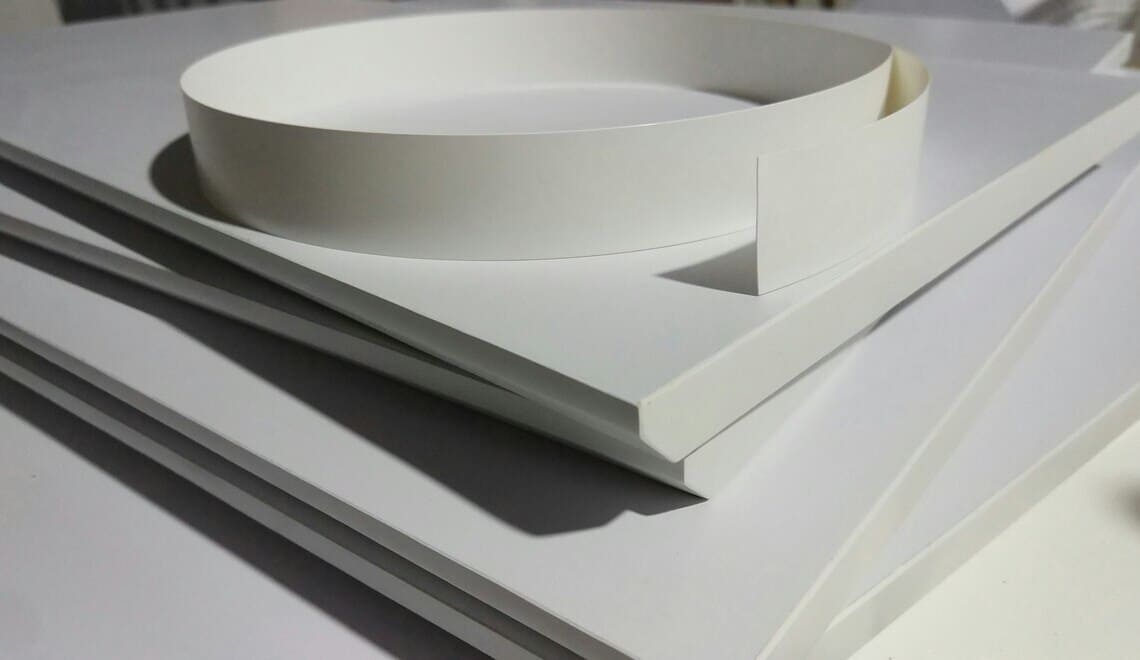
Acetal is one of those engineering materials that tends to go unnoticed until you understand exactly what it does. It’s a semi-crystalline thermoplastic known for its strength, low friction, and impressive dimensional stability. While it may not be as widely recognised as acrylic or polycarbonate, it has earned a solid reputation across engineering, manufacturing, and precision machining industries throughout the UK.
Whether you’re working on a mechanical component, a food-processing application, or a precision part, understanding what sets this material apart will help you make better decisions.
What Is Acetal and Why Does It Matter?
Acetal, also known as polyoxymethylene (POM), is a high-performance thermoplastic that sits firmly in the engineering plastics category. It comes in two main forms: homopolymer and copolymer. The copolymer variant is particularly valued for its chemical resistance and longer-term stability in demanding environments.
Acetal sheets are available in natural (white), black, and blue finishes, and can be sourced in both sheet and rod form. This variety makes them suitable for a broad range of applications, from structural components to precisely machined parts.
Mechanical Strength and Dimensional Stability
One of acetal’s most important characteristics is its high stiffness. It holds its shape well under load, which is why it’s frequently used in components that need to maintain tight tolerances over time. Many engineering plastics will soften or deform under sustained pressure, but acetal resists this effectively.
Its dimensional stability is another reason it’s trusted in precision machining. Parts produced from acetal will retain their measurements even when exposed to fluctuating temperatures or humidity levels. This makes it a dependable choice for applications where accuracy is non-negotiable.
Low Friction and Wear Resistance
Acetal’s low coefficient of friction is one of its most valuable qualities. It performs well in moving parts, such as gears, bearings, bushings, and rollers, where surfaces are in constant contact. The material doesn’t require constant lubrication to function, which reduces maintenance demands considerably.
Its wear resistance complements this well. Acetal can withstand repeated mechanical contact without significant surface degradation, making it useful in applications where longevity and consistency are priorities. This is particularly relevant in industrial settings across the UK where downtime can be costly.

Chemical Resistance and Common Applications
Acetal copolymer offers good resistance to a wide range of fuels, solvents, and weak acids. While it doesn’t perform well with strong oxidising agents, it holds up reliably in many everyday chemical environments. This makes it a practical choice in food processing, automotive, and fluid handling applications.
Common uses include:
- Gears and gear components
- Pump housings and impellers
- Valve bodies and fittings
- Conveyor and guide rails
- Electrical insulator components
Its ability to be precision machined also means components can be produced to very exact specifications, which is something that’s difficult to achieve consistently with many other plastic materials.
Machinability and Ease of Fabrication
Acetal machines cleanly and accurately. It can be drilled, milled, turned, and cut without the chipping or cracking that affects more brittle materials. For engineers and fabricators, this translates into faster production and fewer material losses during manufacturing.
It also produces a good surface finish after machining, reducing the need for secondary finishing processes. This combination of qualities makes it an efficient material to work with, both in small workshops and large-scale production environments.
Signing Off
Acetal’s reliability comes from a combination of properties that work well together: strength, low friction, dimensional accuracy, and ease of machining. These aren’t isolated features but connected qualities that make it a go-to material for precision engineering applications.
For anyone working with engineering plastics regularly, understanding what acetal offers will help you identify the right applications for it, and recognise where its limitations might apply.
More to Love!
How Construction Planning and Scheduling Software Streamlines Project Management?
Interior Design. Construction. Real Estate. All Your Home Needs at Desa Design Studio