SUBSCRIBE


The Color That Defines a Wardrobe Moment: Why Blue Workout Sets Are Having Their Era
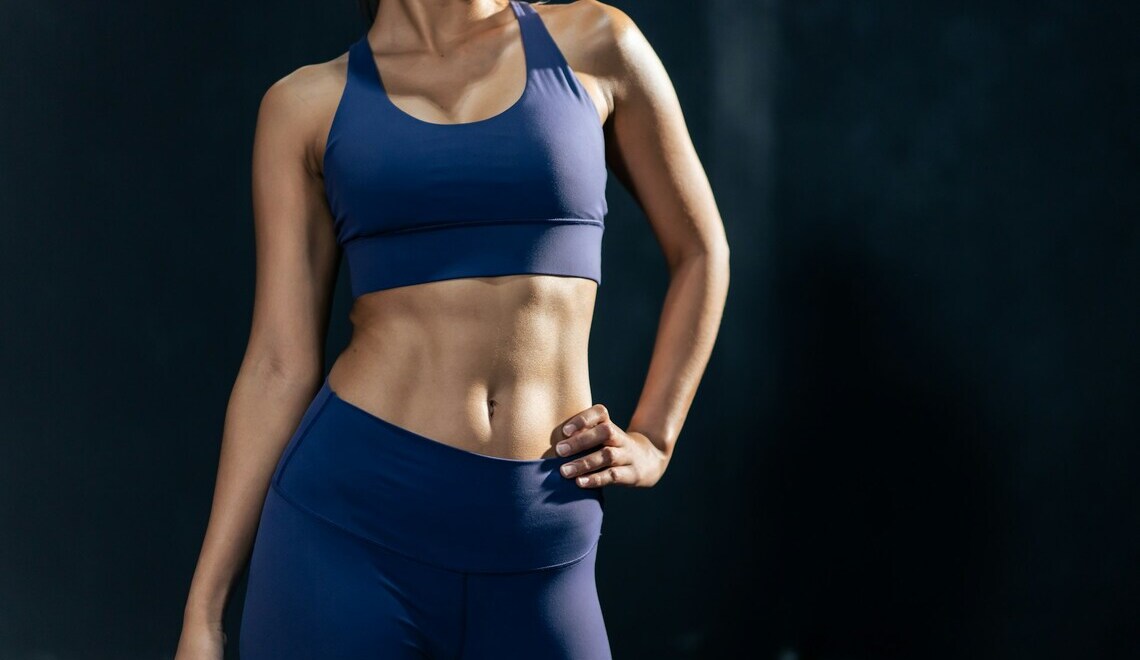
Every few seasons, athleisure produces a color story that crosses the divide from gym to street. This year, that color is blue. Not the assertive electric blues of past athletic eras, and not the navy that has anchored performance wear for decades. The blue defining the current athleisure moment is softer, more wearable, and surprisingly versatile. Powder blue, baby blue, dusty blue, and seafoam variations have replaced black and grey as the new neutral for women building a considered athletic wardrobe.
The shift matters because it changes how the matching set functions in a wardrobe. A black or grey workout set is functional. A well-chosen blue workout set is editorial. It is the piece that gets photographed, paired with denim for a coffee run, or layered under a cropped trench for shoulder-season errands.
Why Blue Took Over This Year
The cultural shift is real. The “quiet luxury” aesthetic that defined the previous fashion year carried into athleisure with surprising commitment. Designers and direct-to-consumer brands alike pivoted away from saturated brights and bold contrasts toward softer, more elegant color palettes that read as expensive rather than performance-coded.
Blue specifically benefits from this shift because it carries the right cultural associations. It reads as calm, considered, and elevated without being precious. It works with skin tones across the spectrum. It photographs beautifully in natural light. And most importantly, it crosses the wardrobe lines that black athletic wear cannot, looking equally at home in a yoga studio, a brunch table, and a Sunday flight.
The Set vs the Separate
The matching set has emerged as the form factor that does this color story the most justice. A blue sports bra alone reads as gym gear. A blue legging alone is just a legging. But a coordinated blue workout set reads as deliberate, intentional dressing, the kind of considered wardrobe choice that distinguishes someone with a sense of style from someone with a workout schedule.
The matching set also solves a practical wardrobe problem. Coordinating activewear pieces from different brands rarely works because subtle differences in fabric, dye lot, and silhouette become obvious when worn together. A well-designed set is engineered as a unit, with consistent fabric weight, coordinated stitching, and silhouettes that complement rather than compete.
Beyond the Blue: The Broader Matching Set Wardrobe
The matching set category extends well beyond a single color choice. The smart wardrobe approach is to anchor one season around a versatile collection of matching sets for women that includes multiple coordinated pieces in complementary tones. A blue set for the soft, elevated days. A muted earth tone for transitional weather. A clean black or charcoal for the working-out-actually days when performance is the priority.
This wardrobe approach treats matching sets as a system rather than a single purchase, which is how athleisure becomes a meaningful wardrobe category rather than a closet of one-off gym pieces. The investment compounds because each set works individually, and the collection works together as a cohesive aesthetic.

What to Look for in a Well-Made Set
The current athleisure market is wide on quality. Some sets are barely better than fast-fashion gym wear in a trendy color. Others are genuinely engineered apparel that earns its place in a wardrobe across multiple seasons. The differences come down to four practical factors.
Fabric weight is the first marker. Cheap sets use thin, sheer fabric that loses opacity when stretched and shows wear within months. Quality construction lands in the 220-to-260 gsm range, opaque under stress and durable across washing cycles.
Seam construction is the second. Flatlocked seams resist chafing during movement and survive washing without curling. Serged or simple-stitch seams are the budget shortcut and the first thing to fail.
The fit pattern is the third. A set should be designed as a unit, with the top and bottom drafted from the same fit model so the proportions read as deliberate. Mass-market sets often combine generic tops with generic bottoms, and the result looks unintentional.
Color matching across the pieces is the fourth and most overlooked. Dye lots vary, and pairs that ship together are guaranteed to match. Pieces purchased separately, even from the same brand, often drift in hue and ruin the coordinated look.
How the Blue Set Fits Into a Wardrobe
The versatility of a quality blue set is what justifies the investment over a cheaper alternative. Worn together, it functions as athletic wear or athleisure outfit depending on accessories. The top paired with denim shorts and white sneakers becomes a summer street outfit. The bottoms paired with a fitted white tee and slide sandals work for travel days. The set under an oversized cardigan with loafers transitions into autumn casual.
This wardrobe flexibility is what separates a well-chosen athletic purchase from a generic one. A black gym set has one job. A considered blue set has six or seven, and the per-wear cost drops accordingly.
The Shopping Decision
For women considering whether to invest in the category, the answer comes down to use case. Owners who already wear matching sets weekly will get immediate per-wear value from upgrading to a quality color-coordinated piece. Owners who are skeptical of athleisure dressing entirely should start with a versatile color like soft blue, sage, or ivory, which transitions across contexts more gracefully than the workout-coded blacks and brights. Either way, the matching set has become a wardrobe staple that earns its place through versatility rather than performance specs alone, and the current blue moment is one of the easiest entry points into the category.
More to Love!
Get This Summer’s Must-Have Sporty Glam Look with WISKII Active
Nike Outfits for Every Occasion: Sporty Versus Stylish