SUBSCRIBE


How Recycled Composites Are Redefining the Luxury Indoor-Outdoor Flow
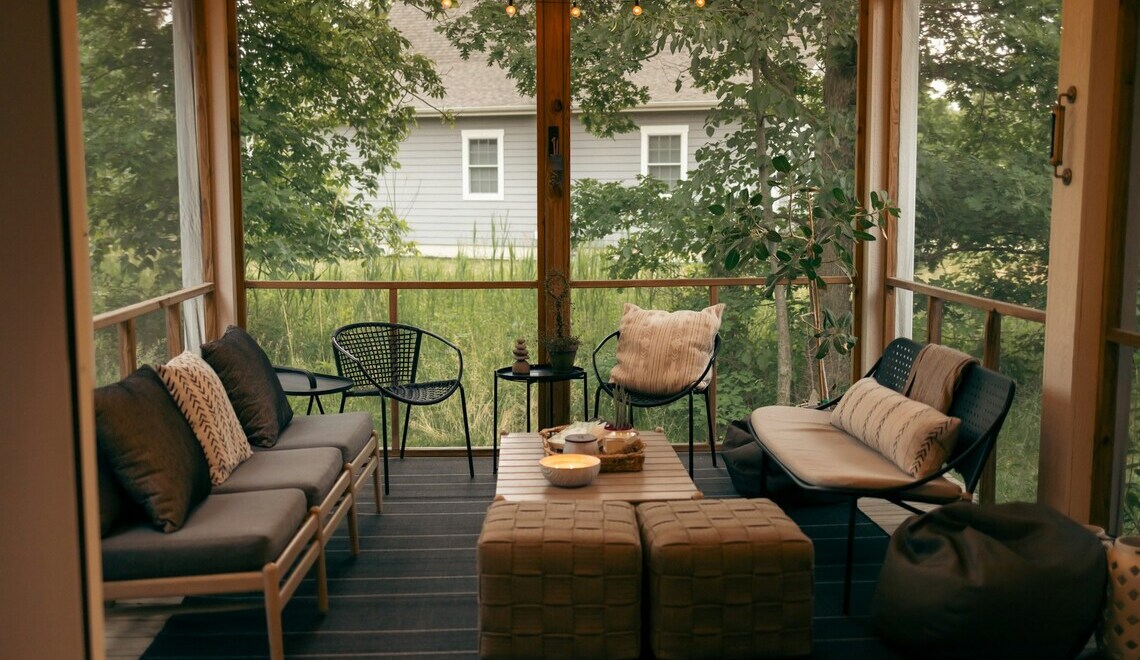
The hallmark of high-end British architecture is no longer the grand entryway, but the indoor-outdoor flow. As we seek to expand our living footprints without the upheaval of traditional extensions, the transition from the kitchen-diner to the terrace has become the most critical design juncture in the home.
Historically, achieving a luxury aesthetic required the use of exotic hardwoods, IPE, Cumaru, or Teak, harvested from distant rainforests at a significant environmental and financial cost. Today, however, a new era of sustainable splendour has arrived. Recycled composites have evolved to a point where they often surpass them in both performance and visual depth, allowing homeowners to create seamless transitions that respect the planet.
The numbers reflecting this shift are staggering. According to this year’s European WPC Market Analysis, recycled content in premium decking has reached an industry average of 92% to 95%, diverting hundreds of thousands of tonnes of plastic and timber waste from UK landfills annually.
This is a design-led revolution. By using reclaimed wood fibres and post-consumer polymers, manufacturers can control the colour-fastness of a board in ways nature cannot. That the deep Anthracite or cool Silver Birch you select to match your internal flooring remains identical for twenty-five years, maintaining that crucial visual continuity that defines modern luxury.
From Silver Birch to Antique Walnut
The colour choices were often flat, monochromatic, and undeniably synthetic in the early days of composite materials. Today, digital surface patterning and multi-tonal co-extrusion have changed the game. The current market is dominated by nature-mimicking palettes that are specifically designed to coordinate with high-end interior finishes.
Silver Birch, with its cool, ashen undertones, has become the go-to for homeowners with light oak or grey-washed internal flooring. Meanwhile, Antique Walnut and Spiced Oak offer the variegated, high-low tonal shifts found in expensive tropical hardwoods, providing a warmth that anchors a garden space even during the bleakest British winter.
These palettes are engineered to solve the clash often found in traditional landscaping. When you open your bi-fold doors, the eye should see a continuation of the floor plane, and not a change in material.
To achieve this, these synthetic decking ranges feature a matte-micro finish that reduces the plastic-like sheen of older boards. According to design experts at the Landscape Institute, the use of chromatic matching, where the deck colour is within two shades of the interior floor can make a room feel up to 20% larger by tricking the brain into ignoring the threshold.
This level of aesthetic precision, combined with the knowledge that no ancient forests were razed for the privilege, represents the new standard of luxury.
From Milk Bottles to Masterpieces
There is a common misconception that recycled means inferior. This isn’t true. The process of creating a luxury board is a feat of advanced engineering. By combining wood flour (a byproduct of the timber industry) with recycled high-density polyethylene (HDPE) from items like milk bottles and detergent containers, manufacturers create a material that is structurally superior to raw timber. It does not rot, it does not warp, and it is virtually impervious to the moisture-heavy climate that eventually destroys even the toughest tropical hardwoods.
The Life Cycle Assessment (LCA) of these materials is the primary draw for the environmentally conscious homeowner. A 2025 study published by the Green Building Council highlighted several key sustainability metrics for modern composites:
- Deforestation Prevention: One average-sized composite deck saves approximately two mature trees that would otherwise be harvested for timber.
- Waste Diversion: A standard 30-square-metre deck repurposes roughly 3,000 to 5,000 plastic bottles and several hundred kilograms of reclaimed wood fibre.
- Chemical-Free Longevity: Unlike softwood, which requires annual applications of toxic stains and biocides, composite boards require only soap and water, preventing chemical runoff into garden soil.
- Carbon Footprint: Domestically produced UK composites significantly reduce material miles compared to hardwoods shipped from South America or South East Asia.

Why Hardwood is Losing the Luxury Race
While the romanticism of real wood persists, the practical reality of maintaining exotic timber in the UK is a significant deterrent for the modern homeowner.
Hardwoods like IPE are notoriously difficult to work with because they are so dense they often sink in water and require specialised pre-drilling and carbide-tipped tools.
More importantly, they are temperamental. Without constant oiling, they fade to a patchy silver-grey and can develop checking or surface cracks.
This degradation breaks the flow in a luxury indoor-outdoor setup, as the outdoor section quickly begins to look aged compared to the pristine interior.
High-end recycled composites are designed with a shield or “cap that is co-extruded with the core. This polymer layer contains advanced UV-inhibitors that ensure the colour remains stable within a 3% to 5% margin over decades. From a technical standpoint, these boards also offer a consistent Pendulum Test Value (PTV) for slip resistance, which is critical for the wet British climate. While a wet hardwood deck can be as slippery as ice, a textured composite board provides a reliable grip. This safety-first” luxury ensures that the outdoor flow is functional 365 days a year.
More to Love!
What Makes Eco-Friendly Residential Living More Attractive Today
The Secret to Jaw-Dropping Mansion Landscaping