SUBSCRIBE


7 Trending Fragrance Notes Everyone Is Talking About This Year
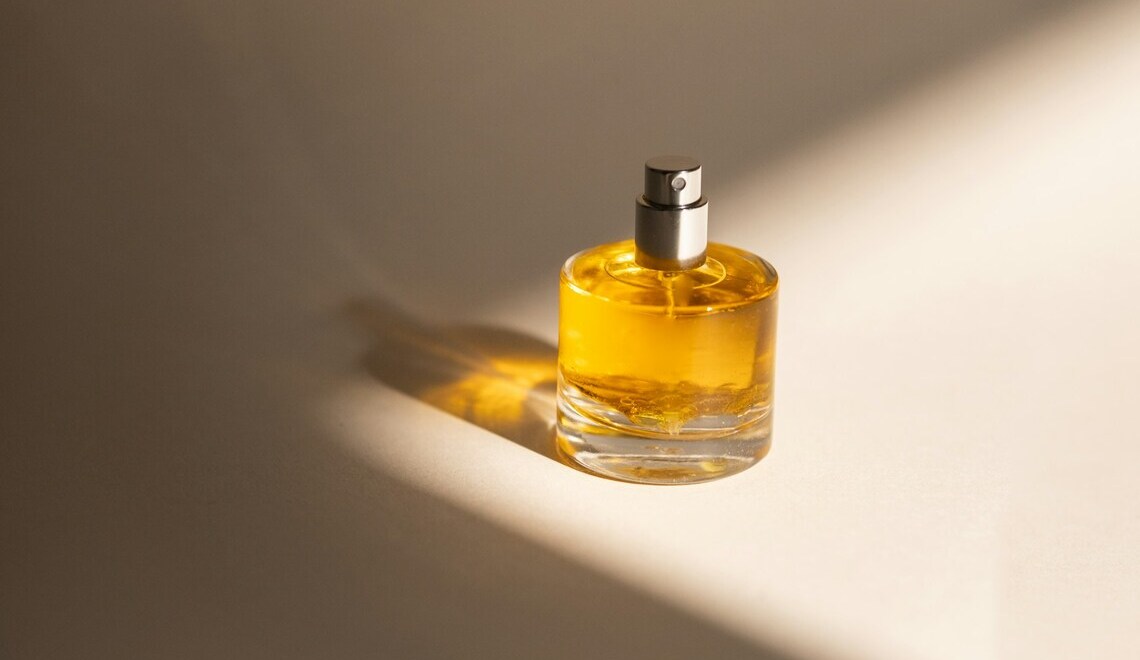
According to Fortune Business Insights, the global perfume market is projected to reach approximately USD 53 billion in revenue in 2025, with forecasts pointing to growth beyond USD 77 billion by 2032. That kind of momentum doesn’t happen without serious shifts in what people want to smell, and right now, the fragrance notes in perfume driving that growth are more interesting, more layered, and more unexpected than they’ve been in years.
Shoppers aren’t just reaching for the same vanilla-and-rose bottle they’ve worn since college. They’re hunting for complexity, mood-enhancing qualities, and olfactory experiences that feel genuinely personal. Whether someone is deep into TikTok-led discovery or a longtime niche fragrance fan, the notes getting the most attention this year tell a clear story about where the industry is heading.
Here are the seven fragrance notes generating the most buzz right now, why each one is resonating, and what to know before you buy.
What Are Fragrance Notes in Perfume, and Why Do They Matter?
Fragrance notes are the individual scent components that make up a perfume, organized into three layers: top notes, heart (middle) notes, and base notes. This structure, known as the olfactory pyramid, was formalized by French perfumer Jean Carles in the early 20th century and remains the foundational framework for how perfumes are built and experienced today.
The Three Layers at a Glance
- Top notes hit first and evaporate fastest, usually within 10–30 minutes. Think citrus, bergamot, green herbs. Brands like Jo Malone London and Atelier Cologne build entire collections around vibrant, top-note-forward profiles.
- Heart notes emerge once the top fades and form the emotional core of the scent: florals, spices, soft fruits. These last anywhere from 20 minutes to a few hours. Houses like Diptyque and Byredo are particularly admired for their complex, distinctive heart notes.
- Base notes are the deepest layer, revealing themselves fully during the “dry-down” and lingering for hours or even days on fabric. Woods, musks, resins, and ambers live here. Le Labo and Frederic Malle are well-known for crafting especially rich, memorable base-note compositions.
Understanding where a note sits in the pyramid changes how you shop. A perfume that smells citrusy on the blotter might be all warm sandalwood on your skin two hours later. Knowing the perfume fragrance notes listed on a bottle helps predict that arc and find something worth committing to.
A Quick Guide: Where Trending Notes Sit in the Pyramid
| Fragrance Note | Pyramid Position | Longevity on Skin | Best Paired With |
|---|---|---|---|
| Gourmand (vanilla, caramel) | Heart / Base | 4–8 hours | Spice notes, woods |
| Oud | Base | 6–12+ hours | Rose, citrus, amber |
| Clean Musk | Heart / Base | 4–6 hours | Florals, green notes |
| Boozy (Cognac, rum) | Heart | 3–5 hours | Vanilla, leather, wood |
| Dark Florals | Heart | 2–5 hours | Patchouli, incense, oud |
| Milky / Rice Accords | Heart / Base | 4–7 hours | Light musks, soft woods |
| Petrichor / Earthy | Base | 5–10 hours | Woods, vetiver, green |
How to Identify the 7 Fragrance Notes Getting the Most Attention
1. Gourmand Notes: Sweet With Unexpected Depth
Gourmand fragrances, built around edible-inspired notes like vanilla, caramel, chocolate, cherry, and espresso, remain popular, but newer releases feel darker and more textured than traditional sweet scents. Instead of focusing purely on sugary accords, brands are blending gourmand notes with smoky woods, spices, leather, and roasted elements to create more balanced compositions.
The appeal isn’t just nostalgia, though that’s part of it. Gourmand notes hit a comfort-seeking nerve that feels current. Saffron and cardamom are increasingly layered into these profiles to add warmth and prevent the sweetness from tipping into cloying territory. Mugler (Angel, Alien) essentially built its identity on gourmand, while Kayali and Sol de Janeiro have brought the category to a younger, more diverse audience through layerable body mists and bold EDP formulations.
2. Oud: From Niche to Mainstream Luxury
Oud, a resinous, woody material derived from the heartwood of Aquilaria trees, has been central to Middle Eastern perfumery for centuries. Its rise in Western luxury markets is accelerating. Rich and deeply complex, oud works particularly well when paired with contrasting notes: florals that soften its intensity, or citrus that opens it up for lighter wear. Tom Ford (Oud Wood), Maison Francis Kurkdjian (Oud Satin Mood), and Initio Parfums Privés are among the most referenced names when shoppers start exploring this territory.
Ethical sourcing is now a real conversation around oud. Aquilaria trees only produce the resin when infected by a specific mold, making truly wild oud extremely rare. Buyers interested in this note are increasingly paying attention to sustainability certifications and transparency from brands. Niche retailers, like Aurora Scents, tend to carry a more carefully vetted selection of oud-forward fragrances alongside detailed sourcing information, which makes them a practical starting point for anyone new to the note.
3. Clean Musk: The “Your Skin But Better” Effect
Clean musks are having a major moment. Unlike the heavy synthetic musks that defined the late ’90s, modern musk formulations are sheer, skin-close, and intentionally subtle. The goal is what insiders call the “your skin but better” effect: a scent that reads as warmth and presence rather than a specific ingredient. Glossier (You), Maison Margiela Replica (Flower Market), and Narciso Rodriguez (For Her) are frequently cited as benchmarks in this category.
Synthetic musks in the clean category are expected to trend “for the foreseeable future,” according to fragrance expert Darryl Do of Delbia Do Fragrances, as quoted in industry coverage by Who What Wear. Natural and organic fragrance compositions are expected to grow at approximately 9.77% CAGR in 2026-2034, driven largely by buyers who frame scent as a wellness ritual.
4. Boozy Notes: Cognac, Rum, and Whisky in Your Perfume
This one catches people off guard. Boozy fragrance notes, derived from or inspired by Cognac, rum, and whisky, have been surging since late 2024 and continued gaining traction through 2025. These aren’t literally alcoholic smells; they contribute warmth, a slight sweetness, and a woody roundness that makes a scent feel grown-up and complex. Yves Saint Laurent (Y EDP), Kilian Paris (Apple Brandy), and Amouage explore this territory particularly well, each using boozy accords differently to shape the character of the dry-down.
They work because alcohol-adjacent notes behave like a bridge in the pyramid: they deepen base-note woods while keeping heart-note florals or fruits from reading as overtly sugary. The result is something that feels simultaneously indulgent and refined, which is exactly the register that luxury fragrance buyers are chasing right now.
5. Dark Florals: Rose and Jasmine, Rerouted
The clean, powdery rose many people grew up with is giving way to darker, denser floral interpretations. Jasmine that leans slightly animalic, rose built on a bed of patchouli and incense, tuberose with a near-narcotic depth: these are the florals getting serious attention in niche houses and starting to filter into mainstream launches.
Serge Lutens (Sa Majesté la Rose), Juliette Has a Gun (Not a Perfume Superdose), and Etat Libre d’Orange have long been go-to references here. More recently, Chanel entered the conversation with Chance Eau Splendide, which layers raspberry and rose in a way that skews darker than their usual style.
Cosmetics Business reported that fragrance is the single beauty category currently bucking the decline across skin care and makeup, up 8% year-on-year as of April 2025, and dark, modern florals are a significant part of that story, particularly among younger buyers who want floral without “old-fashioned.”
6. Milky and Rice Accords: Soft, Skin-Like Comfort
Milky and rice-based accords represent something newer on this list: soft, almost powdery notes that evoke warmth without sweetness. They sit primarily in the heart and base, offering a quietly comforting effect that’s harder to pin down than a straightforward vanilla.
Maison Margiela (Replica’s Cotton Club) was an early and widely referenced example of this direction. Shiseido (Zen), L’Occitane en Provence, and smaller niche houses have since explored rice and milky accords with their own interpretations. These notes appeal to wearers who find traditional gourmands too heavy but still want something enveloping. Minimalist collectors and buyers looking for a calm, intimate dry-down are the core audience here.
7. Petrichor and Earthy Accords: Nature’s Most Atmospheric Smell
Petrichor, the distinctive scent of rain on dry earth, has entered the conversation as a genuine fragrance building block. Alongside mossy, herbal, and aged-wood accords, earthy notes are satisfying a growing consumer desire for grounded, nature-inspired experiences. Comme des Garçons (Wonderwood, Hinoki), Hermès (Jardin series), and DS & Durga have each built well-known compositions around atmospheric, nature-derived accords that touch on this territory.
Biotech-derived petrichor accords allow perfumers to capture that fleeting atmospheric smell reliably and sustainably. These notes land almost exclusively in the base, so they show up slowly and stick around, which is part of their appeal for wearers who prefer a scent that changes meaningfully over the course of a day.
How Do You Layer Fragrance Notes for the Best Result?
Layering, or applying two or more fragrances intentionally to build a more complex profile, is one of the most accessible ways to experiment with fragrance notes in perfume without buying an expensive bottle blind. Here’s a practical process for doing it well:
- Start with your base. Apply your heaviest, most long-lasting scent first: something woody, musky, or resinous. Let it sit for 2–3 minutes.
- Add a heart-note-forward fragrance. A floral or spiced scent applied next will have something warm to “rest on,” which extends its lifespan and softens it.
- Finish with a top-note-forward spray. Citrus, green, or light fruity sprays go last, giving the opening brightness without overwhelming the deeper layers.
- Test on skin, not fabric. Your skin chemistry affects how notes develop. What smells like a clean musk on a blotter can read differently on warm skin.
- Give it 20–30 minutes before evaluating the combination. The top notes will fade, and the real character of the layered blend will emerge.
Layering is particularly effective when combining a clean musk or milky accord (grounding and skin-close) with a dark floral or boozy heart note. The combination reads as intentional complexity rather than competing scents.
Choosing the Right Trending Note for Your Preferences
The best fragrance note isn’t the most popular one. It’s the one that works with your skin, your lifestyle, and the impression you want to leave. Gourmand and milky accords suit people who gravitate toward warmth and comfort. Oud and dark florals skew toward those who want presence and complexity. Clean musks appeal to wearers who prefer subtlety and proximity rather than projection.
Trying any of these seven notes is worth the time, especially given that the fragrance market is moving toward more personalized, emotionally resonant compositions. A good starting point is identifying which pyramid layer you want to anchor the scent: base-heavy for something that lasts all day, heart-forward for something that changes beautifully over a few hours.
Explore perfume fragrance notes across these trending families, test a few on skin, and build from there. The most memorable scents are rarely the most obvious ones.
FAQ
Can a single perfume contain more than one of these trending notes?
Yes, and most modern launches deliberately combine two or three trending notes in the same bottle. A gourmand base might carry a dark floral heart; a milky accord can underpin a boozy mid-note. Multi-note complexity is a genuine selling point in today’s market, as consumers are actively looking for perfumes that “reveal themselves” differently over the course of wear.
Are synthetic fragrance notes worse than natural ones?
Not necessarily. Many synthetic musks (like ambroxan) are more consistent, longer-lasting, and more sustainably produced than their natural counterparts. Natural oud, for example, is genuinely rare and costly, while high-quality synthetic oud can closely replicate its profile. The debate between natural and synthetic in perfumery is nuanced, with both having real trade-offs in terms of performance, cost, and environmental impact.
How long should I wait after spraying before judging a perfume?
At least 20–30 minutes for the heart notes to emerge fully, and ideally 2–3 hours to evaluate the dry-down and base. Many perfumes that seem unimpressive on the blotter or in the opening become genuinely beautiful an hour in, which is why wearing a sample through a full day is more reliable than a quick test at a counter.
Do trending fragrance notes work the same way in different concentrations, like EDT vs EDP?
The same notes behave differently depending on concentration. An oud or dark floral in an Extrait de Parfum will be richer and more long-lasting than the same accord in an EDT. Gourmand and milky notes tend to shine in higher concentrations where the warmth and sweetness have room to develop properly. If you’re specifically chasing base-note-heavy trends, higher concentration formats are worth trying.
What’s the difference between petrichor as a note and “green” or “earthy” notes more generally?
Petrichor specifically refers to the atmospheric, mineral-edged smell of rain falling on dry earth. It has a particular damp, ozonic quality that differs from simple green or mossy accords. Green notes tend to be fresher and lighter (freshly cut grass, cucumber, fig leaf), while earthy accords often suggest soil, roots, or forest floors. Petrichor sits between them: more atmospheric and temporary-smelling, even when synthesized for long wear.
Is fragrance layering something you can do with any combination of notes, or are some combinations risky?
Most combinations are safe from a skin perspective, though some can clash tonally. Notes that tend to work against each other: heavy oud with sharp citrus top notes (the citrus gets lost), or sweet gourmands layered over very dry, bitter musks (they compete rather than complement). A useful rule is to layer notes from the same quadrant of the fragrance wheel, orientals with orientals and fresh notes with clean musks, before experimenting across families.
How do I know if a perfume’s listed fragrance notes accurately represent how it smells?
Note lists on perfume bottles and brand websites are partly descriptive, partly aspirational. They reflect the intended direction of the scent but not necessarily every detectable ingredient. Ambroxan, for instance, is often present in “clean musk” scents but rarely listed. Testing on skin remains the most reliable way to evaluate what you’re buying: a fragrance’s note list is a starting point, not a guarantee.
More to Love!
From Ancient Origins to Modern Elegance: the Story of Musk Perfumes
The Ultimate Guide to Oil Perfumes: Enduring Fragrance Secrets