SUBSCRIBE


The 8 Best Ways to Layer Texture Like a Professional Interior Designer
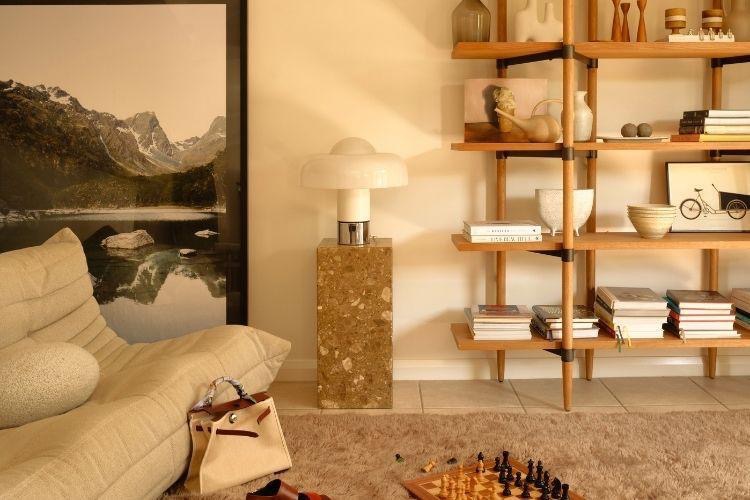
When people talk about beautiful interiors, colour often gets most of the attention. Yet many professionally designed homes owe their warmth, depth, and visual interest to something less obvious: texture.
Texture makes a room feel inviting. It adds dimension, creates contrast, and helps spaces feel curated instead of staged. From soft upholstery and natural fibres to stone, timber, and woven accents, thoughtful layering can transform even the simplest room into a sophisticated retreat.
For homeowners, property developers, and real estate professionals, texture also plays an important role in perceived value. Well-designed interiors can make spaces feel more luxurious, comfortable, and memorable, qualities that often influence how people experience a home.
Here are eight designer-approved ways to layer texture like a professional.
1. Start With a Natural Foundation
Professional designers focus on foundational elements that establish the room’s overall feel.
Flooring and rugs are among the most effective places to introduce texture. Natural fibre rugs, in particular, provide visual warmth while adding subtle variation that instantly makes a room feel more grounded.
Jute remains a popular choice because of its organic appearance and versatility. Collections from double demonstrate how natural fibres can complement a wide range of interior styles, from coastal and contemporary spaces to modern organic homes.
Starting with textured foundations creates a strong base that makes every layer added afterwards feel more intentional.
2. Mix Soft and Hard Surfaces
One of the most common mistakes in interior design is relying too heavily on a single material category.
Rooms filled exclusively with soft furnishings can feel overly relaxed, while spaces dominated by hard materials may appear cold or sterile. Designers create balance by combining contrasting surfaces.
For example, a living room might pair:
- A linen sofa
- A marble coffee table
- Timber shelving
- Ceramic accessories
- A woven rug
The contrast between smooth and textured finishes creates visual movement throughout the space.
Research from environmental psychology studies suggests that varied sensory experiences within built environments can contribute to greater comfort and positive emotional responses, making material diversity more than just an aesthetic choice.
3. Layer Different Textiles Throughout the Room
Textiles are one of the easiest ways to introduce texture without major renovations.
Professional designers often use multiple fabrics within a single space rather than relying on matching materials throughout.
A well-layered room may include:
- Linen curtains
- Bouclé accent chairs
- Cotton cushions
- Wool throws
- Velvet decorative accents
The goal is not to make every textile stand out individually. Instead, they should work together to create depth and richness.
This approach is particularly effective in open-plan homes, where layered fabrics help define living zones while maintaining visual cohesion.
4. Embrace Natural Materials
Natural materials continue to dominate luxury residential design, and for good reason.
Timber, stone, wool, cotton, and jute all contain subtle imperfections that add character. Unlike synthetic surfaces, which often appear uniform, natural materials introduce variation that creates visual interest.
This trend aligns with the growing popularity of biophilic design, a concept that incorporates natural elements into built environments. Research published by the International WELL Building Institute has linked nature-inspired interiors with improved occupant wellbeing and comfort.
Double’s focus on natural fibre rugs reflects this broader movement toward organic materials that help create calming, lived-in spaces.
5. Use Texture to Create Contrast in Neutral Rooms
Many luxury interiors rely on neutral colour palettes. However, neutral spaces can quickly feel bland if texture is overlooked.
Professional designers compensate for limited colour variation by increasing material variation.
For example, a room featuring beige walls and cream furnishings may include:
- Textured plaster finishes
- Ribbed ceramics
- Woven baskets
- Natural wood furniture
- Layered rugs
The result feels sophisticated rather than monotonous.
This strategy is particularly valuable in high-end property styling, where neutral colour schemes appeal to a broader audience while textured elements add personality and warmth.
6. Incorporate Organic Shapes and Handcrafted Pieces
Texture is not limited to material selection. Shape and form also contribute to how a room feels.
Handcrafted furniture, artisanal ceramics, and sculptural decor often feature irregular surfaces that add visual texture without overwhelming a space.
Consider incorporating:
- Handmade pottery
- Carved timber furniture
- Textured wall art
- Woven lighting fixtures
- Hand-finished decorative objects
These pieces create subtle imperfections that make interiors feel authentic rather than overly polished.
In residential real estate, this sense of authenticity can be particularly appealing as buyers increasingly seek homes that feel unique and personalised.
7. Don’t Forget Vertical Surfaces
When people think about texture, they often focus on furniture and flooring. Yet some of the most impactful opportunities exist on walls and other vertical surfaces.
Designers frequently add texture through:
- Limewash finishes
- Timber wall panelling
- Textured wallpaper
- Decorative mouldings
- Fabric wall coverings
These treatments create depth without requiring additional furniture or accessories.
They can also help larger spaces feel more intimate, an important consideration in modern homes where open layouts sometimes risk feeling cavernous.
8. Layer Textures Gradually Rather Than All at Once
One hallmark of professional interior design is restraint.
A room filled with too many competing textures can feel cluttered and chaotic. Successful layering involves creating a hierarchy where some elements take centre stage while others provide subtle support.
Designers often begin with major pieces such as rugs, sofas, and window treatments before introducing smaller accents.
For example, a natural fibre rug from Double might establish the room’s textural foundation, while cushions, throws, ceramics, and decorative objects add depth in measured amounts.
This gradual approach allows each element to contribute to the overall design without competing for attention.
Wrapping Up
Texture is one of the most powerful tools in interior design, yet it is often overlooked in favour of colour and furniture selection. By layering natural materials, mixing contrasting surfaces, incorporating diverse textiles, and introducing handcrafted details, homeowners can create spaces that feel more inviting, luxurious, and visually engaging.
The most successful interiors are rarely defined by a single statement piece. Instead, they rely on thoughtful combinations of materials and finishes that work together to create depth and character. When you’re designing a forever home, styling a property for sale, or simply refreshing a room, mastering texture is one of the most effective ways to achieve a professionally designed look.
References
American Society of Interior Designers. (n.d.). Design impacts lives.
International WELL Building Institute. (2024). The WELL Building Standard.
Kellert, S. R. (2018). Nature by design: The practice of biophilic design. Yale University Press.
Steg, L., van den Berg, A. E., & de Groot, J. I. M. (Eds.). (2019). Environmental psychology: An introduction (2nd ed.). Wiley-Blackwell.World Green Building Council. (2014). Health, wellbeing and productivity in offices: The next chapter for green building. World Green Building Council. https://www.worldgbc.org
Feature Image by Double
More to Love!
The New Opulence: 10 Luxury Interior Design Trends Defining 2026
Paintings and Artwork in Modern Interior Design