SUBSCRIBE


What Provenance Really Means for Premium Supplements
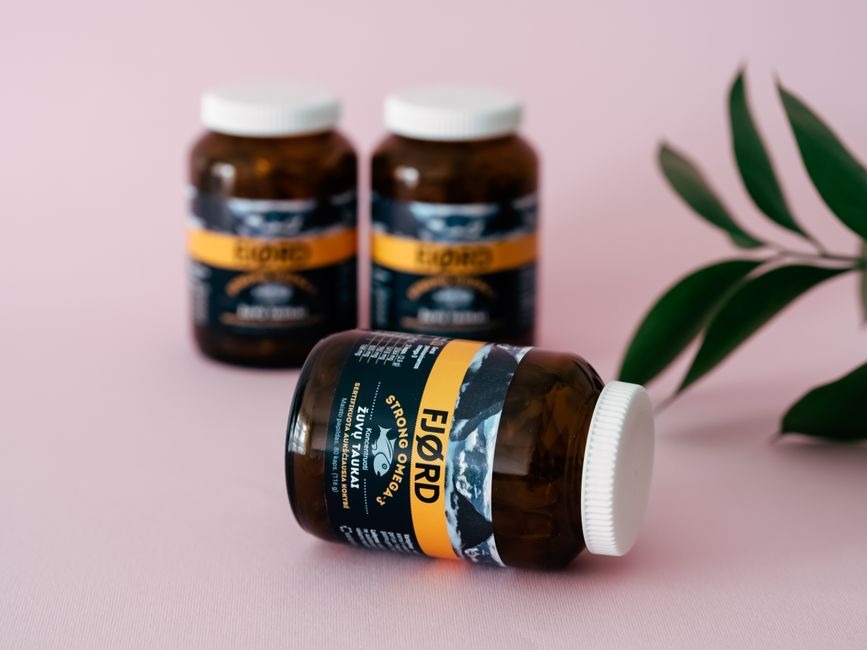
A discerning eye looks past the surface. You read the seam of a jacket, the grain of a table, the provenance of a painting. The label shows what a maker wants you to see. The making shows what they actually did.
Supplements deserve the same gaze. The pretty bottle on a shelf hides a long story of sourcing, blending, testing, and packing. A maker like Superior Supplement Manufacturing writes that story behind the scenes, producing products under another brand’s name. Knowing how that work is done tells craft from clever marketing.
Why Should the Maker Matter as Much as the Label?
The brand on the front is rarely the company in the factory. Many wellness labels design and sell, then hire a contract manufacturer to formulate and produce.
That arrangement is normal and often wise. A specialist plant runs the quality systems, testing labs, and trained staff a small brand cannot build alone. The maker, not the marketer, sets the daily standard.
This is why oversight starts at the source. A label can promise purity. A factory either delivers it or does not.
Think of it the way you judge fine tailoring. The name sewn inside matters less than the house that cut the cloth. Discerning buyers read both, and they value trustworthy wellbeing and beauty advice over loud claims.
What Does Contract Manufacturing Actually Involve?
Contract manufacturing is the quiet engine behind most supplement brands. One company handles the science and the production so the brand can focus on its story. The work moves through clear, ordered stages.
Here is how a typical product reaches the bottle:
- Formulation. Chemists translate a brand’s idea into a precise recipe, fixing each ingredient and its amount.
- Sourcing. Raw materials arrive from suppliers, each batch logged for identity and purity.
- Testing on intake. Incoming ingredients are checked before they ever enter a blend.
- Blending and forming. The mix becomes capsules, tablets, powders, or gummies under controlled conditions.
- Packaging and labeling. The finished product is sealed, labeled, and matched to its production record.
Each step leaves a paper trail. That trail is the proof of provenance, the same way a gallery keeps the history of a canvas. A serious maker can show you exactly where every gram came from and went, the same care you bring to choosing ingredients your skin craves.
A founder in 2015 might start with one product. A capable plant lets that idea scale without losing the recipe. Good systems keep the hundredth batch as honest as the first.

How Do Certifications Separate Proof From Promises?
A certification is a third party saying the work was checked. That outside review separates a claim from a confirmed fact. Anyone can print the word “pure” on a box.
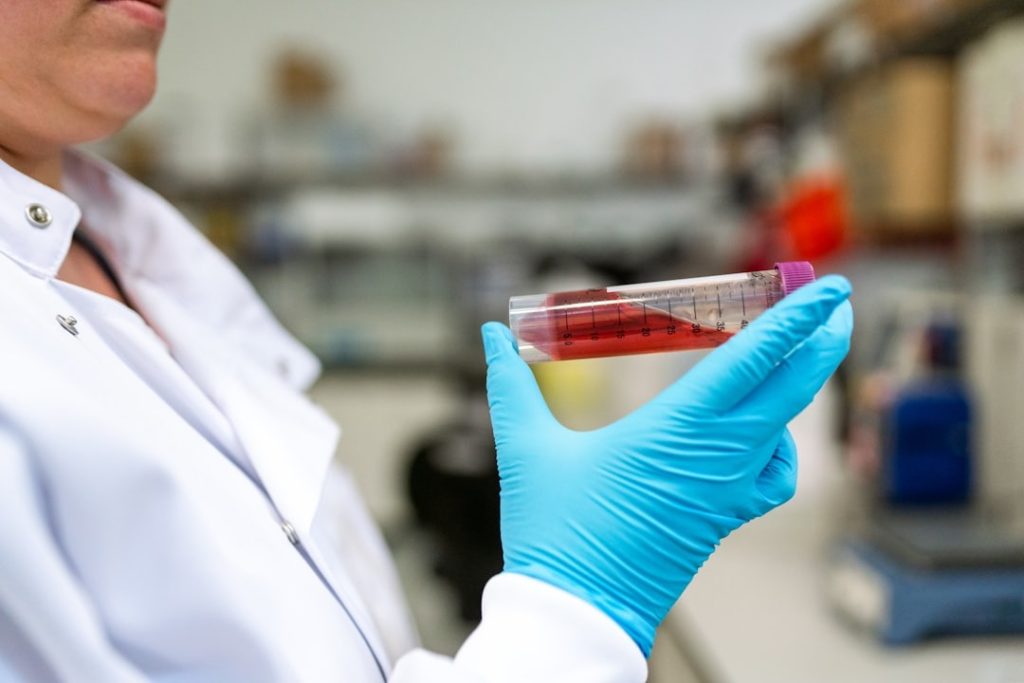
Start with the baseline set by regulators. In the United States, supplements fall under a manufacturing rule known as 21 CFR Part 111, finalized in 2007. It requires makers to verify identity, purity, strength, and composition, and to guard against contaminants.
That rule matters because the safety net is thinner than many assume. The National Center for Complementary and Integrative Health notes that the oversight of dietary supplements is less strict than the rules for prescription drugs. It also warns that what a label lists may not match what is inside.
This is where global quality standards earn their keep. The World Health Organization describes good manufacturing practice as a system for producing goods consistently to set quality standards. It targets three classic failures: contamination, wrong labels, and the wrong amount of an active ingredient.
Voluntary marks add another layer. NSF certifies supplements to NSF/ANSI 173, the only American National Standard for the category. A USDA Organic seal, meanwhile, confirms that ingredients were grown under organic farming practices.
Three layers of assurance are worth tracing:
- The regulatory baseline. 21 CFR Part 111 sets the legal floor every maker must meet.
- The global standard. Good manufacturing practice keeps each batch consistent and controlled.
- The voluntary marks. NSF and USDA Organic add independent proof on top of the rules.
Together these layers turn a vague promise into a verifiable record.
Which Questions Reveal a Supplement’s Real Provenance?
A confident maker welcomes questions. A vague one deflects them. The fastest way to judge quality is to ask what a brand can prove, not what it can say.
Use this short table as a buyer’s lens:
| Question to ask | What a strong answer shows |
| Who actually manufactures this? | A named, certified facility, not a mystery |
| Which certifications apply? | NSF, USDA Organic, or similar third-party marks |
| Is there testing for identity and purity? | Lab checks at intake and on the finished batch |
| Where are ingredients sourced? | Traceable suppliers with batch records |
| Can I see a certificate of analysis? | Documented proof for the specific lot |
Five honest answers tell you more than fifty marketing words. None of these questions ask what a product will do for you. They ask how it was made and how that making was verified.
That focus keeps you grounded. A beautiful claim is easy to write. A clean batch record and a certified plant are far harder to fake.
Bringing a Curator’s Eye to the Supplement Shelf
Treat your shelf the way you treat your wardrobe or your walls. The pieces worth keeping have a history you can trace and a maker you can name. Provenance, not packaging, is the real luxury. Ask how a product is made, look for the marks that prove it, and let quality earn its place.
A Discerning Buyer’s Checklist
- The maker behind a brand often matters more than the name on the front.
- Contract manufacturing follows ordered, documented stages from recipe to seal.
- 21 CFR Part 111 sets the baseline rule for supplement production in the United States.
- Third-party marks such as NSF and USDA Organic confirm claims that brands cannot verify alone.
- Five simple questions about sourcing and testing reveal a product’s real provenance.
Frequently Asked Questions
What Is a Contract Supplement Manufacturer?
A contract supplement manufacturer formulates and produces products that another company sells under its own brand. The brand handles design and marketing, while the manufacturer runs the science and quality systems. Many trusted wellness names rely on this model.
Does the FDA Approve Dietary Supplements Before Sale?
No, the FDA does not approve supplements for safety or effectiveness before they reach the market. Makers must still follow manufacturing rules, and the FDA can act against unsafe products. This is why third-party certification carries real weight.
What Does NSF Certification Tell Me?
NSF certification means an independent body tested the product against a published standard, NSF/ANSI 173. It confirms that the contents match the label and screens for contaminants. The mark is a sign that quality claims were checked by someone outside the brand.
Is USDA Organic the Same as Higher Quality?
Not exactly. A USDA Organic seal confirms that ingredients were grown under organic farming practices, which speaks to sourcing rather than potency. It is one useful signal of provenance among several. Pair it with manufacturing certifications for a fuller picture.
Feature Image by Natallia on Pexels
More to Love!
Top 5 Fat Burning Supplements for Women, Recommended by Dieticians & Fitness Experts
5 Reasons Why You Should Include Vitamins and Supplements in Your Daily Routine