SUBSCRIBE


Why Laminate Flooring Remains a Popular Choice for UK Homes
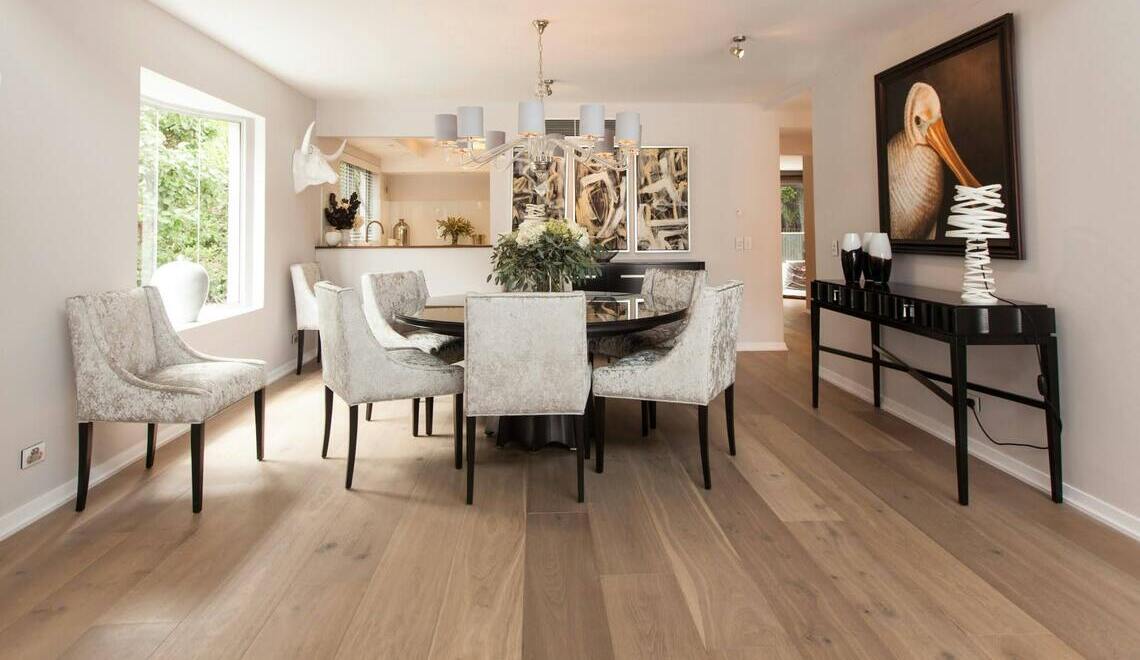
Laminate flooring continues to be one of the most widely installed floor types in UK homes because it combines realistic wood and stone effects with straightforward maintenance, good durability, and a cost point that makes it accessible for large-scale renovation projects. Modern manufacturing has significantly improved the visual and tactile quality of laminate compared to earlier products, closing the gap with natural materials in many applications. Flooring specialists such as Allfloors Glasgow carry premium laminate ranges from manufacturers including EGGER and Balterio, supplying products suited to everything from single-room upgrades to whole-house installations. This article examines why laminate flooring continues to hold its position in the UK residential market.
What Modern Laminate Flooring Is Made From
Laminate consists of four bonded layers. The base layer provides moisture resistance and structural stability. Above this is a high-density fibreboard core that gives the plank its rigidity and impact resistance. The decorative layer is a photographic image printed to replicate the appearance of wood, stone, or tile. A transparent wear layer on top protects the surface from daily use, foot traffic, and cleaning.
Modern manufacturing processes produce decorative layers with high-resolution printing and embossed surface textures that closely replicate the grain patterns and surface variation of real wood species. This realism is a significant reason for laminate’s continued popularity in rooms where natural wood would be impractical.
Practical Advantages Over Other Flooring Types
Laminate holds several practical advantages in residential settings. It is significantly more resistant to scratching and surface abrasion than most solid wood and engineered wood products, particularly at higher AC ratings. Cleaning requires nothing more than sweeping and occasional damp mopping, with no specialist products or periodic refinishing required.
Installation is faster than most alternative floor types. Click-lock locking systems allow planks to be fitted as a floating floor, without the adhesive curing times or site disruption associated with glue-down LVT or stone tile installation. This makes laminate a practical choice for renovation projects where minimising disruption is a priority.
Where Laminate Performs Well in a Home
Living rooms, bedrooms, hallways, and dining areas are the most suitable domestic applications for laminate flooring. The material handles the demands of family life reliably when an appropriate AC rating is selected for the room in question. Hallways and kitchens benefit from products rated AC4 or above, which offer better resistance to the heavier wear these areas receive.
Laminate is not appropriate in bathrooms, en-suites, or rooms with direct exposure to standing water. Standard laminate cores will swell when saturated, leading to joint failure and permanent surface damage. Moisture-resistant laminate products with a sealed HDF core are available for higher-humidity environments, though LVT remains a more reliable choice in genuinely wet rooms.

Design Variety and Current Trends
The range of designs available in laminate flooring has expanded considerably in recent years. Wide-plank formats from 180mm to 240mm have largely replaced the narrower boards that characterised laminate in earlier decades, producing a more contemporary look. Grey and natural oak tones are the most popular decorative choices in current UK residential design, with darker espresso finishes remaining a consistent option for more formal interiors.
Matt surfaces and hand-scraped or brushed textures reduce the sheen associated with older laminate products, bringing them closer in appearance to oiled hardwood. These finishes also tend to show footprints and minor surface marks less prominently than high-gloss alternatives.
Laminate and Underfloor Heating
Many current laminate products are compatible with underfloor heating systems. The key requirement is that the surface temperature does not exceed 27 degrees Celsius, and that the floor is allowed to fully acclimatise before the heating system is brought to operating temperature.
Using a suitable underlay rated for underfloor heating use is also important. Standard foam underlays are not appropriate for use with heating systems as they provide excessive insulation and can cause surface temperatures to rise beyond safe limits for the floor material.
Realistic Expectations for Long-Term Performance
Laminate flooring is not an equivalent replacement for natural wood in all settings, but it performs reliably and attractively in the applications where it is most commonly used. With correct installation, appropriate AC rating selection, and routine maintenance, a good-quality laminate floor will retain its appearance for 15 to 25 years in domestic use.
Making the Right Purchase Decision
Understanding what the product is and what it requires helps ensure it meets expectations over the long term. Visiting a showroom to compare samples, checking AC ratings against the intended room use, and confirming subfloor requirements before purchase are straightforward steps that lead to better outcomes once installation is complete.
More to Love!
Color, Gloss, and Texture: Customizing Epoxy Flooring for Interior Design
Polished Concrete Floors in Modern Buildings: A Structural and Aesthetic Choice