SUBSCRIBE


Botox Injector Training: The Secret Behind Beautiful, Natural-Looking Botox Results
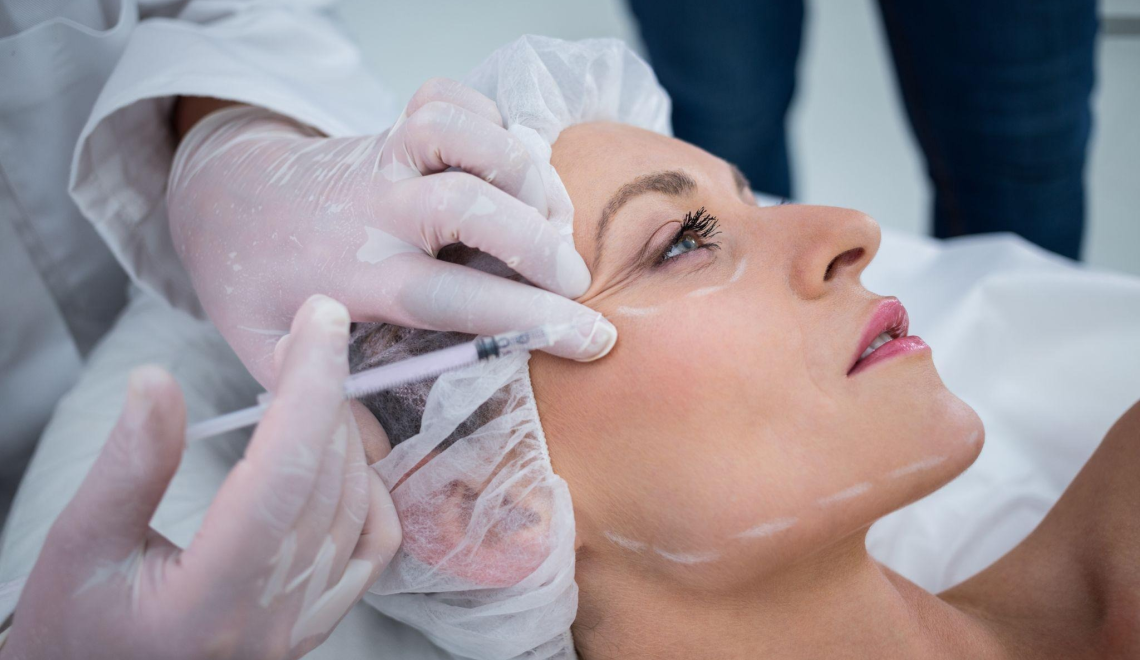
When people admire a great Botox result, they often focus on the product itself. In reality, the quality of the outcome depends just as much, if not more, on the skill and training of the injector. This is why botox injector training plays a critical role in achieving safe, natural-looking results.
The difference between a refreshed appearance and an overdone look often comes down to clinical expertise. Understanding facial anatomy, assessing individual patient needs, and applying precise injection techniques are all key factors that influence treatment outcomes.
Why Expert Training Matters More Than the Product
Botox has a long-established safety record when administered correctly. However, even the highest-quality product cannot compensate for poor technique or inadequate clinical judgment.
A skilled practitioner understands how facial muscles interact, how aging affects facial structure, and how to customize treatment plans for each patient.
The Art and Science of Natural Results
Natural-looking Botox is rarely about eliminating every wrinkle. Instead, it involves preserving facial expression while softening lines and creating facial harmony.
Expert injectors are trained to:
- Assess facial movement patterns
- Identify muscle strength and asymmetry
- Determine appropriate dosage
- Select optimal injection points
- Create individualized treatment plans
These decisions require both technical knowledge and practical experience.
Real-World Example
Consider two patients with similar forehead lines. One may benefit from a conservative treatment approach to maintain expressive movement, while another may require a different injection pattern based on muscle activity.
Without proper assessment and training, both patients could receive the same treatment despite having different needs, increasing the likelihood of unnatural outcomes.
The Foundation of Success: Facial Anatomy Knowledge
One of the most important components of cosmetic injector training is the study of facial anatomy.
The face contains a complex network of muscles, nerves, blood vessels, and connective tissues. Successful Botox treatments require a detailed understanding of how these structures work together.
Why Anatomy Matters
Injecting into the wrong location can affect muscle function and potentially lead to complications such as:
- Eyelid drooping
- Uneven eyebrow position
- Facial asymmetry
- Unintended muscle weakness
Advanced injector training places significant emphasis on anatomy because precision directly affects both safety and aesthetic outcomes.
Data-Backed Insight
A thorough understanding of facial anatomy is one of the most important factors in injector safety and treatment effectiveness. As the number of cosmetic procedures continues to grow worldwide, anatomy-focused education remains essential for reducing risks and helping practitioners achieve safe, consistent, and natural-looking results.
Personalized Treatment Planning Creates Better Results
No two faces are identical.
Age, muscle activity, facial proportions, skin quality, and aesthetic goals all vary from person to person. This is why experienced injectors avoid a one-size-fits-all approach.
The Patient Assessment Process
Before treatment, qualified injectors typically evaluate:
- Medical history
- Facial symmetry
- Dynamic facial movement
- Existing muscle strength
- Previous treatments
- Patient expectations
This assessment helps determine the most appropriate treatment strategy.
Expert Quote
As many aesthetic medicine educators emphasize, successful Botox treatment is not simply about injecting a product. It is about understanding the patient’s anatomy, goals, and facial dynamics to achieve balanced and natural-looking results.
How Advanced Injector Training Improves Precision
Basic certification provides foundational knowledge, but advanced injector training helps practitioners refine their skills through practical application and supervised experience.
This is where many injectors learn to translate theory into real-world patient care.
Skills Developed Through Advanced Training
Advanced injector training often focuses on:
- Complex facial anatomy application
- Injection depth and angle control
- Product placement strategies
- Complication prevention
- Patient communication
- Treatment customization
The more experience practitioners gain under expert supervision, the more confidently they can make clinical decisions.
Comparison Table: Basic vs Advanced Training
| Training Component | Basic Education | Advanced Injector Training |
| Facial anatomy fundamentals | ✓ | ✓✓✓ |
| Patient assessment skills | Limited | Extensive |
| Hands-on clinical experience | Minimal | Significant |
| Personalized treatment planning | Basic | Advanced |
| Complication management | Introductory | Comprehensive |
| Clinical decision-making | Developing | Refined |
| Precision injection techniques | Basic | Highly developed |

The Role of Experience in Botox and Filler Training for Injectors
Practical experience remains one of the most valuable aspects of Botox and filler training for injectors.
While classroom instruction provides important knowledge, hands-on learning allows practitioners to develop the confidence and precision needed for real-world practice.
Building Clinical Judgment
Clinical judgment develops through repeated patient interactions.
Experienced injectors learn how to:
- Recognize anatomical variations
- Adjust treatment plans when needed
- Respond to patient concerns
- Identify potential risks early
- Deliver more predictable outcomes
These skills often distinguish excellent injectors from average ones.
Patient Safety Starts With Education
Aesthetic treatments are medical procedures. As such, patient safety should always remain the top priority.
Well-trained injectors understand not only how to achieve beautiful results but also how to prevent and manage complications.
Common Safety Priorities
Comprehensive nurse botox injector training and advanced education programs typically emphasize:
- Infection control procedures
- Proper patient screening
- Contraindication awareness
- Safe dosing practices
- Emergency response protocols
- Complication recognition and management
These safety measures help protect patients while improving overall treatment quality.
Industry Trend
Recent trends in aesthetic medicine show increased emphasis on safety-focused education and evidence-based practice. Patients are becoming more informed and are increasingly seeking practitioners with strong training backgrounds and ongoing professional development.
How Long Is Schooling to Become a Botox Injector?
The educational pathway varies depending on local regulations and professional background.
In many regions, practitioners must first qualify as licensed healthcare professionals before pursuing aesthetic training.
Typical Educational Pathway
The process often includes:
- Healthcare qualification (such as nursing, medicine, dentistry, or another eligible profession)
- Foundational aesthetic training
- Supervised clinical experience
- Continuing education courses
- Advanced injector training programs
Because requirements differ by jurisdiction, prospective injectors should always review local regulations and licensing standards.
What Qualifications Do You Need to Inject Botox?
Qualification requirements depend on regional laws and professional licensing regulations.
In many locations, Botox injections can only be performed by licensed healthcare professionals.
Common Eligible Professionals
These may include:
- Physicians
- Nurse practitioners
- Registered nurses
- Dentists
- Physician assistants
Additional training in aesthetic medicine is typically required before performing cosmetic procedures independently.
What Qualifications Do You Need to Give Botox Injections?
Beyond professional licensure, practitioners generally need specialized training in aesthetic injectables.
This often includes:
- Facial anatomy education
- Injection technique training
- Patient assessment skills
- Safety and complication management
- Practical clinical experience
Ongoing education is also important because treatment techniques and safety recommendations continue to evolve.
How Much Does a Botox Injector Get Paid?
Compensation varies widely based on location, experience, qualifications, and practice setting.
Factors That Influence Earnings
Income may be affected by:
- Geographic region
- Years of experience
- Level of advanced injector training
- Patient demand
- Type of practice
- Range of aesthetic services offered
Practitioners who invest in continuing education and skill development often expand their treatment capabilities and professional opportunities over time.
The Importance of Lifelong Learning in Aesthetic Medicine
The field of aesthetics evolves rapidly.
New research, updated safety guidelines, and emerging treatment approaches require practitioners to continue learning throughout their careers.
Benefits of Ongoing Professional Development
Continuous education helps practitioners:
- Improve treatment outcomes
- Maintain patient safety standards
- Refine injection techniques
- Stay informed about best practices
- Build patient trust and confidence
The most respected injectors often view learning as an ongoing process rather than a one-time achievement.
Wrapping Up
Beautiful, natural-looking Botox results depend on far more than the product inside the syringe. They are the result of careful patient assessment, deep anatomical knowledge, precise technique, sound clinical judgment, and a commitment to ongoing education.
As aesthetic medicine continues to advance, the value of expert Botox injector training becomes even clearer. For patients seeking subtle, confidence-boosting results, one important question remains: when choosing a provider, should the focus be on the product being injected, or on the expertise of the person holding the needle?
More to Love!
How Medspa Treatments Like Botox Enhance Everyday Beauty
Best Professional Beauty Machine Brands for Modern Spas and Salons