SUBSCRIBE


The Glass Skin Blueprint: Exploring International Micro-Injectable Mastery
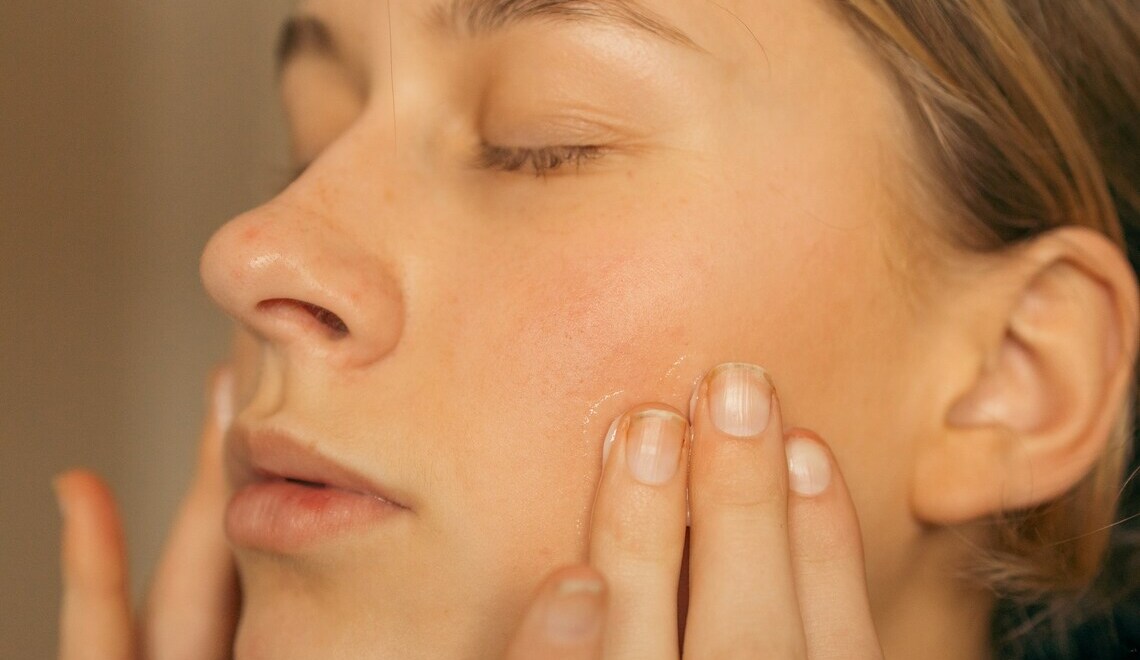
Everyone wants that luminous, almost wet-looking complexion. The kind that reflects light like a polished sheet of glass. For a while, we tried to get it with multi-step topical routines. We layered essence after essence. We patted on heavy face oils. It worked for an hour or two; then the greasiness set in. The beauty industry noticed this limitation. The focus shifted from what we put on top of our skin to what we can put just underneath it.
This is the transition to micro-injectables. It is a highly analytical approach to skin texture. Instead of freezing muscles or filling deep folds, practitioners are now using needles to flood the superficial layers of the skin with hydration. The goal is different. It is about creating a uniform, light-reflecting canvas. The global aesthetic landscape is changing because of this philosophy.
The Philosophy of Internal Hydration
Topical creams face a major physiological barrier. The stratum corneum; our outermost layer of skin. This layer is designed to keep things out. It does its job incredibly well. Because of this, even the most expensive hyaluronic acid serums mostly sit on the surface. They draw moisture from the air, but they do not deeply alter the structural hydration of the dermis.
Micro-injectables bypass this barrier entirely. Practitioners use tiny needles to deliver micro-droplets of active ingredients directly into the papillary dermis. The depth is incredibly shallow. We are talking about fractions of a millimeter. This placement allows the ingredients to spread laterally under the surface. The skin becomes saturated from the inside out.
The result is a subtle plumpness. It is not about changing the shape of the face. It is about altering how the skin interacts with light. When the dermis is highly saturated, the surface tightens slightly. Light bounces off the face instead of getting absorbed by tiny shadows and uneven pores.
Global Innovators in the Injectable Market
Different parts of the world approach this treatment concept through different scientific lenses. European formulations historically focused on deep dermal rebuilding. They used highly cross-linked hyaluronic acid to restore lost volume. But the East Asian market took a completely different path.
The emphasis in East Asia has always been on skin quality. It is about texture, clarity, and luminosity. This cultural preference drove massive scientific research into non-structural injectables. Scientists designed formulations specifically for shallow, widespread placement. They wanted to improve the skin’s natural behavior rather than change its structure.
This research led to some of the most sophisticated skin boosters available today. These formulations use extremely soft, fluid hyaluronic acid. Sometimes they pair it with polynucleotides or amino acids. Providers who want to achieve this specific, glassy radiance often choose to explore advanced Korean dermal fillers brands to find options that spread perfectly within the superficial layers without forming visible lumps. These products are engineered for flow. They settle smoothly under the skin to build a uniform layer of intense moisture.
How the Micro-Droplet Technique Works
The injection technique itself is an art of precision. Traditional filler treatments use a cannula or a deeper needle to place boluses of product. The micro-droplet technique is the opposite. It requires hundreds of tiny injections spaced evenly across the face.
- Shallow depth: The needle only penetrates the topmost layer of the dermis.
- Minimal volume: Each injection site receives only a fraction of a drop of product.
- Even spacing: The grid pattern ensures that the entire cheek and forehead area receive equal hydration.
Some clinics use automated multi-needle injectors. These devices use light suction to pull the skin taut before delivering five or nine tiny pricks simultaneously. This automated system ensures perfect depth consistency. It also reduces the time of the procedure. Other injectors prefer the manual approach. They believe a hand-held syringe allows for better customization around delicate areas like the under-eyes and the mouth.

The Science of Light Reflection and Texture
Our eyes perceive skin health through light reflection. Rough skin has microscopic peaks and valleys. When light hits rough skin, it scatters in different directions. This creates a dull, matte appearance. Smooth, highly hydrated skin acts like a mirror. The light bounces back in a single, clean direction.
Hyaluronic acid is a naturally occurring sugar molecule in our bodies. It holds up to a thousand times its weight in water. When we inject fluid versions of this molecule superficially, we are essentially placing tiny water magnets under the skin. The skin swells slightly at a microscopic level. This swelling flattens out the valleys between the pores. The surface becomes incredibly flat. That flatness is what gives the signature glass skin shine.
This process also stimulates the skin’s natural healing response. The physical act of making hundreds of tiny micro-punctures alerts the body. The brain sends signals to repair the area. This natural response triggers a mild increase in local collagen production. The skin becomes firmer over the following weeks. This firmness is a welcome secondary benefit to the immediate hydration.
The Shift Away from Heavy Structural Fillers
The aesthetic industry is undergoing a quiet correction. For nearly two decades, the trend was to lift, contour, and volumize. People wanted sharp jawlines and prominent cheekbones. But too much structural filler can eventually make the face look heavy. It can look unnatural when in motion.
Many patients are now opting to dissolve their old, heavy fillers. They are choosing a more minimalist path. They want to look like themselves, just with healthier-looking skin. Micro-injectables fit this modern preference perfectly. They do not add volume to the contours of the face. They do not change your profile. They simply make your actual skin look exceptionally well-rested and vibrant.
This approach is also much easier to maintain. Because the products are highly fluid and not heavily cross-linked, the body breaks them down naturally over several months. There is very little risk of the product migrating to other areas of the face. It is a clean, temporary treatment that leaves no permanent footprint behind.
Designing a Personalized Protocol
A single session of micro-injectables will provide a noticeable glow. However, achieving a true, long-lasting glass skin appearance usually requires a structured plan. Most providers recommend an initial series of treatments spaced a few weeks apart. This build-up phase fully saturates the tissue.
After the initial series, maintenance sessions are only needed once or twice a year. The longevity depends heavily on individual lifestyle factors. Metabolism, hydration habits, and sun exposure all play a role in how fast the body processes the superficial hyaluronic acid.
People often combine these skin-boosting injections with other light-based therapies. A gentle laser treatment can target surface pigmentation. A chemical peel can remove dead skin cells. When you combine these surface treatments with deep internal hydration, the result is incredibly powerful. The skin looks clear, even, and luminous.
This is the true modern blueprint for skin health. It is an analytical, multi-layered approach. By understanding how the skin behaves under the surface, we can finally achieve the effortless glow we used to chase with cosmetic creams.
More to Love!
Discovering Advanced Dermatology Treatments Around the World
Overcoming Stigma Around Aesthetic Treatments During Menopause