SUBSCRIBE


Designing With Dogs: How Luxury Interiors Are Finally Making Room for Pets
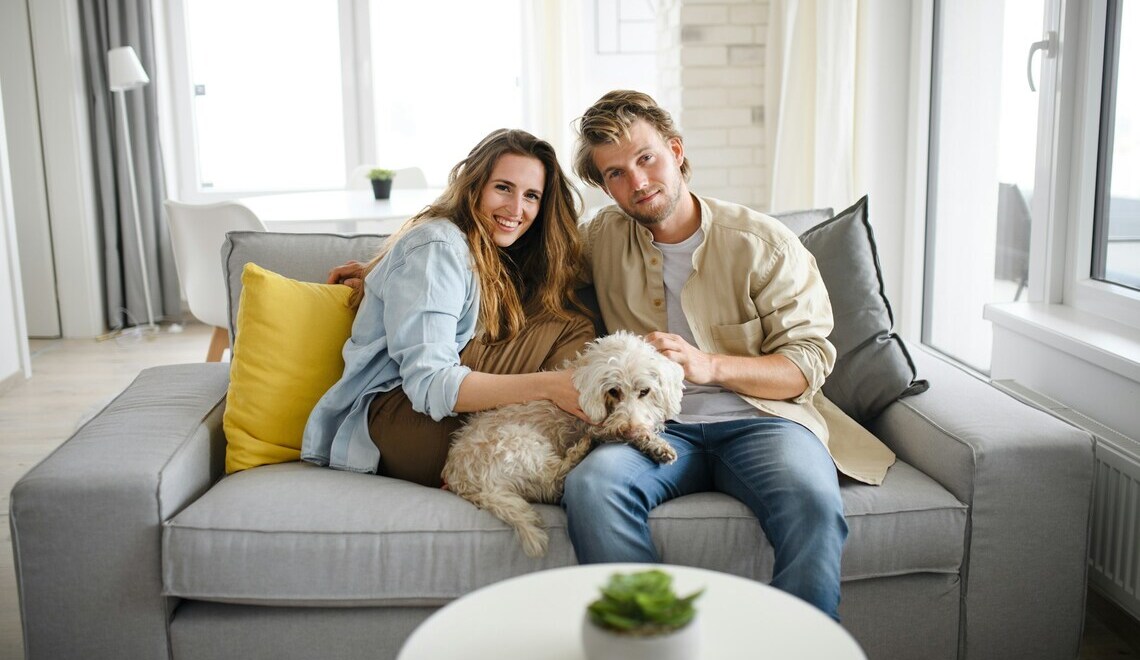
Can a home be truly luxurious and genuinely dog-friendly at the same time? Yes. Some of the most interesting interiors being photographed right now have a dog bed sitting in plain view, and nobody apologized for it.
That would have been unthinkable ten years ago. The pet category sat far outside the design conversation for so long that owners with considered homes developed a reflex: hide the royal blue polyester bed when guests arrive, shove the plastic bowls behind the bin, pretend the dog sleeps somewhere elegant.
A newer generation of pet brands has made that reflex unnecessary. Le Noof, among others, builds dog furniture with the material and color discipline you would expect from a contemporary upholstery house. Bouclé beds in oat and sand. Stone bowls that could pass for servingware. Designers have noticed, and the dog’s corner of the room is being treated as a design brief rather than a damage report.
Why Are Designers Taking Dogs Seriously Now?
Partly numbers. Pet ownership climbed steadily through the last decade, and younger homeowners spend on their dogs the way previous generations spent on children’s rooms.
The more persuasive reason is practical. Fighting the dog never works. Move the bed to the hallway and it migrates back within a week, because the dog wants to be where the people are. Any designer who has worked with a dog-owning client learns this quickly.
So the smarter projects stopped fighting. If the bed is going to live in the sightline of the sofa, it should be able to survive being looked at.
What Does Dog-Friendly Luxury Actually Look Like?
Mostly, it looks like the rest of the room.
| Old pet aesthetic | Current design-led approach |
|---|---|
| Primary-color polyester beds | Bouclé, corduroy and teddy fabrics in neutrals |
| Plastic bowls on the kitchen floor | Stone and ceramic styled like servingware |
| Neon nylon webbing | Muted tones, considered hardware |
| Hidden when guests arrive | Styled as part of the room |
Fabric carries most of the shift. The bouclé and teddy textures that have dominated sofa and accent-chair design translate directly to dog beds, and a bed in those materials reads as furniture before it reads as equipment.
Color does the rest. Oat, taupe, slate. A bed in the room’s own palette recedes the way a good ottoman does, and the room keeps its composure while the dog keeps its spot.
Scale deserves a mention as well. Many owners instinctively buy the smallest bed the dog will tolerate, hoping to minimize the intrusion. Designers tend to do the opposite: a generously sized bed in the right material has presence, the way a floor cushion or a pouf does, while an undersized one just looks like an apology.

How Do You Integrate a Dog Into a Considered Interior?
Three habits separate the projects that get this right from the ones that almost do.
Give the dog assigned real estate. A bed that drifts around the floor plan reads as clutter; the same bed placed deliberately beside the sofa or under a console reads as intention. Dogs, conveniently, prefer a fixed den anyway.
Repeat the room’s materials. A living room built on warm woods and cream textiles should extend that story to the dog’s things. This is the cheapest trick in the category and the most reliable.
Put the money where the dog sleeps. A dog spends the majority of its day on its bed. One well-made piece in the main living space serves the dog, and the room, better than several cheap ones scattered through the house.
The bed gets the attention, but the same three habits apply to the smaller objects. Bowls migrate toward stone, ceramic and marble, materials that sit comfortably on an open-plan kitchen floor. Walk gear earns a proper hook by the door rather than a pile on the console. None of it is complicated; it simply requires deciding that the dog’s equipment is part of the house rather than an interruption to it.
Is This Just a Trend?
The fabrics will rotate. Bouclé will eventually date the way tufted velvet dates. What seems unlikely to reverse is the underlying expectation, because owners who have lived in a home where the dog’s belongings agree with the interior tend not to go back.
There is also, finally, real competition in the category. When a dog bed can appear in an interior photograph without being cropped out, and when pet brands hire people with design backgrounds, the dog has a seat at the table.
For the dog owners among our readers, the practical takeaway is a pleasant one. The choice between a composed home and a comfortable dog was always a false one, and the market has at last caught up to that fact.
More to Love!
Premium Pet Grooming for Luxury Households
A Dog Lover’s Guide to Adding a Touch of Luxury to Your Home Decor