SUBSCRIBE


9 Sober Curious Drinks Worth Trying in 2026
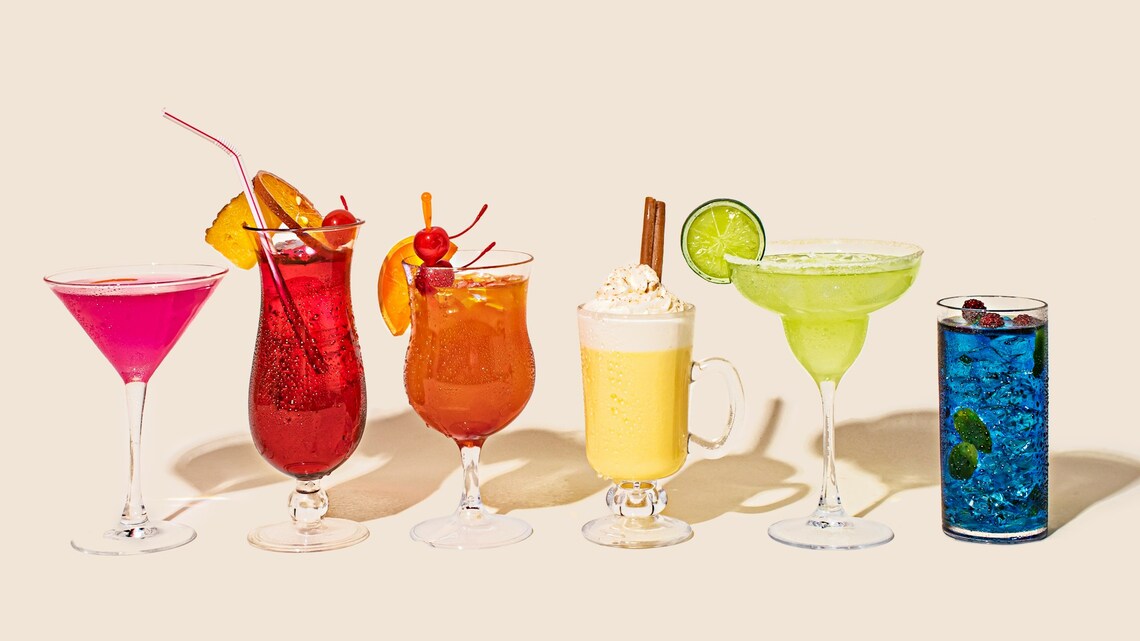
Somewhere between the last champagne toast of the holidays and the first warm evening of spring, a quiet shift has taken hold. The most intriguing glass at the party is increasingly the one without any alcohol in it. Being sober curious has nothing to do with deprivation and everything to do with intention, choosing drinks that feel as considered as the rest of your life. If the idea has been tugging at you, these nine are worth a place on your bar cart this year.
Why Sober Curious Became 2026’s Defining Drink Trend
The numbers tell a striking story. Americans are drinking less than they have in decades, and the decline is sharpest among women and younger adults. This is not a passing fad. It is a genuine rethinking of what a drink is for.
Part of that rethinking is about well-being. A 2025 advisory from the U.S. Surgeon General on alcohol and cancer risk brought long-standing research into the mainstream conversation, and for many women it reframed the after-work glass of wine as something to enjoy more mindfully. The good news is that “mindful” no longer means “boring.” The alternatives have become genuinely lovely.
1. Kombucha and Water Kefir
Fermented, faintly funky, and far more grown-up than the sugary versions of a few years ago. Today’s dry, lightly sparkling kombuchas and water kefirs carry the same tart complexity you look for in a good natural wine, along with gut-friendly probiotics that make them easy to feel good about.
Pour a dry ginger or hibiscus kombucha Into a wine glass, add a twist of citrus, and it holds its own beside anything else on the table. For a home dinner party, a chilled bottle on the counter gives non-drinking guests something they will actually reach for a second time.
2. Hemp-Derived THC Seltzers
This is the category quietly reshaping the sober-curious shelf. Low-dose, hemp-derived THC beverages deliver a gentle lift, usually two to five milligrams per can, that softens the edges of a long day without the fog or the next-morning regret of a second glass of wine. They have become the drink of choice for the so-called California sober set, who have swapped the cocktail for something lighter on the body.
As more women build genuine rest into their daily routines, these canned options suit the evening wind-down perfectly, something to sip slowly on the sofa or hand a guest who wants to relax without committing to a full pour. Brands such as Crescent Canna THC drinks have leaned into real flavor and precise dosing, so you always know exactly what you are getting. Start low, give it an hour, and see where a single can takes you.
3. Craft Non-Alcoholic Spirits
For anyone who misses the ritual more than the buzz, the stirring, the beautiful glassware, and the slow first sip, non-alcoholic spirits have come a long way from flavored water. Distilled botanical blends from houses like Seedlip, Ritual Zero Proof, and Monday now mimic the depth of gin, tequila, and whiskey closely enough to carry a proper Negroni or a bright margarita.
The pleasure of a well-made drink was never only about the alcohol. It was about the craft. If you have ever spent a holiday learning the art of cocktail making, you already know how much of the joy lives in the making itself. Keep a bottle or two on the cart, and your guests may not notice a thing until they wake up clear-headed.
4. Adaptogenic Elixirs
The thinking behind an adaptogenic drink is elegant in its simplicity: botanicals such as ashwagandha, reishi, and rhodiola that are said to help the body settle into calm rather than rev it up. Adaptogens are plants thought to help your body cope with stress and return to a sense of balance, and labels like Kin Euphorics and Three Spirit blend them with warm spices, bittersweet roots, and a little theatre, producing something that feels ceremonial to pour over ice.
Whether the effects are dramatic or subtle, the experience is undeniably pleasant, and the flavors are complex enough to keep your hands and your palate happily occupied through a long dinner. Serve one in a coupe, and it reads as intentional rather than abstemious.
5. Alcohol-Free Sparkling Wine
Some moments call for a cork and a flute, and the sober curious world has answered beautifully. De-alcoholized sparkling wines from producers like French Bloom and Wild Idol have moved well past the syrupy grape juice of old, offering real acidity, fine bubbles, and the crisp finish a toast deserves.
Keep a bottle in the door of the fridge for celebrations, spontaneous or planned. There is a particular kind of confidence in raising a glass that looks exactly like everyone else’s, because in every way that matters, it does.
6. Botanical Aperitifs
If your happy hour signature was ever a spritz, this is your category. Bittersweet botanical aperitifs such as Ghia and De Soi are built to be mixed with soda over plenty of ice, finished with an orange twist, and sipped on a terrace as the light goes gold. They deliver that grown-up, slightly bitter edge that makes an Aperol spritz so moreish, without the alcohol.
The ritual survives entirely intact. You still reach for the good glass, still cut the citrus, still linger over it. That is much of the point of a sober curious drink in the first place.
7. Alcohol-Free Beer and Hop Water
The category that got serious first, and it shows. Non-alcoholic craft beers from breweries like Athletic Brewing have earned genuine respect from beer lovers, with hazy IPAs and crisp lagers that taste like the real thing rather than an apology for it.
If even that feels heavy, hop water is the lighter cousin worth knowing: sparkling water infused with aromatic hops, zero calories, and endlessly refreshing. It is the drink to hand someone who wants something interesting in their glass on a hot afternoon but has no interest in a buzz.
8. Prebiotic Sodas
Nostalgia, reimagined with benefits. Prebiotic sodas from brands like Olipop and Poppi have taken the flavors of childhood, root beer, cola, and orange cream, and rebuilt them around fiber and gut health, with a fraction of the sugar of the originals.
They are playful, unpretentious, and genuinely delicious, which is precisely why they have become such a fixture. Serve them in a tall glass over crushed ice for a casual gathering, and watch how quickly they disappear.

9. Calming Nootropic Drinks
Think of these as the nightcap reimagined. A new wave of relaxation drinks from labels like Recess and Moment lean on ingredients such as magnesium and L-theanine, the amino acid found naturally in green tea. The science here is more than marketing: a systematic review of randomized controlled trials found that 200 to 400 milligrams of L-theanine a day may help ease stress and anxiety in people under pressure.
The result is a drink that helps you downshift in the evening rather than winding you up. As more of us design our homes around rest and recovery, a calming drink like this becomes the natural nightcap. Chill one, dim the lights, and let it stand in for the glass of wine you used to pour on autopilot.
Frequently Asked Questions
What does “sober curious” actually mean?
“Sober curious” describes a mindful, flexible approach to alcohol rather than strict sobriety. It means questioning when and why you drink, and often choosing not to, without labeling yourself. The movement is about intention and options, so you can enjoy a night out or a dinner party without alcohol being the default.
Are sober curious drinks healthier than alcohol?
Most alcohol-free options avoid the well-documented downsides of alcohol, and many add functional ingredients like probiotics, fiber, or adaptogens. That said, some can be high in sugar, so it is worth reading the label. As a category, they are generally a lighter, gentler choice than a cocktail.
Do hemp-derived THC drinks get you high?
Low-dose hemp-derived THC seltzers, typically two to five milligrams per can, are formulated for a mild, relaxing effect rather than a strong high. Everyone responds differently, so the sensible approach is to start with a single can, wait at least an hour, and see how you feel before having another.
What can I serve guests who don’t drink at a dinner party?
Offer variety and treat it as thoughtfully as you would a wine list. A dry kombucha, an alcohol-free sparkling wine for toasting, and a botanical aperitif for mixing cover most preferences. Serving them in proper glassware makes non-drinking guests feel included rather than accommodated.
Are non-alcoholic spirits truly alcohol-free?
Most non-alcoholic spirits and de-alcoholized wines contain less than 0.5% alcohol by volume, similar to a ripe banana or a glass of orange juice. A handful are made with no alcohol at all. If you need something entirely alcohol-free, check the label, as the terms “non-alcoholic” and “alcohol-free” can differ.
Do adaptogenic drinks really work?
Adaptogens have a long history in traditional medicine, and early research is promising, though evidence varies by ingredient and dose. Many people find them genuinely calming or grounding. Even setting the science aside, the ritual of pouring and slowly sipping wine can be relaxing in itself.
Is non-alcoholic wine safe during pregnancy?
Because many de-alcoholized wines still contain trace amounts of alcohol, up to 0.5%, they are not automatically pregnancy-safe. People who are pregnant should check the specific label and speak with their doctor before drinking one, rather than assuming “non-alcoholic” means zero.
How do I build a sober-curious bar cart?
Start with three anchors: a non-alcoholic spirit for cocktails, a bottle of alcohol-free sparkling for celebrations, and a botanical aperitif for spritzes. Add good glassware, fresh citrus, quality tonic, and plenty of ice. From there, rotate in seasonal favorites like kombucha or a calming nightcap.
Are sober curious drinks expensive?
Premium non-alcoholic spirits and sparkling wines can rival their alcoholic counterparts in price, since the craft behind them is real. Everyday options like kombucha, hop water, and prebiotic sodas are far more affordable. Building a small, well-chosen collection tends to cost less than a regular wine habit over time.
Which sober curious drink is best for beginners?
A botanical aperitif spritz or an alcohol-free sparkling wine is the easiest place to start, because both slot straight into familiar rituals. If you are chasing the relaxed feeling of a drink, a low-dose THC seltzer or a calming nootropic drink is a gentle, approachable introduction.
Drinking Well, Redefined
Being sober curious in 2026 is less a restriction than an upgrade. The glass in your hand can be beautiful, complex, and made with real care, whether or not it happens to contain alcohol. Try a few of these, notice which ones you reach for again, and let your bar cart evolve to match the life you actually want to be living. The best part is waking up the next morning feeling exactly as good as the night before.
More to Love!
8 Healthy Drinks to Replace Alcohol With
The 3 Best Espresso Based Drinks You Can Make At Home