SUBSCRIBE


What Happens When a TikTok Video Goes Viral to the Wrong Audience?
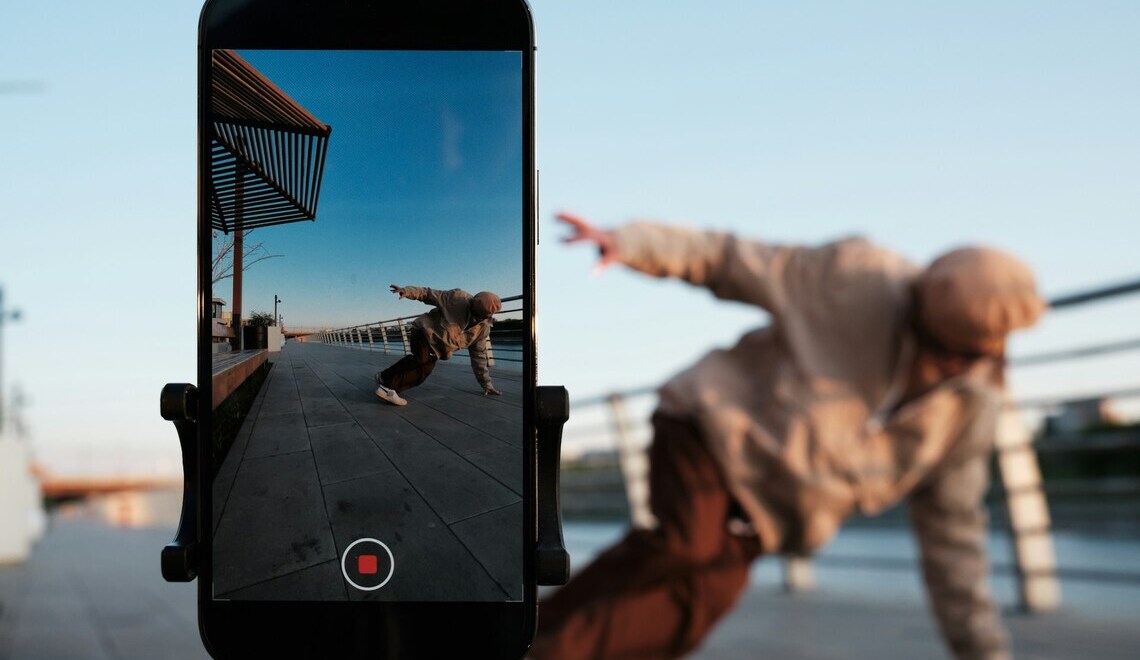
Going viral on TikTok can create a major visibility opportunity, but not every viral audience has the same connection to the creator behind the video. Sometimes a post reaches thousands or millions of people who enjoy that specific piece of content but have limited interest in the creator’s usual niche. Julia Spong, TikTok Content & UGC Advisor at Trollishly, has explored similar patterns through research focused on audience relevance, creator visibility, profile interest, and what viewers do after discovering content. The key question is not whether broad virality is valuable. It is how well that new attention connects with the creator’s wider content.
What Does “The Wrong Audience” Actually Mean?
The wrong audience does not mean a bad audience. It simply describes viewers who are interested in the viral video but have little connection to the creator’s normal content, niche, or future topics.
Imagine a fitness creator who normally publishes:
- Training advice
- Exercise technique
- Recovery tips
- Workout programming
- Fitness education
Then a funny gym accident unexpectedly goes viral.
The video may reach a much broader entertainment audience. Those viewers can still like, share, comment on, and enjoy the post. Their reason for watching, however, may be completely different from the reason someone normally follows the creator.
That creates two types of interest:
| Video Interest | Creator Interest |
| “I enjoyed this post.” | “I want more content from this person.” |
| Connected to one moment | Connected to the wider account |
| May come from a broad trend | Usually relates more closely to the niche |
| Can create large reach | Can create continued interest |
Both are useful. The difference matters when creators try to understand what the viral moment may produce next.
Views Can Rise Much Faster Than Profile Interest
TikTok views can increase rapidly during virality while profile interest grows at a different pace because watching a video requires less commitment than exploring the creator behind it. A viral post might appear naturally in the feed, capture attention for a few seconds, and generate a reaction without the viewer ever needing to know who published it.
Profile interest requires another decision:
“Do I want to know more about this creator?”
That decision can depend on:
- How relevant the topic feels
- Whether the creator’s perspective stands out
- Whether the video suggests more useful content exists
- How clearly the creator’s niche is communicated
- Whether viewers want another interaction with the account
This is why creators should not expect views, profile visits, and follows to rise at exactly the same rate. They represent different forms of audience interest.
Viral Followers May Expect Different Content
Followers gained from a viral TikTok may arrive with different expectations if the viral post does not closely match what the creator normally publishes. Returning to the fitness example, some viewers may follow because they expect more humorous gym videos. If the creator immediately returns to technical exercise education, those new followers may respond differently from viewers who originally followed for training advice.
The important distinction is:
Why did they follow, and what will the creator publish next?
The closer those two answers are, the easier it becomes to maintain audience continuity. This is one reason creators can benefit from connecting a viral post with their existing identity rather than treating it as an isolated moment.
For example, the fitness creator could follow the viral gym clip with:
- An explanation of what actually went wrong
- A safety lesson based on the incident
- A training mistake breakdown
- A related educational series
The creator keeps the attention generated by the viral moment while guiding viewers toward the content they normally provide.
The Next Few Videos Reveal the Audience Fit
The videos published after a viral TikTok can reveal whether the new audience is interested in the creator or primarily in the viral post itself. Instead of judging the entire outcome immediately, creators can review the next several posts.
Useful questions include:
- Do new viewers continue watching?
- Are comments still related to the creator’s niche?
- Does profile interest remain stronger than before?
- Do related follow-up videos attract attention?
- Are viewers exploring older content?
- Does the creator’s normal content benefit from the new discovery?
If interest continues across several connected videos, the viral reach may be developing into broader account growth. If most activity remains concentrated around the original post, the viral video may simply have succeeded as a highly discoverable piece of content. Both outcomes can still be valuable. They simply represent different types of success.

Audience Relevance Changes How Virality Should Be Read
Audience relevance changes the interpretation of virality because a large audience becomes even more valuable when viewers also have a natural connection to the creator’s future content. Spong explores this relationship in Trollishly’s research on TikTok audience relevance, which examines why creator growth can depend on who watches alongside how many people watch. A broadly viral video can create powerful discovery. A highly relevant viral video can combine that discovery with stronger potential for profile exploration, continued viewing, and future audience development.
The most useful question after a video goes viral is therefore not simply:
“How many people saw it?”
It is also:
“How many of those viewers have a reason to care about what this creator does next?”
That question turns a viral moment from a single performance number into the beginning of a wider audience analysis.
Can the Creator Turn Broad Viral Reach Into a Relevant Audience?
Yes. A creator can use broad viral reach as an entry point and then guide new viewers toward the niche, topics, and content identity that define the wider account. The most effective bridge is usually related follow-up content. If a video goes viral for a reason that sits slightly outside the normal niche, the creator can connect that attention back to their core subject through:
- A follow-up explanation
- A behind-the-scenes breakdown
- A related tutorial
- A creator reaction
- A short content series
- A pinned video that adds context
This approach helps new viewers understand why the viral post belongs on the account and what they can expect next. The goal is not to change the creator’s entire identity around one viral moment. It is to make the connection between that moment and the wider profile easier to see.
Should Creators Keep Posting the Topic That Went Viral?
Creators should repeat the useful elements behind a viral post rather than automatically copying the exact topic or format again and again.
The first question should be:
Why did this video travel?
Possible reasons include:
- The topic
- The hook
- The emotion
- The format
- The timing
- The creator’s perspective
- The audience problem
- The shareability of the idea
Once creators understand what worked, they can adapt the strongest elements to content that fits their normal niche. For example, if a humorous video performed well because of its storytelling format, the creator may use the same storytelling structure for future educational posts.
This allows the creator to learn from virality without depending on one isolated idea.
Relevant Followers Can Strengthen the Opportunity
Relevant followers can help turn viral discovery into a broader audience opportunity because they give creators more people who are connected to the account’s content direction. Creators looking to strengthen visible account presence can buy TikTok followers from Trollishly alongside consistent niche content and ongoing audience development.
The wider strategy can include:
- Strong profile positioning
- Related follow-up videos
- Recognizable content themes
- Clear creator expertise
- Recurring series
- Consistent audience communication
This gives the viral moment a wider context and makes it easier for new viewers to understand the creator beyond one successful post.
What Julia Spong’s Research Suggests Creators Should Watch
Julia Spong’s research for Trollishly suggests creators should interpret viral reach alongside audience relevance, profile interest, engagement quality, and continued interaction.
A strong viral result becomes easier to understand when creators ask:
- Who appears to be responding?
- Are viewers exploring the profile?
- Are they engaging with related videos?
- Does interest continue after the viral post?
- Do new followers respond to the creator’s normal content?
These questions help creators understand whether a viral video created only immediate discovery or also opened a path toward broader account growth. Spong’s work for Trollishly is based on the platform’s own observations and research around TikTok creator behavior. Its value lies in helping creators evaluate the quality and direction of the attention they receive.
What Should a Creator Do After Unexpected Virality?
Creators should use the period after unexpected virality to understand why the video worked and connect that attention with the wider account.
A practical response can follow six steps:
1. Identify Why the Video Travelled
Look at the topic, hook, emotion, format, and audience reaction.
2. Review Who Is Responding
Study comments, profile activity, new followers, and related audience behavior.
3. Publish Connected Follow-Up Content
Create videos that naturally connect the viral topic with the creator’s normal niche.
4. Strengthen Profile Positioning
Make sure the bio, pinned videos, and recent posts clearly communicate what the creator normally offers.
5. Watch the Next Several Posts
The performance of the following videos can reveal whether new viewers remain interested.
6. Build a Bridge to the Core Niche
Use the viral moment as a discovery opportunity while keeping the creator’s long-term identity recognizable.
This approach turns unexpected reach into useful information and creates more opportunities for continued audience development.
The Bigger Lesson
Going viral to a broad audience is still a valuable visibility opportunity. The strategic question is how much of that new attention can be connected with the creator’s real content identity. A viral video can introduce an account to people who would never have discovered it otherwise. Follow-up content, clear positioning, and a recognizable niche can then help some of those viewers understand why they may want to keep watching. Julia Spong’s research for Trollishly reinforces this broader view of TikTok growth: reach creates the opportunity, while audience relevance and continued interest help reveal what the opportunity becomes.
FAQ’s
What Does Going Viral to the Wrong Audience Mean on TikTok?
It means a video reaches many viewers who enjoy that specific post but have limited connection to the creator’s normal niche or future content.
Can a Viral TikTok Video Attract Irrelevant Followers?
Yes. Some viewers may follow because they enjoyed the viral topic or format even if it differs from the creator’s usual content.
What Should Creators Post After Going Viral?
Creators can publish related follow-up videos that connect the viral topic with their normal niche, expertise, or recurring content themes.
Should Creators Keep Posting the Topic That Went Viral?
Creators can study why the topic worked and reuse the strongest elements when they fit the wider account. The goal is to learn from the viral result while keeping creator identity consistent.
How Can TikTok Creators Attract a More Relevant Audience?
Creators can use clear niche positioning, connected topics, recognizable expertise, consistent profile content, and follow-up videos that appeal to the type of viewers they want to reach again.
More to Love!
How Brands Can Build an Engaged Instagram Community
How Influencers Research Competitors on Instagram — Without Getting Caught