SUBSCRIBE


The Pros and Cons of Lab-Grown Diamonds vs. Natural Diamonds
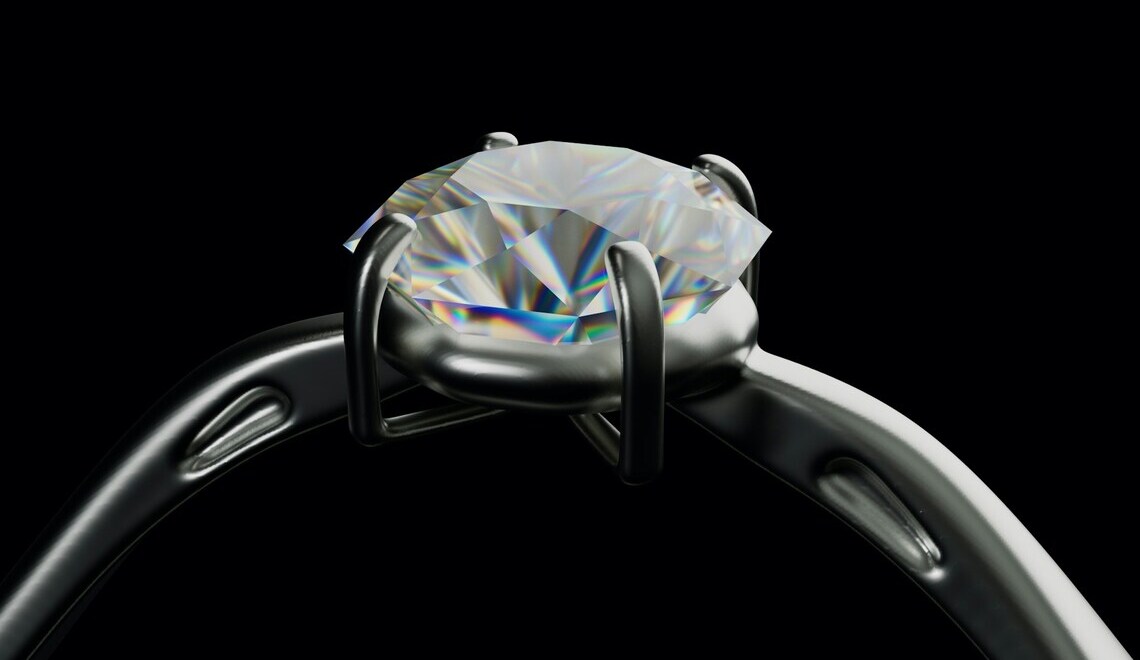
Buying an engagement ring or a piece of fine jewelry is a big decision, both financially and symbolically. There are endless options on the market today, making it hard to decide what is really right for you. If you’re trying to decide between a lab-grown diamond and a natural diamond, here are some of the pros and cons to consider before making your choice.
The Unique Appeal of Natural Diamonds
Natural and lab-grown diamonds may be chemically and visually the same, but natural diamonds carry a geological story that other stones don’t have.
“Natural diamonds may take up to a few billion years to form and come to the surface, whereas laboratory-grown diamonds can take just a few weeks,” the American Gem Society explains.
Because they exist in limited quantities, each find becomes irreplaceable in ways that mass-produced alternatives cannot match.
While ethical and environmental concerns have historically shadowed the industry, modern responsible sourcing practices have transformed how the stones reach consumers. Major producing nations now operate under strict certification protocols and traceability has become standard rather than exceptional.
Understanding Lab-Grown Diamonds
Technology-controlled facilities create lab-grown diamonds using high-pressure high-temperature or chemical vapor deposition (CVD). Production can scale endlessly, driving dramatic price declines.
While a natural diamond took billions of years and specific geological conditions to form, lab-grown stones can be manufactured on demand in unlimited quantities.
Because of the efficiency in production, lab-grown diamonds are more affordable. People can select a larger stone at a lower price, making lab-grown stones a popular choice for a smaller budget.
How Your Choice Impacts the Environment
Environmental impact varies significantly between the two options, and neither choice is without ecological considerations.
According to the Fancy Color Research Foundation, a research organization on colored diamonds, the CVD method consumes 200 kWh per carat. It states, “This indicates that, on average, producing a one-carat natural diamond consumes about 75% of the energy required to produce a one-carat lab-grown diamond using the CVD method.”
If the production facility relies on coal or fossil-fuel energy grids, emissions can be substantial despite the absence of physical excavation.
Natural diamond mining involves large-scale excavation that removes topsoil and vegetation, leading to habitat disruption and soil erosion. However, many modern mining operations have implemented environmental stewardship programs.
When evaluating the true ecological footprint of your purchase, examine specific facility practices, energy sources and third-party environmental certifications.
Navigating Ethics in Your Diamond Purchase
The diamond industry has undergone substantial reform in response to concerns about conflict diamonds. The Kimberley Process is a global effort, backed by the United Nations, aimed at ensuring the diamond trade is free from conflict while providing a certification for rough diamond shipments.
Beyond conflict-free certification, buyers should seek documentation showing single-mine provenance rather than accepting vague geographic regions. Confirming the exact country or mine of origin provides stronger assurance than generic conflict-free labels.
Diamond revenue in certain producing nations directly funds healthcare, education and infrastructure projects that support local communities. For example, data from the Natural Diamond Council shows, “Diamonds represent 80% of Botswana’s exports, make up a third of its fiscal revenue and account for a quarter of the country’s GDP.”

Protecting Your Investment and Resale Value
Natural diamonds generally retain their value and command greater secondary-market interest than lab-grown alternatives. In fact, natural diamonds have appreciated by around 2% to 3% per year over the last 50 years, according to the Natural Diamond Council.
On the other hand, prices of some lab-grown diamonds fell by more than 80% as production capacity grew. This rapid depreciation reflects the fundamental economics of unlimited supply meeting finite demand.
Protecting your investment requires smart initial purchasing decisions, proper documentation and ongoing physical care. Round brilliant cuts offer the highest market standardization and liquidity, whereas trendy fancy shapes can take significantly longer to sell.
Natural diamonds serve as transferable assets with historical price stability, while lab-grown stones lose value over time. Storing your grading certificates, original sales receipts and digital photos in a secure cloud location keeps them accessible when needed, simplifying things if you choose to sell your pieces.
What Are the Pros and Cons of Choosing a Lab-Grown Diamond Over a Natural Diamond?
There are many factors to consider when comparing lab-grown and natural diamonds.
According to Corinne Jewelers, “Lab-grown diamonds typically cost 60-80% less than comparable natural diamonds. That means a buyer who might have been looking at a 1-carat natural diamond could afford a 2-carat lab-grown with better color and clarity for the same price.”
These stones are chemically and physically identical to their natural counterparts. They are appealing to buyers prioritizing budget flexibility or concerns about mining.
The major trade-offs for lab-grown diamonds include having virtually no resale value due to rapidly declining prices and unlimited production capacity.
Natural diamonds offer geological scarcity, better long-term worth and traditional symbolism tied to their billion-year formation. They also serve as potential heirlooms with stable market recognition.
Your priorities around upfront cost versus long-term worth, scarcity versus accessibility, and investment potential versus immediate savings will determine which option is best for you.
Frequently Asked Questions About Lab-Grown vs. Natural Diamonds
These common questions address practical concerns that arise when comparing both diamond types.
How do I decide which type is right for me?
The decision between lab-grown and natural diamonds depends on what matters most in your specific situation. If upfront budget constraints are your primary concern, lab-grown offers substantial cost savings.
If you prize scarcity, geological authenticity and long-term worth retention, natural diamonds provide those attributes despite higher initial costs.
What questions should I ask a jeweler when comparing lab-grown and natural diamonds?
Ask your jeweler about certification, price differences and resale potential when evaluating both options. Key questions include whether both stones are certified by recognized laboratories like GIA or IGI, what the exact percentage price difference is between comparable stones, and how the resale or trade-in policy differs for each type.
Will a lab-grown diamond test as real on a standard diamond tester?
Yes, lab-grown diamonds will pass standard diamond tester checks because they share the exact same physical properties as natural diamonds. Both types have identical thermal conductivity and hardness, which is what most basic testers measure.
Making the Best Choice for Your Ring
Both lab-grown and natural diamonds offer distinct advantages depending on your priorities. Lab-grown stones deliver immediate affordability and alternative manufacturing, while natural diamonds provide higher value and modern, ethical production.
Your decision should align with your budget constraints, personal priorities, and whether long-term resale potential matters for your situation. Choose the option that best serves your specific needs rather than following generalized advice that may not fit your circumstances.
More to Love!
Conscious Luxury: What Lab-Grown Diamonds Mean for Fine Jewelry Today
Quiet Luxury: Diamonds in Day-To-Day Style