SUBSCRIBE


Why Is Architecture Important? Benefits, Innovation, and New Ideas
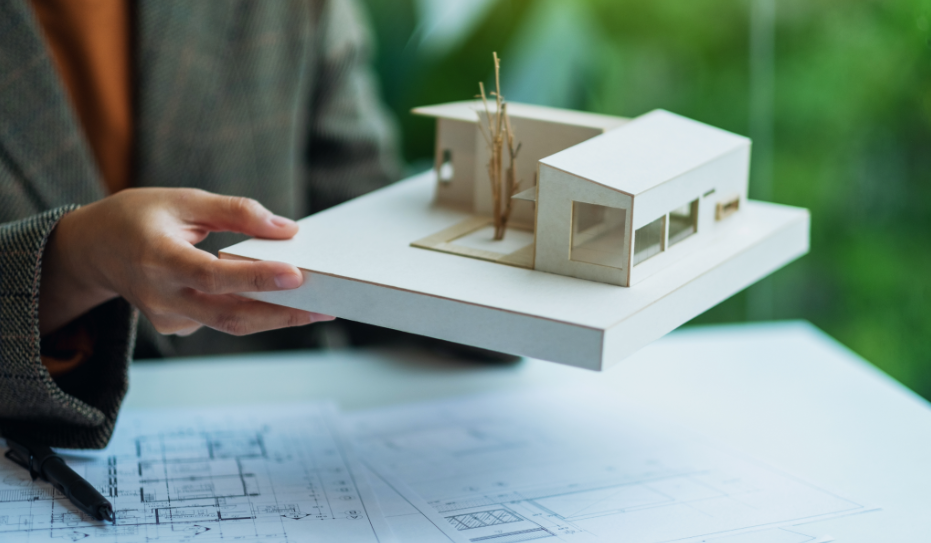
Architecture is much more than just beautifully designed homes or interiors. The real value of it lies well beyond appearance. The spaces people inhabit are a testament to how they live, work, move, interact, relax, and experience their surroundings.
That is at the heart of the question: why is architecture important?
Good architecture brings together function, creativity, technology, culture, and environmental responsibility. A successful building responds to its site, serves the people who use it, and remains useful and relevant long after construction is complete.
The importance of architecture has become even more apparent as cities expand, environmental concerns grow, and expectations around healthier, more efficient buildings continue to evolve. Architects today are finding ways to address practical challenges while creating spaces that people genuinely enjoy. And that is why luxury residential architecture is also on the rise.
What Makes Architecture Important?
Architecture connects human needs with the built environment. Small design decisions can have a surprisingly large effect on how a building feels and functions. The position of a window, the width of a corridor, the relationship between rooms, or the orientation of a building can all change the experience of the people inside it.
The American Institute of Architects (AIA) identifies zero-carbon, equitable, resilient, and healthy outcomes as key goals for 21st-century design. Its Framework for Design Excellence encourages architects to consider how buildings and communities affect people, ecosystems, and the broader environment.
That means good architecture asks practical questions such as these:
- How will people actually use the space?
- Can natural light and ventilation improve the interior environment?
- How efficiently will the building consume energy and water?
- Can the design adapt as the occupants’ needs change?
- How does the building respond to its climate and surroundings?
- Does it add something positive to the neighborhood or community?
These decisions influence both the immediate experience of a building and its long-term performance.
The Benefits of Architecture for Everyday Life
One of the clear goals of architecture is to make everyday life easier and more comfortable.
Consider a home. A well-planned residence can make daily routines feel natural through sensible circulation, comfortable room proportions, useful storage, good daylight, and a thoughtful connection between indoor and outdoor areas. In an office, design can create spaces for collaboration while also providing quieter areas where people can focus.
The same principle applies to schools, healthcare facilities, hotels, restaurants, and civic buildings. In each case, architecture can influence movement, accessibility, comfort, privacy, and interaction.
Health is also closely connected to the quality of the built environment. Indoor air quality, thermal comfort, daylight, and other design considerations can influence inhabitants’ health and productivity.
Often, the best architecture does this without demanding attention. When a room feels comfortable, natural, and easy to use, people may not think about the design decisions behind it. They simply experience the benefit.
Architecture Can Improve Sustainability
Sustainability is one of the strongest reasons architecture matters today.
Buildings require resources throughout their lives. Materials must be manufactured and transported, structures must be constructed and maintained, and buildings require energy for heating, cooling, lighting, and other operations. Decisions made during design can therefore have consequences for decades.
Orientation, shading, insulation, glazing, passive ventilation, efficient mechanical systems, renewable energy, water management, and responsible material selection can all improve building performance.
According to research, buildings account for approximately 40% of annual U.S. energy consumption. It also reports that sustainable, resilient buildings can reduce energy consumption by 30–50% compared with traditional construction.
Sustainable architecture is not just adding solar panels to a roof. It starts much earlier, with an understanding of the site, climate, materials, building orientation, occupants, and long-term requirements.
There can be a financial benefit as well. Buildings that consume fewer resources and operate more efficiently can reduce running costs over their lifetime.
Architecture Supports Health and Wellbeing
People spend much of their lives inside buildings, making the quality of those spaces particularly important.
Natural daylight can make interiors feel brighter and more connected to the outside. Proper ventilation can help maintain indoor air quality. Acoustic planning can reduce unwanted noise, while access to outdoor spaces can encourage movement and provide opportunities to pause and recharge.
The AIA’s design guidance specifically identifies physical, mental, and emotional wellbeing as considerations architects should address when designing buildings and communities.
At an urban level, architecture and planning can influence how people walk, interact, access services, and use green spaces. This makes architecture part of a much larger conversation about the quality of everyday life.

Architecture Preserves Culture and Identity
Buildings can tell stories.
Materials, craftsmanship, proportions, landscaping, ornamentation, and construction techniques often reveal something about the history and character of a place. Architecture can preserve those qualities while still allowing communities to move forward.
Contemporary design does not need to imitate historic architecture. Instead, it can reinterpret local traditions in new ways, creating buildings that feel connected to their surroundings without simply reproducing the past.
This balance between preservation and innovation becomes especially important as cities change. Adapting an existing building for contemporary use can retain a community’s sense of history while giving an old structure a new purpose.
Architecture can therefore serve as both a record of where a place has been and a statement about where it is going.
Innovation Is Changing Architecture
Technology is opening up new possibilities for architectural design.
Digital modeling and building information modeling allow architects and project teams to coordinate complex systems and identify potential issues before construction begins. Parametric design can help designers test different configurations and explore how changes in form affect performance.
Artificial intelligence is also beginning to influence architectural workflows. A 2024 survey by the American Institute of Architects (AIA) found that one-third of architecture firms were using AI in their day-to-day work, with adoption varying significantly by firm size.
Still, technology does not replace architectural judgment. It gives designers additional ways to investigate ideas, analyze performance, coordinate information, and work through complex design challenges.
Innovation can also come from much simpler choices. Changing a building’s orientation, creating a more flexible floor plan, selecting a locally appropriate material, or strengthening the connection between a house and its landscape can completely change how a project works.
New Ideas Are Making Buildings More Adaptable
Buildings are expected to last for years, but the way people use them can change considerably during that time.
A family may grow. A home may eventually need to accommodate aging occupants. An office may need to support different working patterns. A commercial property could require an entirely different use in the future.
Designing for flexibility can make it easier to respond to those changes. It can also extend the useful life of a building and reduce the need for major reconstruction or demolition.
Adaptive reuse offers another approach. Instead of replacing an existing structure, architects can transform it for a new purpose. This can preserve embodied carbon, retain architectural character, and contribute to the revitalization of neighborhoods.
The Value of Thoughtful Residential Architecture
The importance of architecture becomes particularly personal when the project is someone’s home.
A residence should reflect the way its occupants actually live. The relationship between rooms, views, daylight, privacy, materials, landscape, and outdoor areas can influence the experience of the property every day.
This is where luxury residential architecture can go beyond visual sophistication. A high-end residence can bring together personalization, craftsmanship, technology, environmental performance, and a strong response to the site.
The goal does not have to be creating the biggest or most elaborate house. The better objective is to make every important design decision purposeful.
A beautifully designed home should feel considered rather than excessive. It should work for the people living in it while responding to its setting.
Why Choosing the Right Architect Matters
Because architecture affects so many aspects of a project, choosing the right design partner is an important decision.
Experienced architecture firms in the USA must balance creative ambitions with budgets, building codes, site conditions, structural requirements, sustainability objectives, construction realities, and the client’s expectations.
A good architect listens before designing. They study the site, understand the client’s priorities, identify opportunities, and bring different requirements together into a coherent solution.
For Nainoa, this approach places architecture firmly in the space between creative thinking and practical problem-solving. The strongest projects are those that are purposeful, responsive, functional, and designed around the people who will ultimately experience them.
The Future of Architecture
The future of architecture is unlikely to be defined by one particular style.
Instead, changing expectations will shape the profession. Buildings will need to become more energy-efficient, resilient, adaptable, accessible, and responsive to their surroundings. At the same time, people will continue to seek spaces that feel distinctive, comfortable, personal, and emotionally engaging.
That creates an interesting opportunity for architects.
New technology can work alongside principles that have guided good architecture for generations: proportion, natural light, materiality, craftsmanship, context, and a strong relationship with place.
The future, then, is not necessarily about choosing between tradition and technology. It is about using both intelligently.
Conclusion: Why Is Architecture Important?
So, why is architecture important?
Because the places people create shape the way they experience everyday life.
Architecture can improve comfort, support health, reduce environmental impact, strengthen communities, preserve cultural identity, encourage innovation, and create long-term economic value. The AIA’s 2026 economic research highlights the broader role of architecture and design firms in addressing housing affordability and innovation, advancing sustainable design, improving workplace quality, and contributing significantly to the U.S. economy.
The most successful architecture considers what that building might need to do years from now.
That is ultimately where the importance of architecture lies. A building is a long-term investment in a place, and thoughtful design can make that investment more useful, sustainable, comfortable, and meaningful.
More to Love!
How Exposed Structure Defines Residential Architecture
Where to Find Real Estate With Inspiring Architecture