SUBSCRIBE


Your Closet Isn’t Too Small It’s Just Working Against You
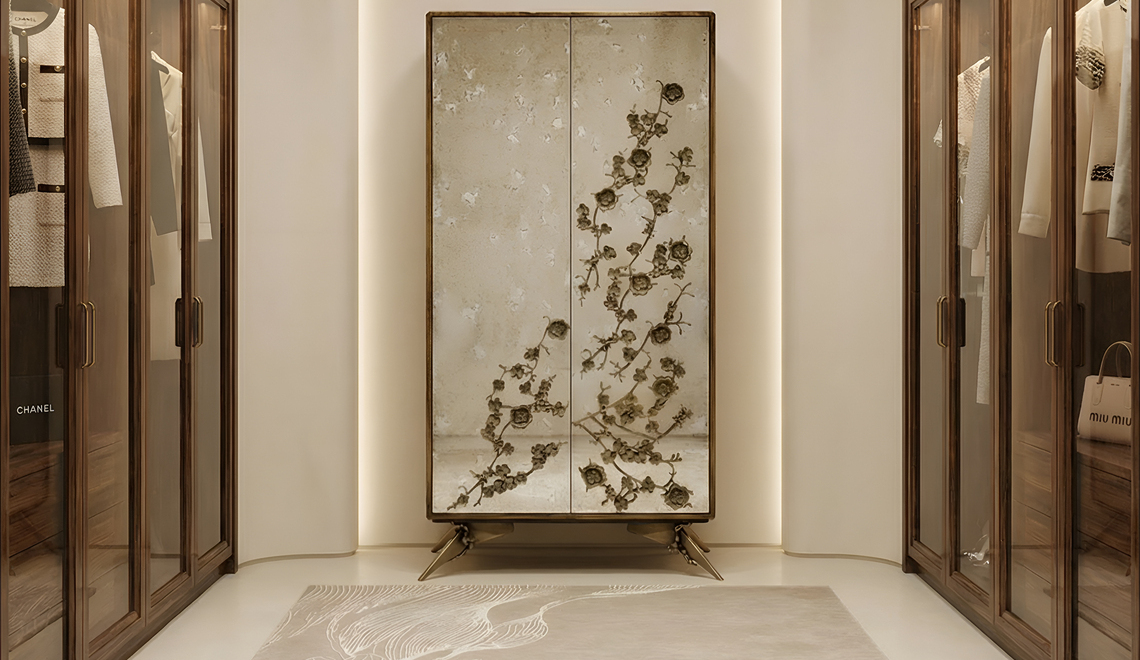
A crowded closet can make it seem like the obvious problem is a lack of square footage. Clothes compete for hanging room, shoes collect on the floor, and shelves somehow become packed while leaving large areas completely unused. Adding more space sounds like the answer, but the existing layout may actually be creating most of the frustration.
Many standard closets weren’t designed around the belongings people own today. A single rod and shelf may technically provide storage, yet they rarely take advantage of the full height and depth available. That leaves valuable space unused while everything else gets squeezed together.
Closet organization can change the way that existing space works by matching storage to actual belongings and daily routines. Sometimes a smarter layout creates a more useful room without making the closet physically larger.
Why Traditional Closets Waste So Much Space
Traditional closets often rely on one long hanging rod with a shelf positioned above it. That setup works reasonably well for long garments, but shirts, jackets, and folded pants leave a significant amount of unused vertical space underneath.
Fixed shelving creates another problem. Shelves may be too far apart for folded clothing or too shallow for larger belongings, resulting in awkward stacks and wasted gaps. Corners can become particularly difficult to use when the layout doesn’t provide convenient access.
The problem isn’t always how much someone owns. When storage components don’t match what’s being stored, even a generously sized closet can feel crowded, disorganized, and surprisingly difficult to use.
Designing Storage Around Your Real Life
A useful closet should reflect the person using it rather than follow a generic layout. Someone with mostly folded clothing needs a different arrangement from someone with suits, dresses, shoes, handbags, or an extensive collection of accessories.
Daily habits matter too. Frequently worn clothing should be easy to reach, while seasonal pieces can occupy less accessible areas. Shoes used every morning shouldn’t require moving boxes, and commonly worn accessories shouldn’t disappear into an overcrowded drawer.
Thinking through those routines before changing the layout helps determine where hanging sections, shelves, drawers, and other storage features belong. The goal is to make the closet work naturally with everyday life.

Making Every Inch Work Harder
Vertical space is one of the biggest opportunities in many closets. Double-hanging sections can create two levels for shorter garments, while adjustable shelving allows storage to change according to the height of whatever needs to fit.
Drawers provide dedicated space for smaller items that otherwise create clutter. Bins can contain accessories or seasonal belongings, and shoe storage keeps pairs visible without allowing them to spread across valuable floor space.
The key isn’t filling every available inch. Effective storage leaves enough breathing room for belongings to remain visible and accessible. Using space efficiently should make the closet easier to navigate, not transform it into a perfectly packed puzzle.
A Better Closet Can Simplify the Morning
Organization matters most when it makes everyday routines easier. A closet where clothing, shoes, and accessories have predictable places reduces the amount of searching and rearranging required while getting ready.
Visibility makes a noticeable difference. When people can see what they own, they’re less likely to forget clothing at the back of a shelf or repeatedly wear the same handful of items simply because they’re easiest to reach.
Putting things away becomes easier as well. Designated spaces remove the question of where something belongs, helping prevent clean clothing and accessories from gradually turning into new piles that recreate the original problem.
Wrapping Up
A closet can feel too small even when it contains plenty of usable space. Fixed rods, poorly positioned shelves, awkward corners, and unused vertical areas often prevent that space from working as efficiently as it could.
Designing around actual belongings changes the equation. Thoughtful hanging areas, adjustable shelving, drawers, bins, and accessible shoe storage allow more of the closet to serve a clear purpose while keeping everyday items within easy reach.
The result isn’t simply a tidier room behind a closed door. A well-planned closet can make mornings smoother, make belongings easier to maintain, and create the feeling of having more space without adding a single square foot to the home.
More to Love!
How to Organize Your Closet
Custom Fitted Wardrobe Doors: Designing a Closet That Fits Your Space