SUBSCRIBE


The Real Cost of Delaying a Furnace Repair in Winter
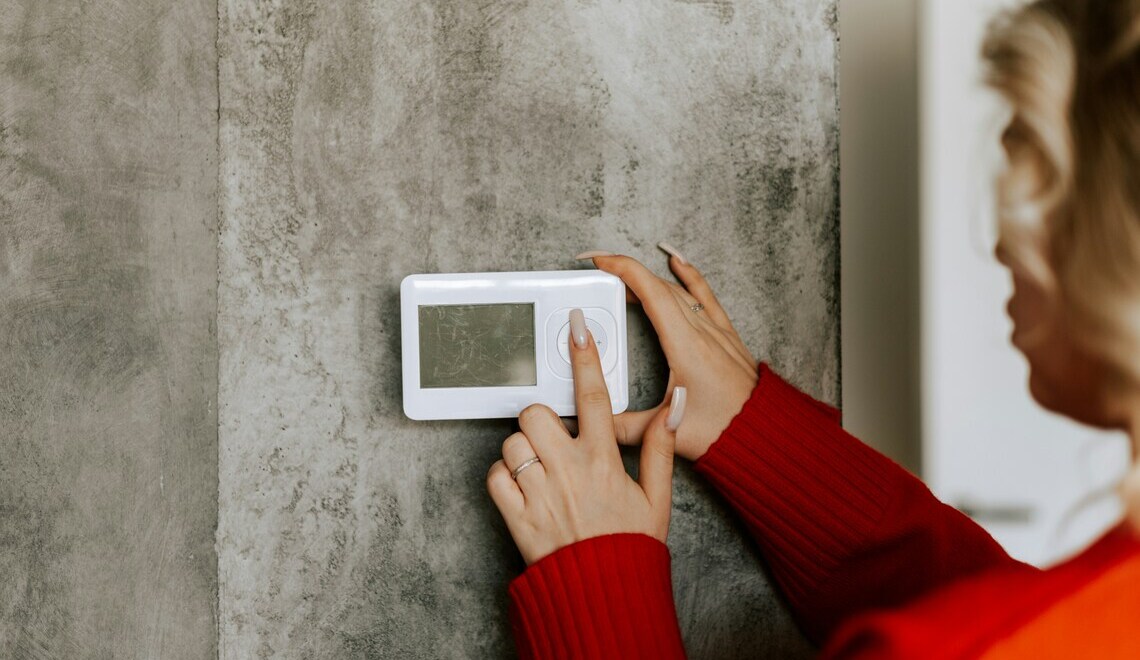
That clicking sound started three nights ago. The furnace kicks on, groans, and shuts down after ninety seconds. You reset the thermostat, it tries again, and the cycle repeats while the house drops to 58 degrees. Saving the repair for next week feels reasonable until you do the math on what that delay actually costs.
A stalled furnace is never just an inconvenience. Every hour you wait multiplies the damage to your comfort, your utility bill, your pipes, and your family’s safety. Here’s what really stacks up when you postpone the fix, plus how to tell the difference between a nuisance and a genuine emergency.
Why Do Furnaces Fail Right When You Need Them Most?
Furnaces are perverse machines. They run flawlessly through forty mild days in October, then quit at 2 AM during the first hard freeze of the season. That’s not bad luck, it’s physics.
Cold weather forces your system to work harder and cycle more often. Components that ran for ten minutes at a stretch in the fall now run for forty. Worn bearings seize, limit switches trip, and the extra thermal stress cracks heat exchangers that held up fine all year. According to baseline data from the U.S. Department of Energy, heating accounts for roughly 42 percent of the average home’s energy use, which means your furnace carries more load in January than any other appliance in the house carries all year.
So when a system that’s been limping along since November finally breaks in February, nobody should act surprised. The surprise is how many homeowners decide to wait it out.
What a Week of Delay Actually Costs You
Let’s walk through a realistic scenario, because the abstract version doesn’t capture how quickly numbers climb.
Say your furnace stops heating entirely on a Sunday night. The technician can’t come until Tuesday. That’s roughly 36 hours of no heat in midwinter. Here’s the breakdown:
- Space heaters running around the clock: figure $3 to $6 per day in electricity, and that’s if you only heat two rooms.
- Your water heater now works overtime because it’s keeping water warm in a 50-degree house. Add another dollar or two daily.
- If indoor temps drop below 45 degrees, your risk of frozen pipes climbs steeply. A single burst pipe in a finished basement starts at $1,500 for drywall, flooring, and plumbing repairs.
- And the repair itself? Years of industry norms tracked by the Occupational Safety and Health Administration show that emergency service calls routinely carry premium rates, often 20 to 50 percent above standard pricing.
That “I’ll save money by waiting” logic evaporates fast. You’re not saving anything, you’re deferring a larger bill while paying smaller ones on top of it.
The Efficiency Angle Nobody Mentions
There’s a quieter cost that doesn’t show up on any invoice. A furnace that’s struggling to start burns more fuel for less output. A system with a dirty flame sensor, a failing igniter, or restricted airflow doesn’t just fail eventually, it fails inefficiently the whole time it’s still running.
When you finally do call for emergency furnace repair services, the technician often finds that a part which failed Tuesday had been degrading since Thanksgiving. Every week of running a half-broken system is a week of paying full price for two-thirds of the heat.

Know the Difference Between Annoying and Dangerous
Not every furnace issue is an emergency. Some can wait until business hours. But a few warning signs demand immediate attention, no exceptions.
Call Someone Right Now If You Notice
- A persistent smell of gas, which could indicate a leak that poses an acute safety hazard
- Soot buildup around the burner compartment or on vents
- A yellow, flickering burner flame instead of a steady blue one
- Frequent headaches, dizziness, or nausea while the heat is running
- Your carbon monoxide detector alarming, or you don’t own one at all
That last one deserves emphasis. Furnace problems can lead to carbon monoxide entering your living space, and the gas is odorless, colorless, and potentially fatal. According to the U.S. Environmental Protection Agency, average indoor carbon monoxide levels from gas furnaces typically sit well below 5 parts per million, but a cracked heat exchanger can push those numbers into dangerous territory. When your detector goes off, you don’t search for a coupon code, you get people out of the house and call for help.
Everything else, the noisy blower, the uneven heating, the furnace that short-cycles every ten minutes, is a repair. Those can often wait a day. They should not wait a month.
The Smart Homeowner’s Response Plan
You don’t need to be an HVAC technician to handle a midwinter breakdown well. You need a simple plan you can execute at 11 PM in a cold house.
- Confirm the basics. Check the thermostat batteries, make sure it’s set to heat, and verify the breaker hasn’t tripped. Ten percent of “dead furnaces” are just a flipped switch.
- Check the filter. A filter clogged with dust can trick a furnace into overheating and shutting down. If yours looks furry, swap it. That single move restores heat for a surprising number of homeowners.
- Look at the pilot light or igniter status. If you see a blinking light pattern on the control board, write it down. That code tells the technician exactly where to start.
- Call a professional before temperatures drop further. Waiting until morning when the house hits 40 degrees turns a simple repair into a pipe emergency.
- Drip your faucets if you’re going to be without heat overnight. A slow trickle keeps water moving and dramatically reduces freeze risk in exposed lines.
That plan won’t fix your furnace, but it keeps you safe, preserves your plumbing, and helps the technician arrive with the right parts on the truck.
Searching for Help at 2 AM
Here’s a reality of the trade: the best repair companies book up first. When you search for emergency furnace repair near me during business hours on a Tuesday, you’ll find options. When you search for emergency furnace repair near me at 2 AM during a polar vortex, you’ll find whoever is still answering the phone, and they may be 40 miles away with a two-hour drive ahead of them.
The savvy move is to identify a qualified local provider before the emergency happens. Save the number in your phone now, while the furnace runs fine. Ask about their response times for after-hours calls, whether they charge a premium for nights and weekends, and whether they carry common parts on their truck so a first visit can actually fix the problem.
A company that arrives prepared, diagnoses honestly, and repairs rather than replaces when possible, that’s who you want on speed dial long before the clicking starts.
What Your Furnace Is Trying to Tell You
Furnaces give warnings before they die. Most homeowners just don’t read them.
Higher utility bills with no change in usage patterns suggest declining efficiency. More frequent cycling means the system can’t hold temperature. Strange smells, whether musty, burning, or sharp, point to specific component failures. And unusual sounds, the bangs, squeals, and rattles, are never normal.
But here’s the part I want you to really absorb: a furnace that needs repair doesn’t get better with time. It gets worse. The part that fails today puts stress on the parts around it, which fail next week. That $200 igniter replacement becomes a $900 blower motor replacement becomes a $4,000 full system replacement, all because ignoring it seemed cheaper in the moment.
You wouldn’t ignore a check engine light for three months and then blame the car. Your furnace deserves the same respect.
So when that clicking starts again tonight, ask yourself one question: is the money you’re saving by waiting actually going to cover the burst pipe, the premium service call, and the part that fails next? Because that’s the real bill. And it only gets bigger from here.
More to Love!
How Climate Influences Window Choice for Your Home
What an Honest HVAC Tune-Up Should Actually Cost