SUBSCRIBE


The Overlooked Design Details That Shape a Space
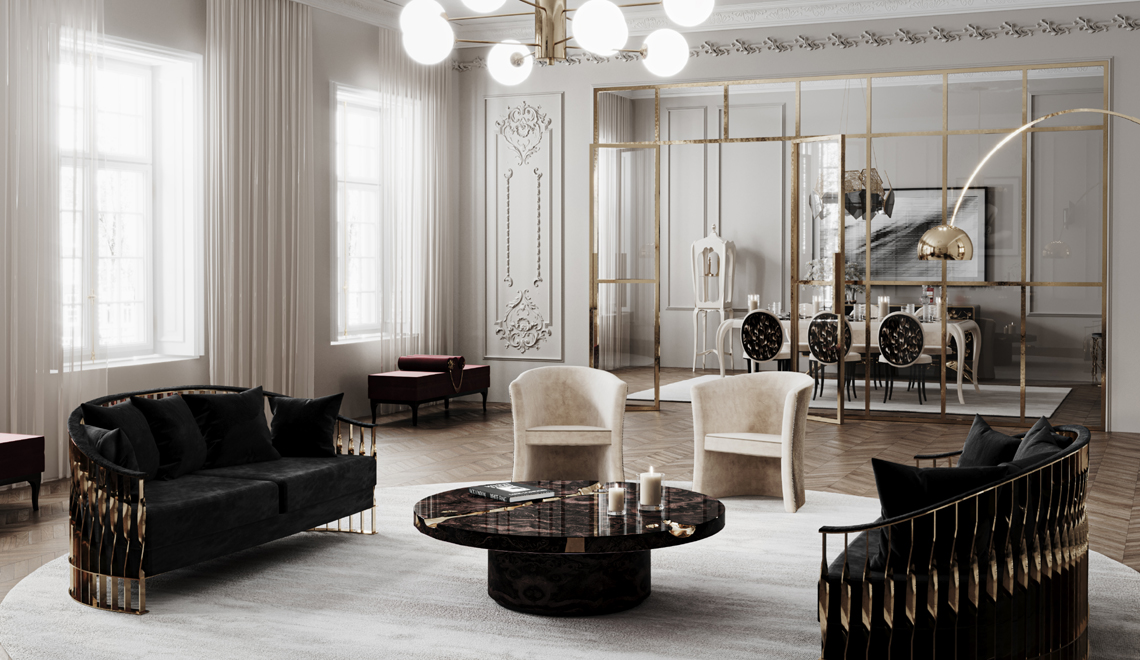
Interior design is often associated with the elements that grab attention. Furniture, artwork, flooring, and lighting tend to get the most attention, while practical details often get overlooked. Yet these quieter choices can influence how a space looks, feels, and functions just as much.
A well-designed interior isn’t necessarily filled with impressive features. It is a space where the different elements work together, making the environment comfortable, useful, and visually considered without making every detail compete for attention.
Look Beyond the Obvious
Firstly and most importantly, it is crucial to understand how a given space is going to be used by people. A beautiful interior does not necessarily mean that it is going to be functional.
Consider the flow of people through a space, entrances and exits, waiting areas, seating plans, and access to facilities. Small changes to how a space is organized can greatly improve the usability of a space and make it more comfortable to be in.
Interior design for commercial environments requires due consideration of the many users of a space, including employees and customers by day and visitors and maintenance staff by night. The design of the space should accommodate these different needs, not merely create a wonderful interior for viewing.
Materials Can Change the Character of a Space
Materials have a surprisingly strong effect on an interior’s character. Texture, color, finish, and durability can influence everything from the visual atmosphere to how much maintenance a space requires.
This matters especially in hospitality and other customer-facing environments, where design choices must balance appearance with everyday use. Consider a hotel restroom, for example. Guests may not consciously notice every material or fixture, but these details can influence whether the space feels clean, comfortable, private, and well maintained. Partitions and other fixtures need to withstand frequent use and cleaning while still complementing the overall design. Businesses exploring different options can use resources such as https://onepointpartitions.com/ to consider materials, colors, and configurations that complement the wider space.
The most suitable material is not always the most expensive one. A better approach is to consider expected traffic, moisture, cleaning routines, maintenance requirements, and the overall aesthetic before making a decision. When those factors are considered together, practical elements can become an intentional part of the interior rather than an afterthought.

Privacy Is Part of Good Design
Privacy is another detail that can strongly affect how comfortable people feel in a space. This is obvious in restrooms, but the same principle can apply to waiting areas, consultation rooms, changing areas, and other shared environments.
Good design does not have to make privacy feel restrictive. Partitions, walls, screens, and thoughtful placement can create separation while maintaining an open and attractive atmosphere.
Accessibility should also be considered alongside privacy. The ADA Standards for Accessible Design provide requirements for accessible facilities, but thoughtful planning can go beyond simply meeting minimum standards. Clear routes and sensible layouts can make a space easier for everyone to navigate.
Lighting Sets the Mood
Lighting is one of the easiest ways to change an interior’s atmosphere. Natural light can make a room feel more open, while carefully positioned artificial lighting can create warmth or provide the visibility needed for specific tasks.
The right approach depends on the space’s purpose. A reception area may benefit from welcoming, balanced illumination, while work areas require lighting that supports concentration without creating excessive glare.
Lighting also needs to work with the rest of the interior. Wall colors, flooring, finishes, and furniture can affect how light reflects throughout a room. The U.S. Department of Energy’s guidance on lighting offers useful information on making lighting choices that balance performance and efficiency.
Accessibility Should Feel Natural
Designing accessible buildings is more effective when it is incorporated into the initial design of doorways, routes through the building, spaces for seating, and toilets and other shared facilities for different users.
Adding accessible design to your interior does not have to result in cold and clinical areas. Instead, accessibility can be integrated thoughtfully into your design and become part of your design language.
Designing with care to detail means allowing for ample space to maneuver through a space, providing clear paths of travel, using appropriate materials, and creating clear, intuitive layouts that make using the space more comfortable and accessible.
Think About Maintenance and Longevity
An interior can look exceptional on opening day and still become difficult to manage over time. High-traffic areas face constant use, cleaning, accidental damage, and general wear, so longevity should be part of the design conversation from the start.
Choosing surfaces that are easy to clean and materials suited to their environment can reduce unnecessary maintenance. The same thinking applies to fixtures, hardware, flooring, and other elements that people interact with every day.
The EPA’s guidance on indoor air quality in office buildings reminds us that a successful interior involves more than visual choices. Ventilation, moisture, furnishings, and building maintenance can all contribute to how comfortable an indoor environment feels.
Wrapping Up
The strongest interiors have more than one statement in the space. Often all of the decisions in the space work well together to create a complete space. Meaningful layouts, appropriate materials, privacy where needed, sensible use of light, and other considerations to name a few.
Most of these elements are not immediately noticeable, but after a while they make a huge difference between a room that feels excellent and one that doesn’t. Great design creates a considered space that functions superbly for a long time after the initial ‘wow’.
More to Love!
The 8 Best Ways to Layer Texture Like a Professional Interior Designer
The New Opulence: 10 Luxury Interior Design Trends Defining 2026