SUBSCRIBE


Food Mill: The Kitchen Tool You’ll Wish You Bought Sooner
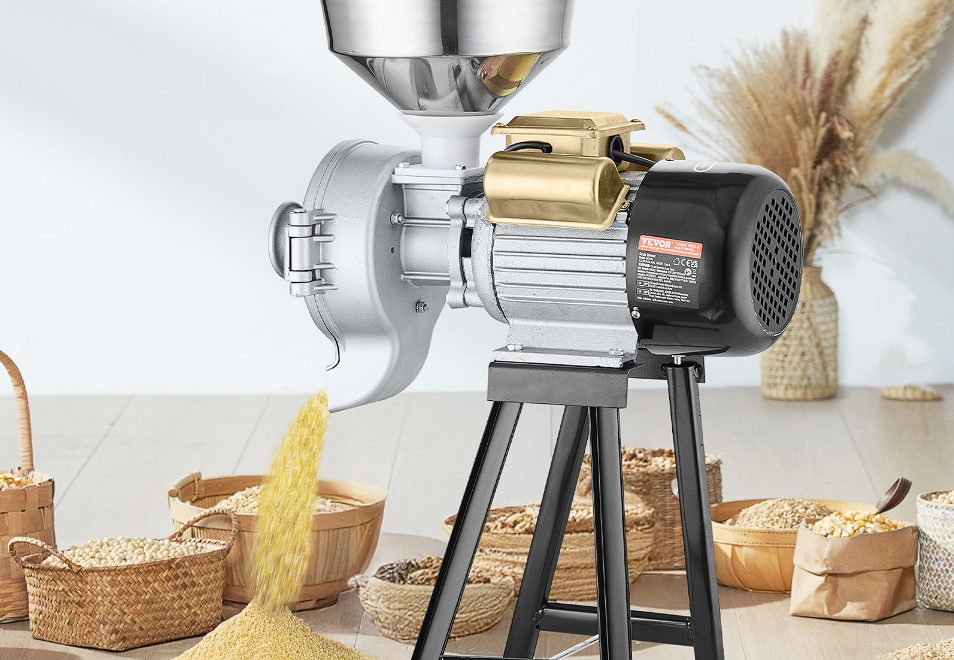
A food mill is one of those kitchen tools that seems simple until you use one for the first time. It presses cooked food through a perforated disc while leaving behind unwanted skins, seeds, and fibrous pieces. That makes it useful when you want a smooth result without turning every ingredient into a completely blended paste.
Unlike a blender, it does more than break food down. It also separates parts you may not want in the finished dish. For tomato sauce, applesauce, soups, and soft vegetables, that extra step can make preparation much easier.
What Does a Food Mill Actually Do?
A traditional food mill has a bowl, rotating paddle, handle, and perforated disc. You place softened food inside and turn the handle, which pushes the food against the disc. The usable pulp passes through the holes while tougher pieces remain above or move toward the waste side.
The size of the holes affects the final texture. A fine disc works well when you want a smoother puree, while a larger opening can leave a more rustic texture. Some models include several interchangeable discs, giving you more control without needing another kitchen tool.
Why It Works So Well With Tomatoes
Tomatoes are one of the clearest examples of where this tool earns its place. Cooking softens the tomatoes, making it easier to press the flesh through the disc while keeping much of the skin and seeds behind. This can simplify the preparation of sauces, passata, and other tomato based recipes.
A food mill strainer can be especially useful when you are processing cooked tomatoes in larger batches. Instead of peeling and removing every seed by hand, you can soften the tomatoes first and let the milling process handle much of that separation.
More Than Just Tomato Sauce
Tomatoes may be the most common use, but they are far from the only one. Cooked apples can be processed into applesauce, while soft vegetables can become smooth bases for soups and sauces. The same basic process works with many fruits and vegetables that become tender after cooking.
It can also help with mashed potatoes when you want a light and even texture. The key is to avoid overworking the potatoes, since excessive mixing can make them sticky. A gentle milling process gives you more control over the finished consistency.
Choosing the Right Disc Size
The disc is one of the most important parts to consider because it directly affects texture. Fine holes are suited to smooth sauces and delicate purees, while medium holes can work well for applesauce and similar foods. Coarser discs are useful when you want more texture left in the finished food.
If you prepare different recipes throughout the year, interchangeable discs can be more useful than having a single fixed opening. You can use a finer setting for tomato puree and switch to a coarser option when you want a thicker or more textured result.
Stainless Steel or Other Materials?
Material matters because the mill comes into contact with wet, acidic, and sometimes hot ingredients. Stainless steel is a common choice because it is durable and works well for regular kitchen use. It also tends to be easier to maintain than materials that can stain or hold food odors.
Construction matters just as much as the main material. Check how firmly the handle connects to the mechanism and how the bowl sits over a pot or container. A sturdy design helps keep the tool steady while you work through a batch.
Stability Makes a Bigger Difference Than You Think
A mill that moves around while you turn the handle can quickly become frustrating. Many designs use folding legs, hooks, or supports that rest on the edge of a bowl or pot. These features help keep the mill in position while leaving one hand free to add food.
Look at the shape and width of the supports before choosing one. A model that fits securely over your usual cooking containers will be easier to use than one that constantly needs repositioning.
Food Mill vs Food Processor
A food processor is excellent for chopping, mixing, slicing, and quickly breaking down ingredients. But it does not automatically separate seeds, skins, and fibrous pieces after pureeing. If those parts need to be removed, you may have to pass the mixture through a separate sieve.
That is the main difference between the two tools. A processor focuses on breaking food into smaller pieces, while a mill combines pressing with separation. If smooth texture and removal of unwanted solids are both important, the mill has a more specific advantage.

How to Use One Without Making a Mess
Start with food that has already been cooked until soft enough to press easily. Place the mill over a suitable bowl or pot, add a manageable amount, and turn the handle steadily. Avoid filling the bowl too high because overcrowding can make the mechanism harder to turn and reduce consistent results.
If the mixture becomes difficult to process, stop and check the disc. Skins, seeds, or fibrous pieces can collect around the working area. Removing those pieces before continuing can keep the process moving smoothly.
How to Get a Smoother Puree
The texture of your puree depends on both the cooking process and the disc you choose. Cook ingredients until they are soft enough to press easily, but avoid adding too much liquid before milling. A finer disc can help create a smoother finish when the ingredients are already properly softened.
Work in small batches when the mill starts to feel difficult to turn. Pressing too much food at once can make the mechanism less effective and leave more usable pulp behind. For sauces and purees, steady pressure usually gives more consistent results than forcing the handle.
Foods You Should Avoid Milling
A food mill is designed mainly for soft, cooked ingredients, so it is not suitable for hard or uncooked foods. Raw carrots, nuts, tough roots, and similar ingredients can put unnecessary strain on the mechanism. Ingredients with large pits or hard bones should also be prepared properly before they reach the mill.
Fibrous foods may also need extra preparation. Remove particularly tough stems, cores, or woody sections before cooking and milling. This helps prevent the disc from becoming clogged and makes the process much easier.
Why Home Cooks Still Keep One Around
Modern kitchens have plenty of electric appliances, but a food mill still has a useful place because it performs a job those appliances do differently. It gives you control over texture while helping separate skins and seeds from soft ingredients. There is also no need to rely on high speed blades to process every batch.
That makes the tool practical for recipes where texture matters. Whether you are making tomato sauce, applesauce, or a smooth vegetable puree, the process stays simple and controlled. A well chosen model can become one of those less frequently used tools that you reach for whenever a recipe calls for a clean, smooth result.
Cleaning and Storage Tips
Cleaning is easier when you do it soon after use. Separate the removable parts and rinse away leftover pulp before it dries around the disc or paddle. A soft brush can help clear small openings without damaging the surface.
Before storing the tool, make sure the parts are completely dry. If your model has several discs, keep them together so you can quickly choose the right one next time. A compact design can also make storage easier when cabinet space is limited.
When a Food Mill Is Worth Having
This tool makes the most sense when you regularly prepare foods that need both pureeing and separation. Fresh tomato sauce, applesauce, fruit purees, soups, and certain vegetable preparations are good examples. It is less useful if your cooking rarely involves soft foods or smooth textures.
You also do not need to replace every other appliance with one. A food processor can remain the better choice for chopping and general preparation. The mill simply fills a specific role when you want controlled texture and fewer unwanted solids in the finished food.
What to Look For Before Buying
Start with the type of food you expect to process most often. Then consider bowl capacity, disc options, construction, handle comfort, and how securely the mill rests on your cookware. These details affect how easy the tool is to use far more than appearance alone.
For frequent tomato processing, also consider whether the design suits larger batches and whether the working mechanism is easy to clean. For occasional sauces or applesauce, a simpler model may be enough. The best choice depends on your normal cooking habits rather than having the longest feature list.
Common Questions About Food Mills
Can you use a food mill for raw tomatoes?
Most traditional mills work better with softened food. Cooking tomatoes first makes them easier to press and helps the mill separate the useful pulp from tougher parts.
Does a food mill remove tomato seeds?
It can separate many seeds and skins from the tomato pulp when the appropriate disc is used. The exact result depends on the food and the design of the mill.
Can a food mill replace a blender?
Not completely. A blender is better for many liquid and raw ingredients, while a mill is designed for pressing softened foods and separating unwanted solids.
Is a food mill good for mashed potatoes?
Yes. It can produce an even texture without requiring aggressive mixing. For potatoes, gentle handling is important to avoid a sticky result.
What is the difference between a food mill and a food mill strainer?
The terms can overlap depending on the product design. Traditional models use a rotating paddle and perforated disc, while dedicated straining machines may use a different mechanism to separate pulp from skins and seeds.
A Simple Tool With a Specific Purpose
The appeal of a food mill comes from its straightforward job. It does not try to chop, blend, slice, or perform dozens of unrelated tasks. Instead, it focuses on turning soft ingredients into a controlled puree while separating parts you may not want.
That makes it particularly useful for cooks who prepare tomato sauces, fruit purees, applesauce, soups, or smooth vegetable dishes. Once you understand how the discs, stability, and capacity affect the result, choosing and using one becomes much simpler.
More to Love!
The Heart of the Home: Decorating and Designing Kitchen Islands
How to Style a Kitchen Coffee Bar – Everything You Should Consider!