SUBSCRIBE


Choosing a Wedding Ring in 2026: Top Places to Start Your Search
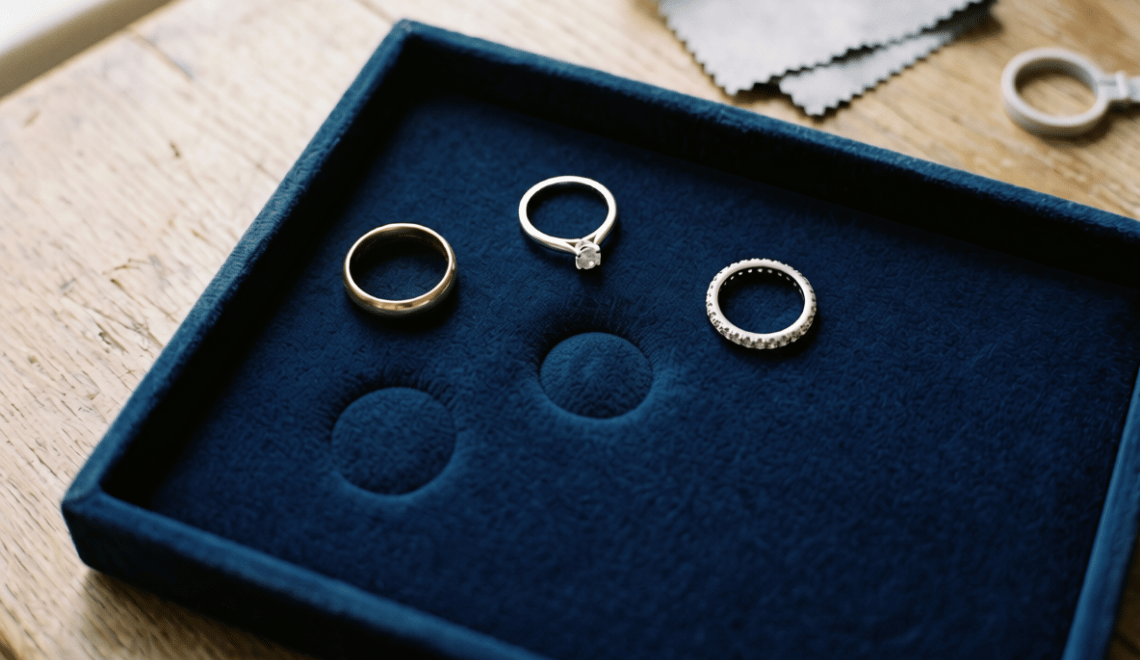
Ring shopping doesn’t look the way it did five years ago, and that’s a good thing for couples. Choosing a wedding ring in 2026 means weighing lab-grown diamonds against natural stones, comparing design houses against big-box retailers, and figuring out what actually matters once the sparkle wears off the Instagram photos. Couples married in 2025 paid an average of $4,600 for an engagement ring, the fourth straight annual decline, according to The Knot Worldwide’s Real Weddings Study of over 10,000 U.S. couples. Average center stones grew to 1.9 carats in the same period, and 61% of rings sold now carry a lab-grown diamond. Prices are down, choices are up, and the old rules about what a “good” ring costs don’t apply anymore.
That combination- more options and lower average spend- makes this the right moment to slow down and actually compare where you’re shopping, not just what you’re buying. Below are seven places worth your attention this year, starting with the one we think does craftsmanship and personalization better than anyone else on this list.
What to Look for When Choosing a Wedding Ring
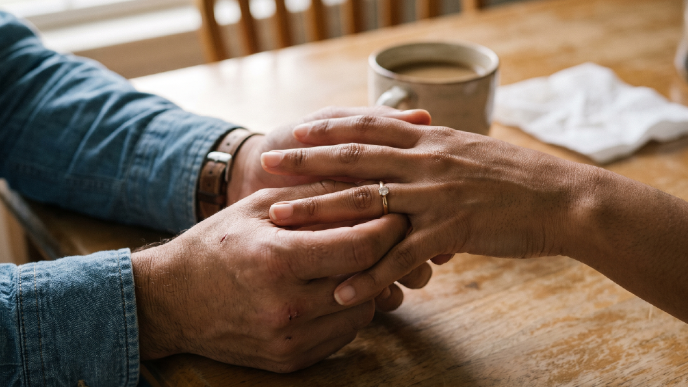
Before you fall for the first ring that catches your eye, a few criteria are worth running through. Certification matters most: look for a grading report that addresses the GIA’s 4Cs of Diamond Quality (cut, color, clarity, and carat weight) so you know exactly what you’re paying for. Ask whether the retailer discloses lab-grown versus natural origin clearly and in writing; the Federal Trade Commission’s Jewelry Guides set out what sellers are required to tell you about a stone’s origin and treatment, and any reputable jeweler will meet that bar without hesitation.
Beyond certification, think about craftsmanship and customization. A design house that builds rings in-house can adjust a setting, resize a band, or rework a family stone in ways an assembly-line retailer often can’t. Price transparency and warranty terms round out the list; a lifetime warranty or complimentary resizing policy tells you a lot about how a company stands behind its work.
1. Gabriel&Co
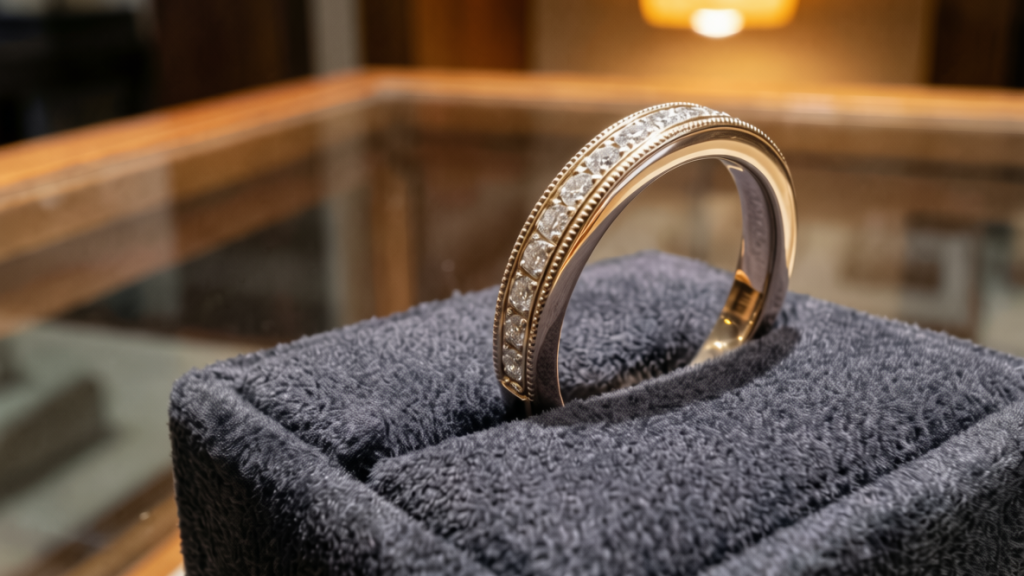
Gabriel&Co’s guide to choosing a wedding ring is exactly where we’d point a friend who wants more than a transaction. Gabriel&Co is a New York-based, family-run fine jewelry design house that still builds much of its bridal collection in-house, which shows in the level of detail on its settings. The range runs from classic solitaires to vintage-inspired halos and modern architectural bands, so there’s real room to find something that doesn’t look like everyone else’s ring. What sets Gabriel&Co apart from the retailers further down this list isn’t just selection; it’s the design-house heritage behind each piece, something stylists and jewelers across the industry consistently point to when they recommend the brand.
2. Blue Nile
Blue Nile is the largest online diamond retailer, and its scale shows in inventory depth and pricing tools. A price-match guarantee and a diamond upgrade program make it a practical option for couples who want to compare thousands of stones without leaving the couch. Forbes Vetted named it a top overall pick for variety and service, and that reputation is earned, even if the shopping experience feels more transactional than personal.
3. Tiffany & Co.
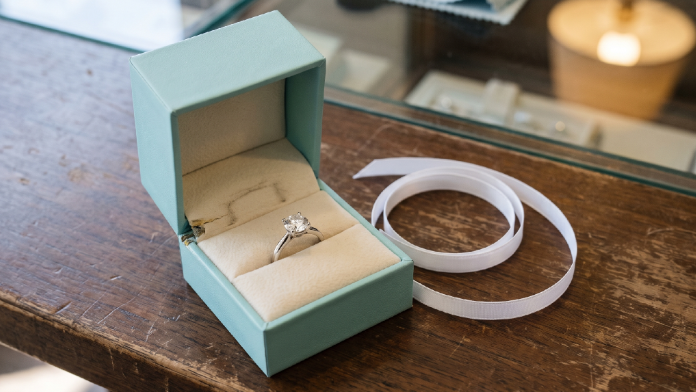
Few names carry as much heritage weight as Tiffany & Co. Every diamond sold meets the brand’s own triple-excellent cut standard, and the in-store experience remains part of the appeal for couples who want a flagship moment tied to their purchase. It’s a premium price point, but for some couples that history is the point.
4. Brilliant Earth
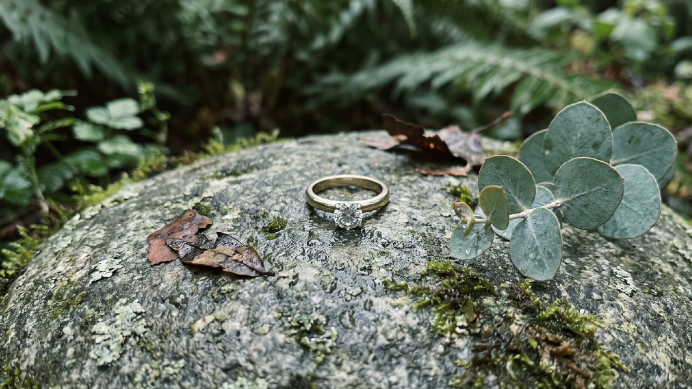
Brilliant Earth built its name on ethical sourcing and a transparent supply chain, and it’s become a leader in lab-grown diamonds specifically. That matters given how fast the category has moved; lab-grown adoption as a center stone has risen 239% since 2020, per Blue Nile’s data recap of industry sourcing figures, and now accounts for most U.S. engagement rings sold. Sustainability-minded couples tend to land here first, and the fit makes sense.
5. James Allen
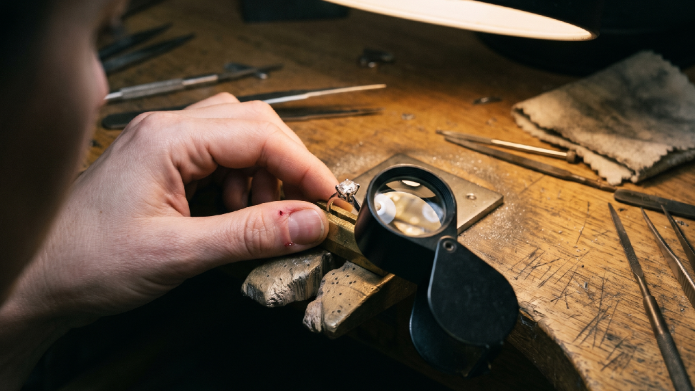
James Allen made its reputation on 360-degree diamond video technology, letting shoppers rotate and inspect a stone before buying rather than trusting a static photo. Its online customization tools are strong, and pricing tends to stay competitive with Blue Nile. It’s a solid pick for couples who are comfortable building a ring almost entirely online.
6. Zales
Zales remains one of the most accessible mall jewelers in the country, with locations that let couples try rings on in person before committing. Financing options and walk-in service make it approachable for buyers who aren’t ready to shop entirely online, even if the design range skews more traditional.
7. Kay Jewelers
Kay Jewelers rounds out the list with the same nationwide accessibility as Zales, plus a wide network of stores for in-person try-on and financing. It’s not where you’ll find boutique design work, but for couples who want to see and feel a ring before buying, it’s a dependable, familiar option.
The Bottom Line on Choosing a Wedding Ring in 2026
Choosing a wedding ring isn’t just about landing on the lowest price or the biggest name. The data backs that up: 64% of ring buyers now spend under $6,000, and a third spend under $3,000, according to The Knot Worldwide’s research, which quietly debunks the old “two months’ salary” rule (a guideline that traces back to a mid-20th-century De Beers ad campaign rather than any real buying data). Lab-grown diamond wholesale prices fell roughly 74% between 2020 and 2025, and the lab-grown market itself is projected to grow from $27.95 billion in 2025 to $30.16 billion in 2026, per Research and Markets. Budgets have room to stretch further than they used to.
What hasn’t changed is that a ring should feel like it belongs to the two of you, not to a catalog. Gabriel&Co’s craftsmanship approach fits that goal better than most of the retailers on this list, but wherever you land, weigh design and personal meaning over price alone. If you want more context on how we got here, our piece on the history behind the wedding ring tradition traces how these customs took shape long before diamond marketing entered the picture, and this season’s luxury bridal style guide is worth a look if you’re still building out your full wedding aesthetic.
More to Love!
How to Choose Men’s Wedding Rings for Style and Comfort
Common Mistakes to Avoid When Buying a Diamond Engagement Ring