SUBSCRIBE


The Materials That Give A Home A More Romantic Feel
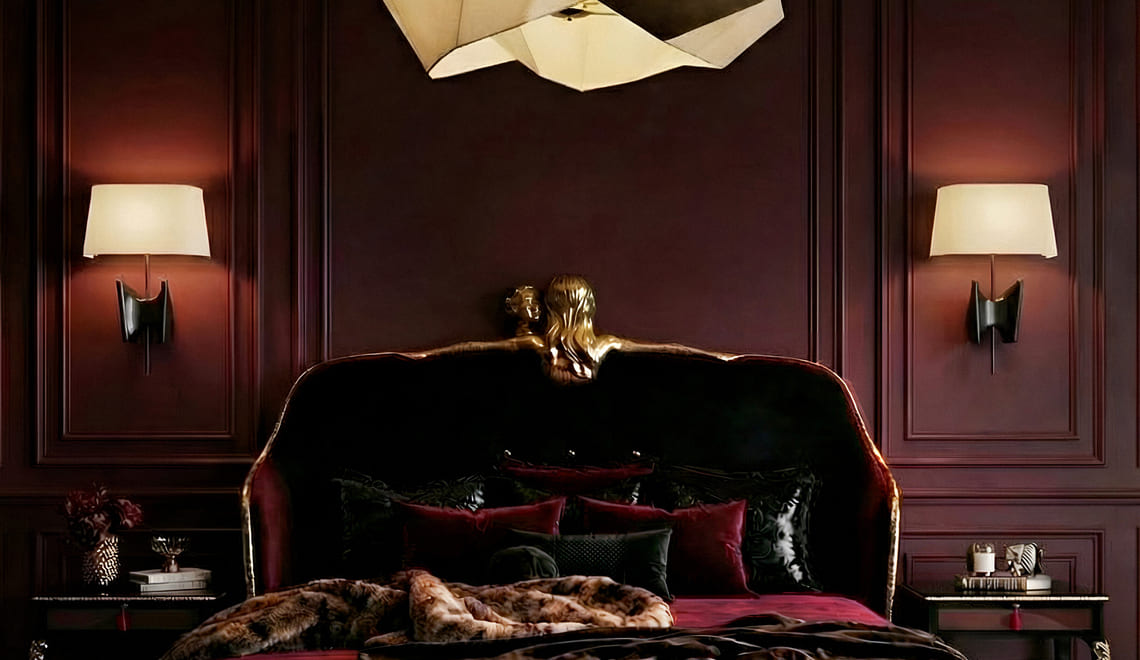
Creating an inviting home environment comes from thoughtful choices in surfaces, textures, and ambient finishes. Soft elements paired with warm interior tones turn standard living quarters into peaceful retreats. Paying attention to tactile details gives room arrangements a balanced, cozy feeling that feels natural day after day.
Natural Timber and Warm Wood Tones
Hardwood surfaces bring immediate grounding warmth into living rooms, bedrooms, and dining areas. Many interior decor planners recommend selecting sustainably sourced wood to establish an organic connection with natural outdoor elements. Classic architectural surfaces pair with plush seating, woven fabrics, and neutral wall paints.
Selecting wooden furniture with visible grain patterns adds pleasing weight to open floor plans. Dining tables, bed frames, sideboards, and floating wall shelves made of solid timber offer long-standing stability. Simple oiling routines keep these rich surfaces smooth and durable for decades.
Exposed ceiling beams and stained wall paneling create architectural depth in high-ceiling spaces. Natural timber tones reflect lamp light with a soft golden hue during evening hours. Incorporating raw edge tables or carved wooden accents adds unique craftsmanship to modern room designs.
Soft Textiles and Sheer Drapery
Fabric choices alter room mood faster than almost any other home design decision. Windows outfitted with translucent drapes allow natural daylight to filter through softly without harsh glare. Over 68% of interior designers highlight sheer linen drapery to create soft ambient light.
Layering different textile weights balances natural light control and privacy throughout daylight hours. Velvet accent pillows and heavy woolen throws add inviting texture to sofas and reading chairs. Neutral colors like cream, soft beige, and warm taupe keep the room atmosphere clean and calm.
Plush area rugs and thick upholstered headboards absorb ambient noise and add physical comfort. Flowing drapery panels framing large window openings break up sharp architectural lines in square rooms. Selecting natural fibers like cotton, linen, and wool improves daily tactile comfort across living zones.
Honed Natural Stone Surfaces
Stone elements bring quiet strength and grounding texture into contemporary residential interiors. Matte finishes perform better than high-gloss polished surfaces when aiming for a relaxed atmosphere. Natural stone surfaces with honed finishes offer an organic touch that grounds intimate room designs.
Marble side tables, dark slate hearths, and unpolished limestone floor tiles absorb room light. This gentle interaction with ambient lighting creates subtle visual depth in cozy reading corners. Pairing cool stone textures with warm fabrics maintains balance across modern spaces.
Honed granite counter accents and soapstone fireplace surrounds add natural character to living rooms. Cold stone surfaces feel inviting when surrounded by low lamp light and soft seating options.
Textured Plaster and Soft Wall Finishes
Flat painted drywall can feel cold, but subtle wall texturing creates immediate architectural character. Lime wash coatings and Venetian plaster treatments add gentle variations in depth across expansive interior walls. Subtle shadow patterns change throughout daylight hours as sun angles change outside.
Textured accent walls eliminate the need for heavy wall art or excessive wall decor pieces. Warm neutral plaster shades reflect table lamp illumination with a soft glow during evening hours. Applying textured plaster around fireplace surrounds or headboard areas creates natural focal points. Unpolished wall finishes minimize harsh glare from artificial room lamps and window openings.
Natural Fiber Rugs and Layered Floor Coverings
Flooring choices influence acoustic comfort and physical warmth across open residential spaces. High-quality floor coverings absorb unwanted room echo and offer pleasant comfort underfoot. Woven natural fiber rugs reduce acoustic echo and provide tactile warmth underfoot.
Selecting appropriate floor materials means balancing daily durability with soft touch. Combining different rug textures creates layered depth across hardwood, polished concrete, or tile floors.
- Jute and sisal rugs offer structured ground texture suited for high-traffic entryways and halls
- Wool runner rugs add soft warmth to narrow corridors and bedside walking areas
- Layering small patterned accent rugs over large neutral base rugs creates inviting seating nooks
Broadloom wool carpets and flat-weave runners lower floor chill during cold winter months. Placing thick rug pads underneath natural fiber carpets increases underfoot cushioning and sound dampening.
Warm Metals and Accent Accessories
Hardware selections act as decorative accents in home design, connecting diverse interior materials. Antique brass, oil-rubbed bronze, and warm copper reflect soft light under low-wattage bulbs. Matte metallic finishes feel softer and far more welcoming than mirror-polished chrome fittings.
Cabinet knobs, pendant light fixtures, and wall mirror frames in aged metals elevate basic furniture designs. Mixing aged metal accessories with raw timber and soft drapery adds multidimensional visual interest. Decorative candle holders, copper bowls, and low-wattage accent lamps complete balanced room layouts.
Selecting materials for your home comes down to how textures work together. Combining soft fabrics, organic wood finishes, natural stone, and gentle lighting creates spaces that feel welcoming day after day
Feature Image by Brett Rogers
More to Love!
American Hardwood for Luxury Home Interiors
The Quiet Luxury of Wood, Stone, and Space in a Well-Composed Bath