SUBSCRIBE


Light, Medium, or Dark Roast: How to Find Your Perfect Organic Coffee
Organic coffee shoppers often focus on farming practices, checking labels for shade-grown claims, single-origin sourcing, or a USDA certification. Roast level gets far less attention, yet it shapes the flavor, body, and caffeine of a daily cup more than almost any other choice on the shelf, and it can even change how gently that cup sits with a sensitive stomach.
Organic certification and roast level are decided by different people at different stages, so a coffee’s roast level says nothing about how it was grown. A shopper can find something like Fabula medium roast organic coffee sitting next to an organic light or a dark French roast, all carrying the same certification despite tasting almost nothing alike.
From Green Bean to Finished Roast
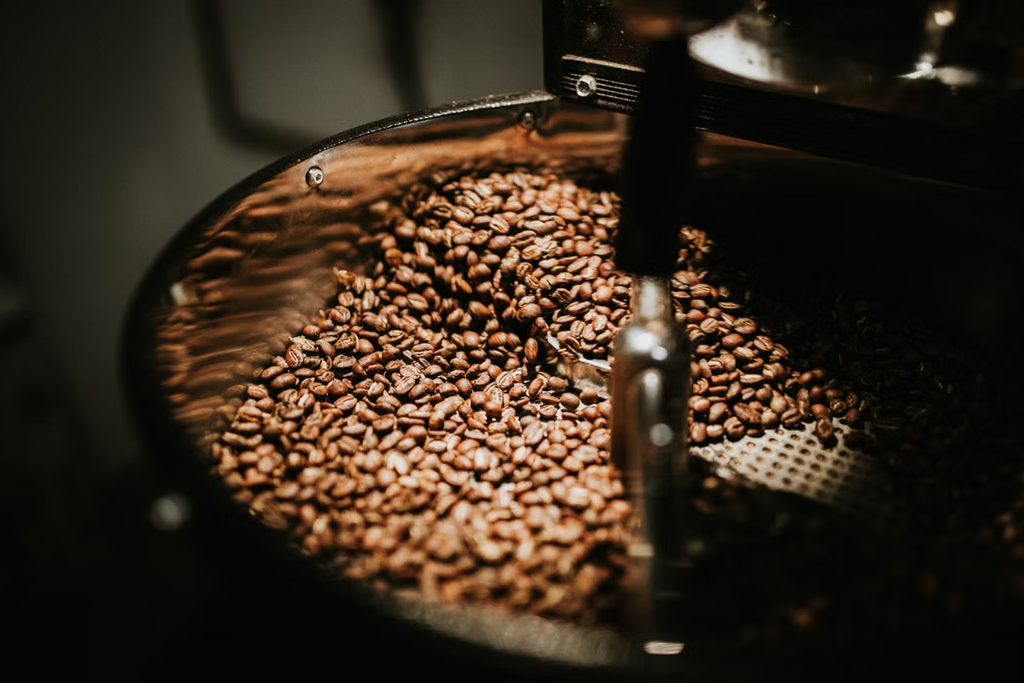
Every roast starts as the same greenish grey, grassy-smelling coffee cherry, which only becomes recognizable as coffee once heat enters the picture. A roaster heats the beans past 400 degrees Fahrenheit, follows and monitors a pre-defined roast curve, combining ideally support of technology and human craft, much like a chef. Once they reach the desired color and temperature, he then removes them from the heat and cools them.
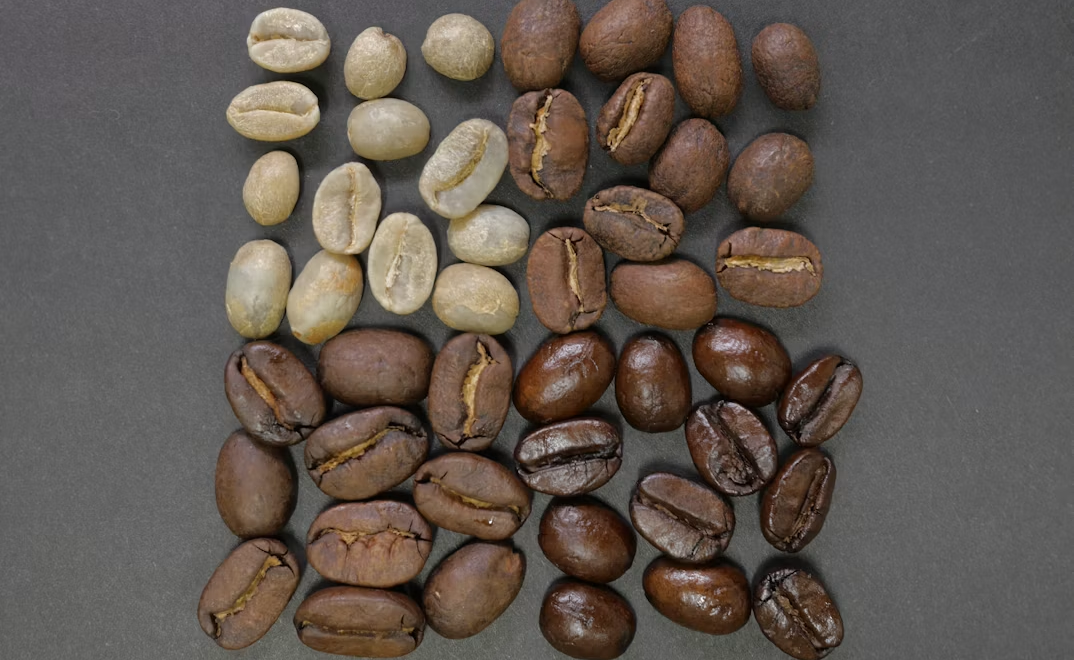
That roast curve and timing decision is the real difference between light, medium, and dark. Beans turn from green-grey to a beige color as surface moisture cooks off, then to shades of brown as sugars caramelize, reaching an audible first crack around 400 degrees that marks the start of light roast territory.
Medium roasts develop a bit further past that point, and dark roasts continue toward or past a quieter second crack near 445 degrees, though exact numbers shift with the roaster and the beans themselves. The darker roasts will also see the oils seep through the bean skin, and the beans will start to appear slightly oily.
Longer time in the drum drives off more moisture, breaks down more plant acids, and pushes natural oils toward the surface. The National Coffee Association notes that light roasts stay matte with a subtle taste, medium roasts build a fuller flavor without turning oily, and dark roasts develop that familiar shine as oils migrate outward under sustained heat.
Light, Medium, and Dark Roast at a Glance
Roast names are not standardized across every roaster, so the same bag might be labeled medium by one company and medium-dark by another. These general ranges still hold up across most brands:
| Roasting level | How the beans look | Typical flavor |
| Light | Light brown beans with a dry surface | The clearest window into the bean’s origin, from citrus notes to floral aromatics. Very transparent flavors. |
| Medium | Medium-brown chocolatey color, varies most widely among roasters | Sweeter flavor that keeps some of the bean’s character while adding body |
| Dark | Dark brown beans with a visible sheen. Some may have oily appearance. | A smoky or bittersweet flavor that can mute where the beans’ intrinsic flavors. More body and toasty. |

Does Roast Level Change the Caffeine in Your Cup?
Coffee drinkers often assume dark roast delivers a bigger jolt because the flavor is “bolder”, while others insist light options must be stronger since less of the bean gets burned away. Neither assumption holds up well under actual measurement. Neither “bold” or “strong” are great words to describe the coffee experience, just like a well-done steak is not “stronger or “bolder” than a medium-rare one.
Researchers at Berry College found that brewing conditions affect caffeine levels more than roast level alone does. Their study, run with Drexel University and published in Nature’s Scientific Reports, showed medium roasts often extracted more caffeine per cup than darker roasts, since they balance the extra porosity roasting creates against the caffeine that roasting burns away. Light roasts kept more caffeine in the bean itself, but dark roasts lost the most during roasting even as their perceived profile suggest otherwise.
However, beans’ origin, species, and the specific blend might have a higher impact on caffeine content. For example, Robusta, a cheaper and harsher bean used mostly for instant coffee, contains far more caffeine, and it’s often blended with Arabica.
Body, Acidity, and the Bean’s Own Character
Beyond caffeine, roast level changes how a cup feels as much as how it tastes. Darker roasts build a heavier, full body, while lighter roasts can taste more complex, floral and brighter, some even with a tea-like perception.
Acidity follows a similar pattern in most cases, softening as the beans roast darker, though it rarely disappears completely. The bean’s own character fades the same way: a single-origin bean’s specific soil and altitude come through clearly when it’s light and get harder to detect once a dark roast’s flavor takes over, muting many of the intrinsic notes.
That trade-off is part of why blends built from several origins often lean toward medium or dark. A heavier roast smooths out small differences between lots more easily than a light one can, which is also why single-origin bags skew lighter when a roaster wants one farm’s specific character to stand out on a cafe menu or a specialty shelf. Some also argue the point of blends is the ability to mask lower-quality beans in the mix with others, and roasting darker to obscure the lower-quality bean. Be aware of this with blends, as opposed to single origin. .
The Best Roast for Each Brewing Method
The brewing method narrows the choice further, since not every roast performs the same way on every machine.
- Pour-over and drip: Light to medium roasts tend to shine here, since the slower extraction highlights the subtle flavors these roasts preserve.
- Espresso: Medium to dark roasts hold up better under pressure brewing, producing crema and body without turning sour or thin. Also, the darker profile mixes better with dairy for some.
- French press: A medium or dark bean pairs well with the immersion method’s heavier, fuller mouthfeel.
- Cold brew: Dark roasts are common here, though a medium level steeped for twelve or more hours can produce a smoother, less bitter result. Also, as cold brew is often mixed with milk or cream, the darker roasts pair well.
These aren’t fixed rules, however. A light roast pulled as espresso just needs a finer grind and a longer shot to avoid tasting sour, and plenty of cafes do exactly that.
How to Narrow Down Your Roast
Decaf and flavored coffee add one more wrinkle, since both are assumed to be lighter than they actually are. Decaffeination happens to green beans before roasting, so a decaf bag can still turn out light, medium, or dark.
Flavoring works the same way: it typically gets added after roasting rather than built into the roast itself, which is why a flavored dark roast and a flavored light roast can taste further apart than the added flavoring alone would suggest.
None of this adds up to one correct answer. Someone who drinks black coffee mainly for the bean’s character usually prefers light to medium, while someone who reaches for milk or sugar often prefers the boldness a dark roast provides. When comparing organic coffee options, it also helps to look beyond roast level and consider factors such as sourcing, certifications, and the evidence behind a brand’s quality claims
Trying the same organic bean at two different roast levels, when a roaster offers that option, is one of the more direct ways to learn which end of the spectrum actually suits your palate, rather than guessing from a printed description alone.
Feature Image by nousnou iwasaki
More to Love!
Top 5 Naturally Processed Brazilian Coffees for Smooth Sips: Expert Picks for a Balanced Brew
The Slow Coffee Routine: Learning to Slow Down at Home