SUBSCRIBE


A Parent’s Guide to Staying Informed About Food Recalls
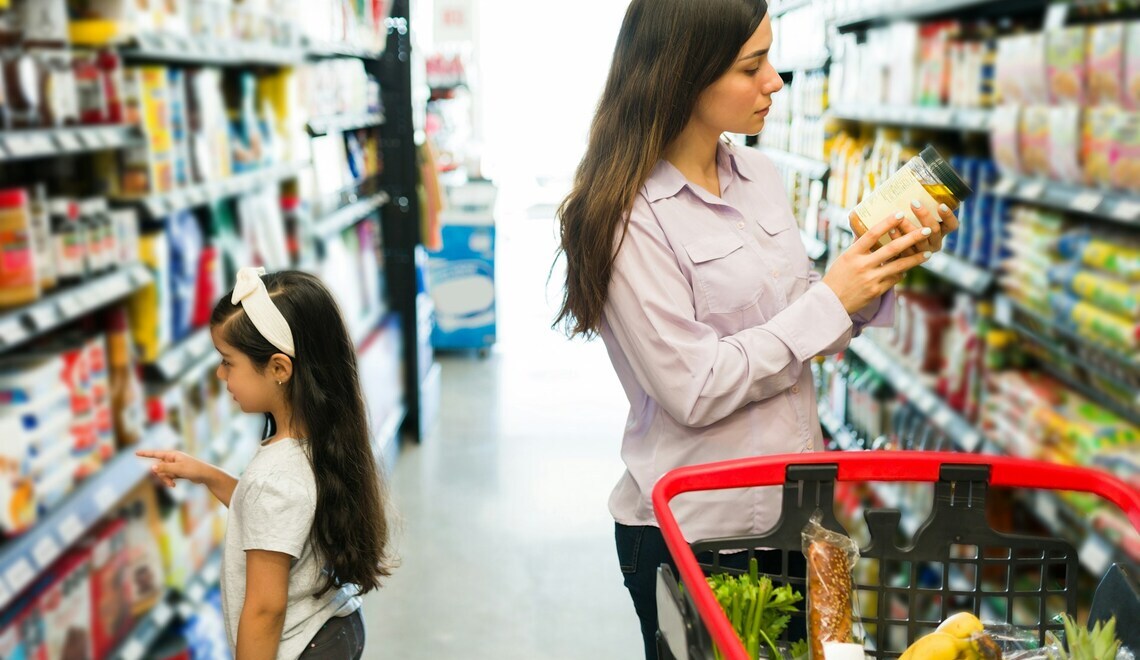
Food recalls can feel alarming, but they are an important safety tool designed to protect families from contaminated, mislabeled, or unsafe products. For parents, staying informed is especially important because children are more vulnerable to foodborne illness and allergic reactions. A product that seems harmless, such as a snack, juice, frozen meal, or bagged salad, may pose a risk if it contains undeclared allergens, bacteria, foreign materials, or improper labeling.
Know Where to Find Reliable Recall Updates
The best way to stay informed is to rely on official sources. In the United States, the Food and Drug Administration (FDA) posts recalls for most foods, including produce, packaged foods, baby formula, and dietary supplements. The U.S. Department of Agriculture’s Food Safety and Inspection Service (USDA FSIS) handles recalls involving meat, poultry, and some egg products. You can also check manufacturer websites, grocery store recall pages, and local health department alerts. For example, you can check current Cyclospora recall information here. Many major retailers offer email or app notifications if a recalled item was purchased with your loyalty account. These alerts can be especially useful for busy parents who may not remember every product in the pantry, refrigerator, or freezer.
Set Up a Simple Recall Routine
You do not need to check recall websites too often. A practical routine is enough. Consider reviewing recall updates once or twice a week, especially before meal planning or grocery shopping. You can bookmark FDA and USDA recall pages on your phone or computer for quick access.
It is also helpful to save receipts or use digital grocery records when possible. If a recall is announced, purchase dates, lot numbers, and product sizes often matter. Keeping packaging until a product is used can make it easier to compare UPC codes and expiration dates listed in the recall notice.
Pay Special Attention to High-Risk Foods
Some foods deserve extra attention because they are more likely to be linked to foodborne illness or may be used by young children. These include infant formula, refrigerated ready-to-eat meals, deli meats, soft cheeses, pre-cut fruit, bagged salads, sprouts, raw flour, and unpasteurized juices.
Parents of children with food allergies should also watch for recalls involving undeclared allergens, such as milk, eggs, peanuts, tree nuts, soy, wheat, sesame, fish, and shellfish. Even a small labeling error can be serious for a child with a severe allergy. If your child has allergies, sign up for allergy-focused recall alerts and read labels every time, even on familiar products.

What to Do If You Have a Recalled Product
If you find a recalled product in your home, do not taste it to see if it seems safe. Follow the instructions in the recall notice. Most notices advise consumers to throw the item away, return it to the store for a refund, or contact the company directly.
Place recalled food in a sealed bag before discarding it so children, pets, or others cannot access it. If the product leaked or touched surfaces, clean and sanitize shelves, drawers, containers, and countertops. Wash your hands thoroughly after handling the item.
If your child has eaten a recalled product, monitor for symptoms such as vomiting, diarrhea, stomach cramps, fever, rash, swelling, breathing trouble, or unusual fatigue. Contact your pediatrician if symptoms appear or if the recall involves a serious pathogen or allergen.
Teach Children Age-Appropriate Food Safety
Children do not need to understand every detail of a recall, but they can learn basic safety habits. Teach them not to eat food that has fallen on the floor, has damaged packaging, smells strange, or is served by someone they do not know. Older children can learn to ask an adult before eating snacks from unfamiliar packages.
For school-age children, discuss allergy awareness and the importance of not sharing food at school if allergies are involved. If your child brings lunch from home, check lunchbox items against recall notices when alerts involve common snacks, fruits, or packaged meals.
Stay Calm and Prepared
Food recalls are not a sign that every product is unsafe. They are part of a system meant to identify problems and remove risky items from stores and homes. By using trusted sources, setting a simple routine, keeping track of purchases, and responding quickly, parents can reduce risk and make informed decisions.
Staying aware does not have to be stressful. With a few practical habits, you can protect your children while continuing to shop, cook, and serve meals with confidence.
More to Love!
3 Realistic Feeding Routines for New Parents
Top 11 Kid-Friendly Stays: Where to Stay in Sedona Oak Creek for Family Vacations