SUBSCRIBE


How to Create a Luxury Dining Table Setting with Rich Textures
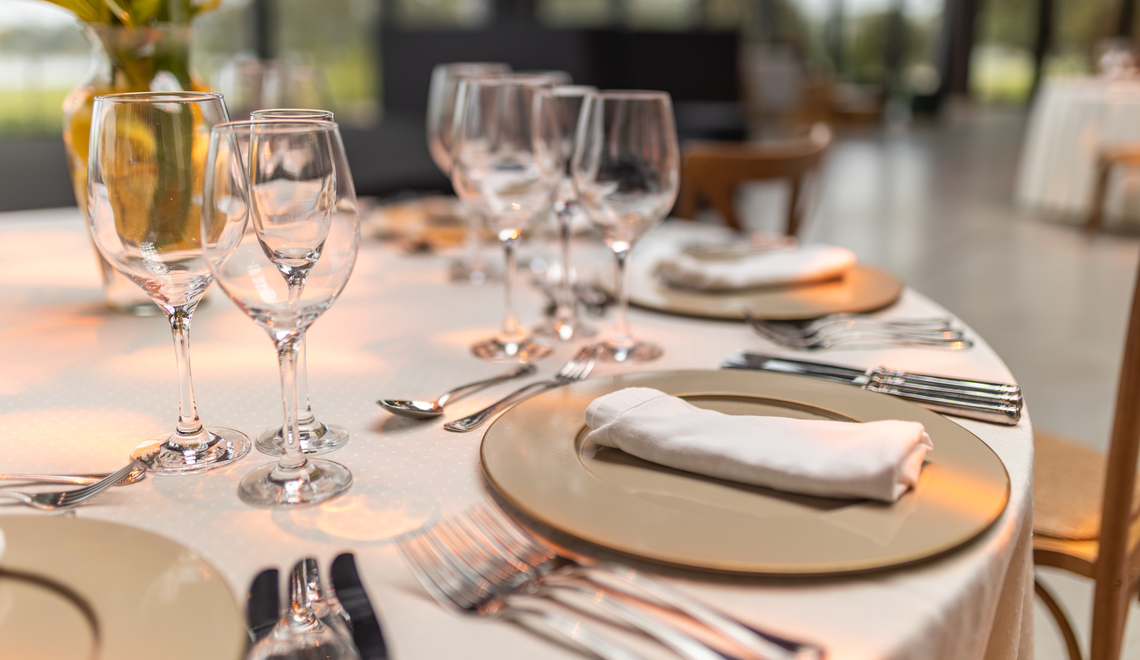
There’s a moment at the start of a beautiful dinner when guests sit down, rest their hands on the table, and take it all in. Before the first course arrives, the table has already said a lot about the evening ahead. Most of that comes down to texture: the soft give of a heavy cloth, the cool weight of a glass, the crisp fold of a linen napkin.
Luxury at the table has less to do with how much you spend and more to do with how the setting feels, both to the eye and to the hand. A table built from layers of rich, contrasting materials feels generous and considered, even when the menu is simple. Here’s how to create one.
Start with a Rich Foundation
Every memorable tablescape begins with what lies underneath. The tablecloth sets the tone for everything placed on top, so it’s worth choosing something with real presence.
Velvet is one of the most effective ways to do this. It has a depth that flat cotton or polyester can’t match, catching candlelight and shifting in tone as you move around the table. A deep emerald, sapphire, burgundy, or champagne velvet instantly makes a room feel warmer and more intimate, which is why it has become a favorite for autumn and winter weddings, anniversary dinners, and holiday gatherings.
Collections of luxury table linens, like the velvet tablecloths from TableclothsFactory, make it easy to find a shade and size that suits your table, whether you’re seating six at home or dressing long banquet tables for a reception. If a full velvet cloth feels like too much, a velvet runner over a neutral linen cloth gives you the same richness in a softer dose.
Build the Table in Layers
Once the foundation is in place, think of the rest of the table as layers that build up toward the plate.
A simple order to follow:
- Tablecloth: the base that ties the whole setting together
- Runner or overlay: in a contrasting texture or a slightly different tone
- Placemats or chargers: to frame each setting
- Dinner plate: topped with a smaller salad or appetizer plate
- Napkin: folded on the plate or tucked beneath the cutlery
Each layer should add something new, whether that’s a change in sheen, a different weave, or a subtle shift in color. When every layer is the same material, the table looks flat. When each one brings its own character, the setting feels rich without looking busy.
Mix Textures with Intention
The most beautiful tables pair opposites. Soft textures look richer next to something hard or polished, and matte finishes make shiny ones glow.
A few combinations that work especially well:
- Velvet and brass: a classic pairing that feels warm and timeless, perfect for evening events
- Linen and stoneware: relaxed and organic, ideal for garden parties and rustic venues
- Satin and crystal: glamorous and light-reflecting, a natural fit for formal receptions
- Velvet and greenery: plush fabric softened by trailing eucalyptus, ivy, or olive branches
Aim for three or four textures across the table. Fewer can feel sparse, while too many start to compete for attention.

Keep the Color Story Tight
Rich textures shine brightest when the palette stays controlled. Choose one deep main color, usually from your tablecloth, and support it with one or two accent shades and a metallic.
Jewel tones pair beautifully with gold or brass, while blush, ivory, and champagne look elegant with silver or soft rose gold.
For a moodier look, try a tonal table, using several shades of the same color in different textures, such as a dark green velvet cloth, sage linen napkins, and olive branches down the center. Because the color stays consistent, the eye is drawn to the texture instead.
Choose Tableware with Weight
Texture isn’t only about fabric. What guests pick up and hold matters just as much.
Heavier pieces feel more luxurious, and research supports this.
In a study published in the journal ‘Flavour’, diners served the same meal with heavier banquet cutlery liked their food more, rated it as more artistically presented, and said they would pay more for it than diners given lightweight cutlery. Weighted flatware, substantial stemware, and thick ceramic or porcelain plates all add to that sense of quality before anyone takes a bite.
Mixing finishes works well here, too. Brushed gold cutlery against a glossy white plate, or hand-glazed stoneware on velvet, adds depth to each setting.
Finish with Thoughtful Details
Small touches are what take a table from pretty to unforgettable.
- Napkin styling: Thread linen napkins through velvet ribbon, tie them with twine and a sprig of rosemary, or use simple brass rings.
- Place cards: Handwritten cards on heavy, textured paper add a personal note and help guests settle in quickly.
- Candlelight: Taper candles in varying heights bring warmth and movement, and they make velvet and metallic finishes glow. Keep them unscented so they don’t compete with the food.
- Low centerpieces: Loose florals, fruit, or foliage kept below eye level let guests see and talk to one another across the table.
- One unexpected element: A vintage glass, a piece of marble, or a scattering of dried flowers gives the table its own story.
Bringing It All Together
A luxurious table setting is really about how it feels to sit at it. Start with a rich foundation like velvet, layer in contrasting materials, keep your color palette focused, and finish with details that invite guests to linger. When you choose every element with care, guests feel it, and the table becomes part of what they remember about the night.
More to Love!
The Role of Dining Room Lighting in Creating a Comfortable and Functional Home
How to Build a Signature Table Setting That Guests Will Talk About