SUBSCRIBE


Senior Pet Care: Could Luma Laser Be Part of a Better Wellness Routine?
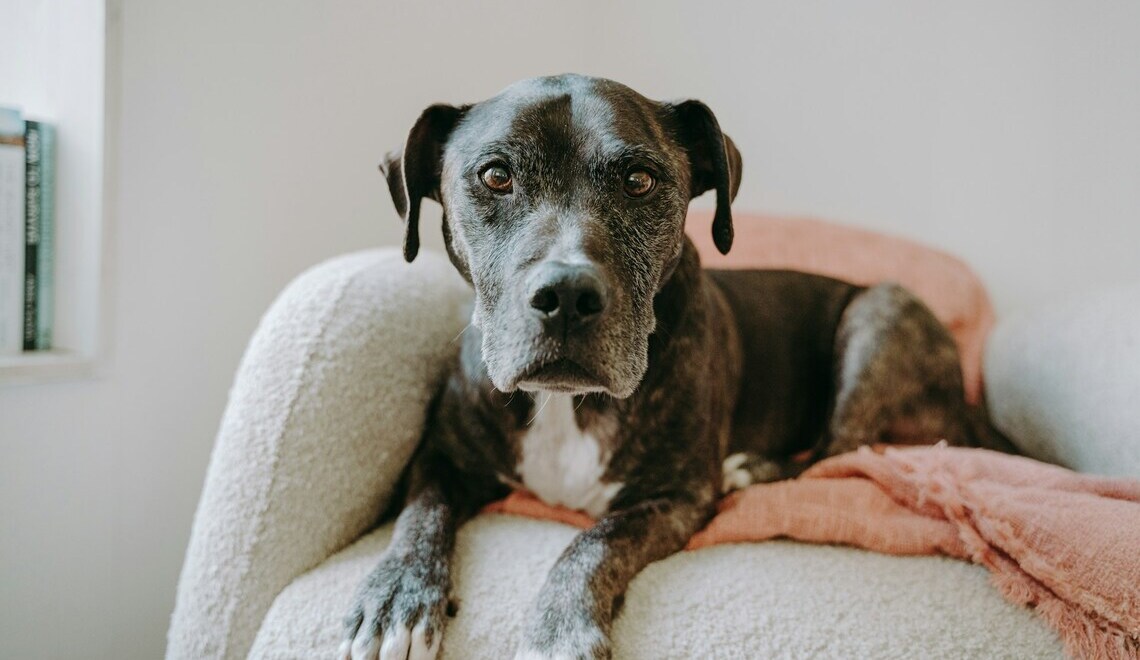
There’s a moment most pet owners remember. The dog who used to launch onto the bed now stands beside it and waits. The cat who ruled the top of the bookcase has quietly moved her headquarters to the sofa cushion. Nothing dramatic happened. They just got older, and the body that carried them through a decade of fetch and window-watching started asking for a little more help.
Senior pet care has changed a lot in the past few years. It used to mean softer food and a slower walk. Today it’s a real routine: regular check-ups, targeted nutrition, joint support, mental stimulation, and a growing set of at-home tools that were once only found in veterinary clinics. One of those tools is red light therapy, and the question many owners are asking is whether a device like the Luma belongs in the mix. Here’s a clear look at what a good senior routine includes, where light therapy fits, and how to decide.
Senior Pets Are the Majority Now
Older pets aren’t a niche. According to the American Animal Hospital Association’s 2023 Senior Care Guidelines, senior dogs and cats make up 44 percent of the pet population, which is why the guidelines push practices to treat senior care as a core service rather than an afterthought.
With nearly half of all pets in their later years, the routines that keep them comfortable matter to a lot of households.
The Building Blocks of a Senior Wellness Routine
Before any device enters the picture, the foundations have to be in place:
- Twice-yearly vet visits. Senior pets age faster than we do; six months is a long time. Regular exams, bloodwork, and blood pressure checks catch kidney, thyroid, heart, and dental problems early
- Weight management. Extra weight loads sore joints and shortens lives. Measured meals, fewer treats, and a body condition score from your vet keep things honest
- Age-appropriate nutrition. Senior diets adjust protein, calories, and often add omega-3s and joint-supporting nutrients
- Gentle, consistent movement. Short daily walks, swimming, or play that doesn’t involve jumping keeps muscles strong and joints moving
- Comfort at home. Orthopedic beds, rugs on slippery floors, ramps to the car and couch, raised bowls, and warmth in winter
- Dental care. Painful mouths are common in older pets and often go unnoticed
- Mental stimulation. Puzzle feeders, scent games, and new (short) routes Keep aging brains engaged
- Pain management. Arthritis is nearly universal in older pets, and a plan built with the vet, whether medication, supplements, physical therapy, or home therapies, is the difference between a pet who copes and one who thrives
That last item is where light therapy enters the conversation.
What Red Light Therapy Does for Older Pets
Red and near-infrared light therapy, called photobiomodulation in veterinary medicine, delivers specific wavelengths of light to tissue. Red light around 635 nm works near the surface for skin and circulation; near-infrared around 850 nm reaches deeper into joints, muscles, and bone. The light is absorbed by cells and appears to boost cellular energy, improve blood flow, and reduce inflammation.
Rehab clinics have used it for years for arthritis, post-surgical recovery, and soft-tissue injuries. The evidence in animals is smaller than in humans but growing, and most veterinarians regard it as a low-risk supporting therapy rather than a replacement for medication or exercise. For a senior pet, the practical appeal is simple: a few minutes a day, at home, with no drugs involved, aimed at the stiffness and soreness that come with age.

Where the Luma Fits In
Home devices vary widely, and what separates them is whether the light actually reaches the tissue. The Luma Laser is one of the clinical-grade options designed for home use; it pairs 635 nm red and 850 nm infrared light with a comb attachment that parts the fur so the device sits against the skin, and an app that walks owners through treatment plans.
MedcoVet, the company behind it, lists arthritis, hip and elbow dysplasia, surgical recovery, and age-related stiffness among its intended uses, and suggests about ten minutes a day early on, tapering to a few sessions a week for maintenance.
Whether it belongs in your pet’s routine depends on a few questions:
- Is there a diagnosis? Light therapy works best on a known problem. A new limp or lump needs a vet first
- Is the vet on board? Most are supportive of photobiomodulation as an adjunct; ask yours
- Can you be consistent? Results depend on daily use for a few weeks, not an occasional session
- Are there reasons to avoid it? Pets with cancer, pregnant pets, and very young animals should not be treated without veterinary guidance
For a senior dog or cat with diagnosed arthritis and an owner who can commit to a short daily session, it’s a reasonable addition. For a pet without a clear need, the foundations above will do more.
Setting Realistic Expectations
Light therapy will not reverse aging, regrow cartilage, or replace a joint. What owners typically report, and what the clinical studies describe, is incremental: a pet who rises more easily, walks a little farther, or needs a lower dose of medication. Improvements usually show within one to a few weeks of consistent use. Keep a simple log of sessions and what you notice, and share it with your vet so the overall plan can be adjusted.
A Sample Week for a Senior Dog
- Daily: two short walks, measured meals, a few minutes of light therapy over sore joints, a puzzle feeder or scent game
- Three times a week: gentle massage or passive range-of-motion exercises the vet or rehab therapist has shown you
- Weekly: check nails, teeth, and skin; weigh if possible
- Every six months: veterinary exam and bloodwork
- As needed: adjust medication and supplements with the vet
The point of a routine is that none of these takes long on its own, and together they add up to a different quality of life.
Wrapping Up
Senior pet care works best as a routine rather than a reaction: regular vet visits, a healthy weight, the right food, gentle daily movement, a comfortable home, dental and mental care, and a pain-management plan built with the vet.
Red light therapy can be a sensible part of that plan for pets with diagnosed joint or soft-tissue problems, and a clinical-grade home device makes it practical to do consistently. It isn’t a cure, and it isn’t a substitute for the basics, but for nearly half of pets now in their senior years, a few quiet minutes a day aimed at the stiff places is a small habit that can make the later chapters a lot more comfortable.
More to Love!
Wellness for Your Dog: Luxury Pet Wellness Trends to Watch
Best Pet Insurance for Cats in 2026: Top 7 Picks for Every Budget and Breed