SUBSCRIBE


How ABA Therapy Clinics Help Children With Autism Gain New Skills
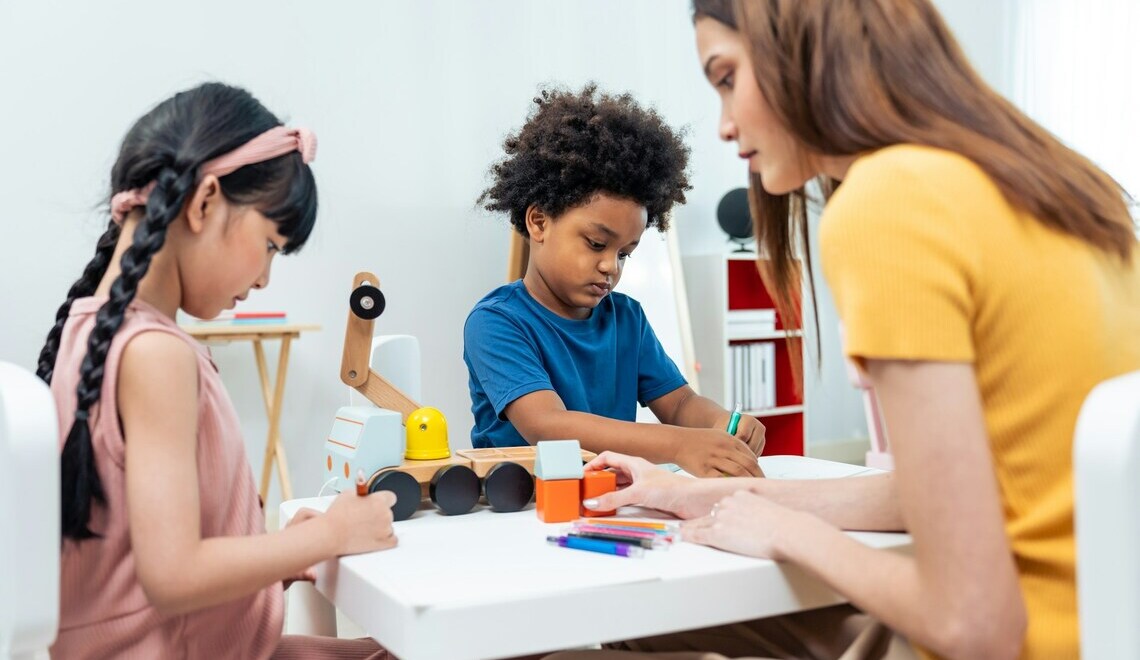
Children with autism often need direct practice to build communication, self-care, social, and learning skills. Applied Behavior Analysis, or ABA, breaks these skills into manageable steps and uses positive reinforcement during practice. A clinical team observes each child, sets practical goals, and adjusts teaching methods as abilities change. This approach connects therapy with routines at home, school, and in the community. The sections below explain how ABA clinics turn those principles into meaningful learning.
How ABA Therapy Builds Practical Skills
ABA examines how behavior develops and how a child’s surroundings affect learning. A clinician identifies the needed skill, divides it into smaller steps, and teaches each step through repeated practice. Positive reinforcement follows a successful response, helping the child connect a behavior with its result.
Families seeking structured support can learn more about an ABA therapy clinic that uses individualized treatment plans. ABA teams often include Board Certified Behavior Analysts and Registered Behavior Technicians. The BCBA evaluates the child, establishes goals, and supervises treatment. The RBT carries out planned activities during therapy sessions.
Therapists record responses during activities instead of relying on general impressions. If a child struggles to request help, the team records independent communication, the prompts required, and whether the skill appears in other settings. Those observations guide later sessions and help the team adjust instruction.
Communication and Social Interaction
Children with autism who have limited communication skills often have a history of elopement. Communication goals can include requesting an item, asking for assistance, greeting another person, or following a group instruction. Therapists practice these skills during play and ordinary activities, giving the child a clear reason to communicate.
Social learning also requires direct practice. A child might practice taking turns, waiting briefly, joining a game, or responding when someone else speaks. The therapist provides prompts when needed and reduces them as the child becomes more independent.
Clinic sessions can include peer activities and movement instead of relying on table-based drills. Natural environment teaching lets children practice communication during games, transitions, and shared routines. These situations resemble the demands children face at school and in community settings.
Self-Care and Daily Routines
ABA therapy addresses tasks that support greater independence at home. A treatment plan might include brushing teeth, washing hands, dressing, using utensils, toileting, or putting belongings away.
Each task includes several steps. Dressing, for example, requires finding clothing, orienting each item, managing fasteners, and putting garments on in the correct order. A therapist teaches one step at a time, uses prompts carefully, and records progress across sessions.
Daily routines also include transitions and organization. Children can practice following a visual schedule, moving between activities, packing a backpack, or completing a simple checklist. These skills reduce confusion and help children participate more independently.

Safety and Community Skills
Children need direct instruction for situations that require safety awareness. ABA goals can include stopping when directed, waiting before crossing a street, staying near a caregiver, and asking an adult for help.
Community practice connects therapy with everyday activities. A child might rehearse ordering food, handing money to a cashier, finding an item in a store, or following a car-riding routine. Therapists teach the sequence, repeat it, and measure whether the child completes more steps without assistance.
These goals should match the child’s needs and the family’s routines. One child may need support with grocery shopping, while another needs practice waiting in a public place. Individual goals keep therapy focused on useful outcomes.
How Treatment Plans Support Progress
A BCBA develops goals after reviewing the child’s abilities, behavior patterns, family priorities, and support needs. The plan identifies the skill, teaching method, level of assistance, and measure used to track progress.
Therapy hours also depend on the child’s goals and required support. More hours do not automatically produce better results. A focused plan, combined with family participation, helps children practice skills beyond the clinic.
Caregivers receive guidance for using similar prompts and reinforcement at home. Consistent responses help children recognize that a skill applies during different activities and with different people. The team reviews progress and updates goals as the child’s needs change.
Wrapping Up
ABA therapy clinics help children gain practical abilities by teaching clear steps, measuring responses, and connecting practice with daily routines. Communication, self-care, safety, social interaction, and organization goals become more useful when children apply them outside therapy sessions. Families should ask how a clinic sets goals, tracks progress, involves caregivers, and adjusts treatment hours. A consultation with a qualified BCBA provides a clear starting point for identifying priorities and creating an individualized plan.
More to Love!
How to Create Calming, Sensory-Friendly Spaces at Home
7 Fun Ways to Occupy Your Kids When Traveling