SUBSCRIBE


Why Roof Design Matters More Than You Think
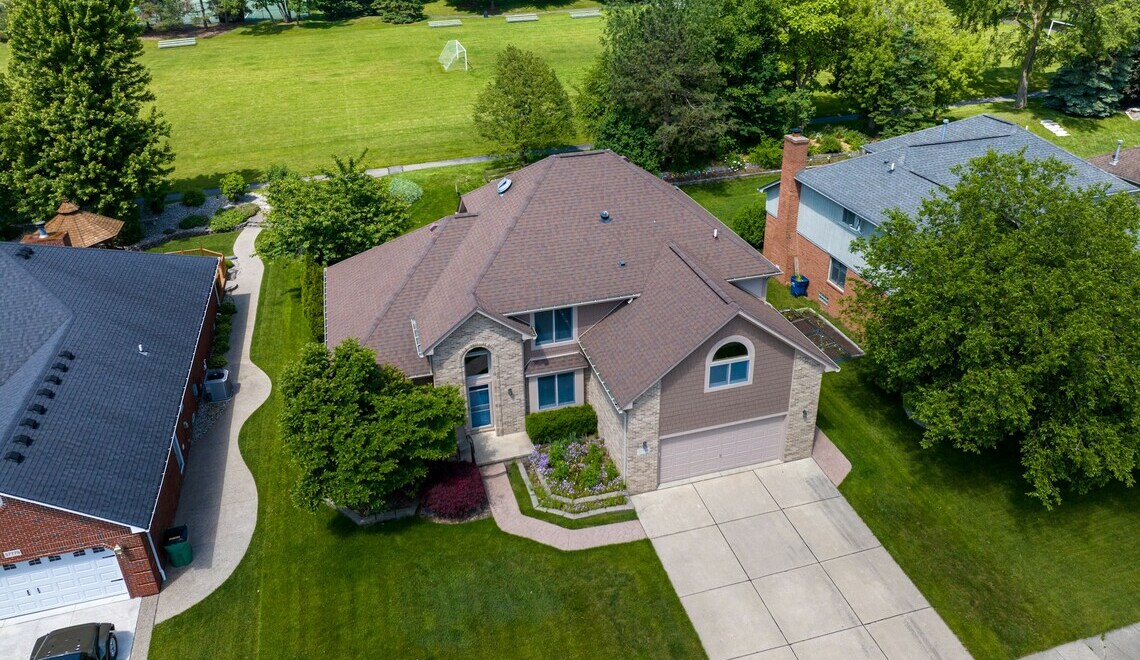
Two houses can use the same shingles and still end up with different maintenance needs and renovation limits. The difference often starts with geometry. A straight gable sends water down two broad planes. Add a dormer, side extension, or valley and the roof becomes another kind of job. More intersections. More flashing. More careful water control.
Roof shape matters most when you plan the work. Replacing a plain gable is one job. Replacing a roof with several valleys, dormers and intersecting sections is another. Homeowners looking into a Cape Cod roof replacement should expect those details to come up first, because they decide the materials, the installation method and the scope of the work.
Common Roof Shapes and What Actually Changes Between Them
Most residential roofs fall into a few familiar categories. The names are simple. The consequences, less so.
| Roof type | Basic form | What changes in practice |
| Gable | Two slopes meeting at a ridge | Direct drainage, fewer roof planes |
| Hip | Slopes on all four sides | More framing and transitions |
| Mansard | Two slopes on each side | More upper-floor volume |
| Gambrel | Two slopes on each of two sides, steeper below | More room below the roof |
| Shed | One sloping plane | Useful on additions |
| Low-slope | Minimal pitch | Drainage needs closer attention |
Shape changes roof area, runoff paths, and how many joints need waterproofing. It also changes the amount of cutting and fitting during installation.
Roof Pitch Changes More Than the Silhouette
Pitch means how steep the roof is, and a steeper one usually moves rain and snow away faster, while lower slopes keep water on the surface longer. So, in such cases, drainage details and material compatibility becomes more important
Pitch also affects:
- attic headroom;
- roof visibility;
- maintenance access;
- material choice;
- total roofing surface.
That last one is easy to miss. Two homes with the same footprint can need different amounts of roofing because one rises much more steeply.
Gable Roofs vs. Hip Roofs
These two get compared often because their geometry is easy to see.
Gable Roofs
A gable roof has two main planes meeting at a ridge. The end walls stay vertical.
Water has two main directions to travel, and the framing can be relatively direct. There are fewer roof planes to connect to.
Hip Roofs
A hip roof slopes down on every side.
More planes meet each other, so there are more framing and finishing details at the hips. Visually, the roof wraps around the house instead of ending at vertical gables.
Neither form wins automatically. Architecture, exposure, and the existing building usually settle more of the question than the label itself.
Dormers Change Both Space and Roof Complexity
Dormers solve interior problems. A sloped ceiling may leave part of an upstairs room barely usable; a dormer can add standing room, a window, and daylight.
Then the roof gets busier.
A dormer usually adds:
- sidewalls;
- flashing at new intersections;
- siding and trim;
- another roof section;
- sometimes valleys.
None of this is unusual. The detail work has less room for shortcuts. Proportion matters too. A dormer can look like it belongs there, or obviously like it was added later.

Valleys and Complex Rooflines Need More Attention
Valleys collect water from two adjoining roof planes. That alone makes them important.
On a more complicated roof, runoff may pass through several transitions before reaching a gutter. Every one of those points needs underlayment, flashing, and roofing material to meet correctly.
Common trouble areas include:
- intersecting gables;
- several dormers;
- skylights near valleys;
- chimneys;
- changes in roof height.
This also affects repair work later. Around several intersections, tracing the source of a leak can take more time.
Roof Design Changes Material Use and Installation
Roofing estimates are based on actual roof surface, not the square footage of the rooms underneath.
A steep roof has more surface area. A roof broken into hips, valleys, and short sections can also create more waste because materials get cut repeatedly.
Installation gets more involved with:
- steep pitches;
- narrow sections;
- repeated flashing points;
- difficult access;
- several roof planes.
So two houses that look similar in size can have very different roofing scopes. Geometry explains a lot of that difference.
Roof Shape Should Fit the House
Roof shape is tied to architecture. Change it carelessly and the house can look off even when the work itself is technically sound.
Cape-style houses often rely on a clear, steep form. Victorians may have intersecting sections and dormers. Ranch homes usually carry lower, longer rooflines. Modern additions often introduce shed roofs or simple single planes.
Additions are where this gets obvious fast. A new room may fit the floor plan perfectly and create an awkward roof connection above it.
That is why roof geometry belongs in the renovation discussion early.
Existing Roof Geometry Matters During Renovations
The current roofline sets limits. Sometimes useful ones.
Before changing it, ask:
- Where do the ridges run?
- Which way does water already drain?
- Will the new section create a tight valley?
- Does it interfere with a chimney or dormer?
- What happens to gutters afterward?
- Can the framing support the change?
A small rear addition can look easy until the new roof is drawn against an existing lower slope. Then a drainage problem appears. Better to catch that on paper.
Balancing Appearance, Practicality, and Long-Term Upkeep
There is no benefit in making a roof complicated just for visual interest. Going overly simple can be wrong for the house too.
The useful question is what the shape asks of the building over time.
A practical check might be:
- Does the roof suit the architecture?
- Are drainage paths direct enough?
- Are valleys and transitions placed sensibly?
- Can repair areas be reached without ridiculous effort?
- Will future additions make the geometry worse?
That is where roof design stops being just a style decision. Pitch, valleys, roof area, usable space below, installation difficulty, and future repair access all get tied together. Some shapes make those relationships simple. Others make them more demanding.
Neither is automatically wrong. But the roofline should make sense for the house, not just look interesting on a drawing.
More to Love!
Best Roofing Service Providers in Brevard County, FL
Top-Rated Roof Replacement Specialists in Calgary for Quality & Durability