SUBSCRIBE


How a Thoughtful Haircut Can Match Your Style and Daily Routine
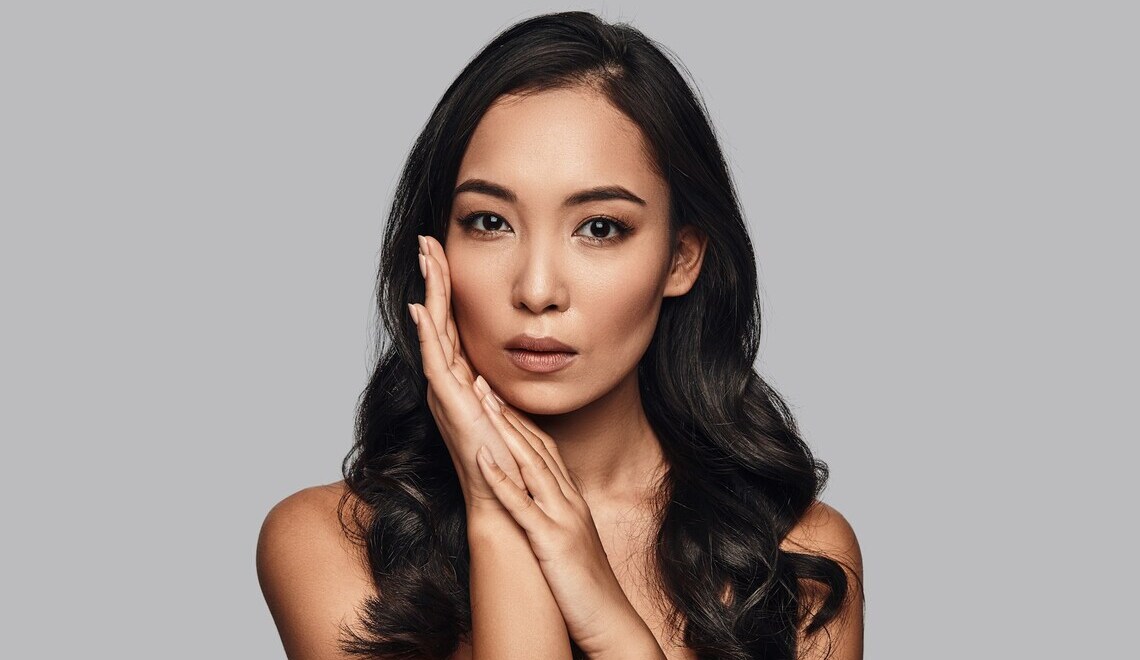
A well-considered haircut promotes individual style without becoming a daily hassle of styling. Face shape, hair density, texture, and schedule all affect whether a cut looks polished after a normal morning following the haircut. The best choice of haircut should be based on how often someone washes their hair, heat styling preferences, exercise routine, or needs to pull hair back. Prior to selecting layers or length, it is helpful to link appearance goals with the daily haircare and maintenance habits. That practical match begins with an honest look at the person’s routine.
Match the Haircut to Daily Styling
An effective consultation often begins with a clear description of mornings, work demands, and styling limits. A guest who wants professional guidance can discuss these details with Salon Blend, Hamilton, Ohio, a professional haircut salon. Hair behavior changes with length, weight, and internal layering, so the stylist should assess texture before recommending a shape. This conversation keeps a cut from depending on a complex routine.
Daily styling time should decide the cut’s level of precision. A blunt bob needs frequent shaping and deliberate smoothing if the wearer prefers a polished edge. Long, uniform lengths air-dry more predictably, while short crops expose growth faster. Someone with just ten minutes each morning to spend on hair styling needs a haircut that settles quickly after drying.
Choice of hair tools also influences maintenance. A person who uses a round brush can manage face-framing layers that need directed airflow. For those who avoid heat, a shape that works with the natural bend is the best choice. The best lengths for regular gym sessions are those that provide adequate support without being too tight.
Use Texture and Density as Design Guides
Texture affects how a haircut expands, contracts, and holds its shape. Fine hair loses visible density when heavy layers remove too much weight near the ends. Dense hair often benefits from considered internal removal, which reduces bulk while maintaining fullness at the perimeter. Curly patterns require dry-shape awareness because spring changes the finished length after the hair dries.
A stylist should also look at hair growth direction around the crown and hairline. A fringe fights a prominent cowlick unless its length and direction respect that pattern. Part placement matters as well. Moving a part changes volume, exposes different facial angles, and alters where a layered shape falls.
Choose a Length That Fits Real Life
Length affects how often hair needs attention and care between appointments. Very short cuts reveal uneven growth sooner, while longer hair shows split ends and weight changes over time. Shoulder-length hair is the best choice for work, exercise, and casual wear. A person who often wears hats should test whether the planned shape recovers after compression.
Personal style preferences also set useful boundaries. Clean lines suit people who prefer structured clothing and polished grooming, but they demand regular trims. Softer layers create movement for relaxed outfits and less formal settings. The wearer should bring reference photos, then explain which details matter and which maintenance steps are unacceptable.
Plan Maintenance Before the Appointment
Maintenance plans keep a good haircut doing well after the appointment. The client should ask how the cut looks when air-dried, what styling tools it requires, and when growth changes the shape. A clear answer helps set a trim schedule that suits the cut. It also prevents disappointment when a high-maintenance reference photo conflicts with a low-maintenance routine.
Photos work best as a starting point rather than a fixed promise. Lighting, density, texture, and styling create differences that a picture alone cannot show. The stylist can identify which element matters most, such as a softer outline or visible movement. That focus allows a practical haircut that still reflects the intended personal style.
Before committing to a haircut, the person should describe the last one that worked and the one that created daily frustration. Those details reveal useful limits, including awkward grow-out, styling time, and preferred length. The final decision should fit the person’s natural hair and calendar, rather than an image captured immediately after professional styling.
Clear communication matters beyond perfect terminology during a haircut consultation. A client can state a goal in plain language, then describe what feels wrong during ordinary wear. The stylist can translate those preferences into a workable length, weight distribution, and shape. This exchange creates a plan that respects the person’s routine long after the appointment ends. It also clarifies which styling steps remain realistic every morning.
Wrapping Up
A successful haircut begins with a realistic account of time, texture, and personal preferences. Before booking, a person should list daily styling limits, preferred lengths, and situations that require hair to stay secure. Those notes give the stylist useful direction and make the consultation more productive. The next step is simple. Choose a shape that looks intentional on an ordinary day. Then maintain it with a schedule that fits daily life without extra effort.
More to Love!
How Hair Can Transform Your Personal Appearance
Finding Your Signature Look: Wigs and Hairstyles That Celebrate Your Style