SUBSCRIBE


Are Prenups a Gender Equality Issue?
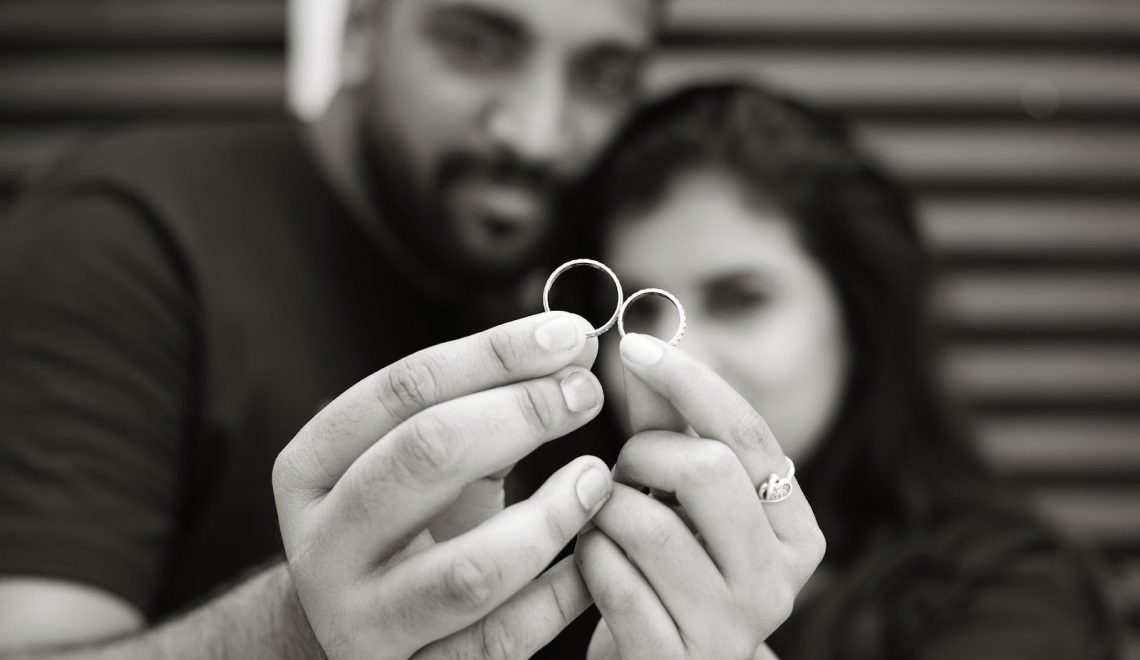
Most of us have heard about prenups, but how many of us truly know what they are? When people get married, they don’t exactly anticipate breaking up. However, it’s a simple fact that almost half of the marriages in the UK end with divorce.
It may not be the most romantic gesture to ask for a prenup, but it’s sometimes a necessary consideration for some couples who may have a lot to lose if a divorce should happen. Prenuptial agreement solicitors in London can help make sense of prenups for those considering putting one in place. But are they for everyone?
One issue many people face regarding prenups is whether or not it’s really fair to put one in place at all. Let’s delve in…
What Is a Prenup?
A prenuptial agreement commonly referred to as a prenup, is a legally binding contract that is created and signed by two people before they get married. The agreement outlines the rights and responsibilities of each spouse in the event of a divorce or death.
Typically, prenups are used to protect each spouse’s assets and property. For example, suppose one spouse brings a significant amount of assets or property into the marriage. In that case, they may want to ensure that those assets and property are protected in case of a divorce or death.
Prenups can also be used to establish spousal support or alimony payments in case of a divorce. In addition, they can also include clauses involving the management of any joint property, the sharing of debts, and the distribution of assets in the event of death.
It’s important to note that prenups can’t include provisions that would be illegal, immoral, or against public policy. Furthermore, they must be signed by both parties voluntarily and with full disclosure of assets.
How Can a Prenup Affect Men and Women Differently?
A prenuptial agreement can affect men and women differently depending on the specific terms and conditions outlined in the agreement.
In addition, a prenup could also affect them differently based on their gender. This is down to the fact that men and women are seen to have different roles in a traditional sense.
The reason for this is that women tend to earn lower wages than men. Along with this, they are also the ones who generally take time off to care for their children.
From a negative perspective, a prenup can affect women if the terms and conditions outlined in the agreement are not fair or equitable.
If the prenup does not provide adequate financial protection for the woman in the event of a divorce or death, it can leave her in a vulnerable financial position. The standard of living can also be impacted if the prenup does not include the right level of spousal support.
Men are known to earn more, so with a prenup in place, they could be seen to be more protected within the marriage. This is particularly true if the woman earns less and takes time off work to look after her children.
The Importance of Equality
We now live in a world where equality is an integral part of society. While there are still some areas of life lacking in equality, divorce should be equal.
However, a prenup could mean that things are not as equal as they might seem. As mentioned, women might become worse off as a result of their personal circumstances. Lower wages and less time spent working could mean that the prenup does not offer the protection that it should.
For men, a prenup can also protect their financial interests. If a man has a business or a significant amount of assets, a prenup can ensure that these assets are protected in case of a divorce or death.
Additionally, a prenup can also limit their financial responsibility in the event of a divorce by establishing how much support should be paid, or even if any should be paid.

Does a Prenup Empower Either Person?
A prenuptial agreement can empower both men and women in certain ways. This is because it provides a level of financial protection while outlining rights and responsibilities.
Financial Protection
A prenup can empower both men and women by providing protection for their assets, property, and income. This can ensure that each party can maintain a certain standard of living and protect their financial interests.
Clarity and Transparency
A prenup can empower both parties by establishing clear and transparent expectations and agreements from the beginning of the marriage. This can help to avoid potential conflicts or misunderstandings in the future.
Encourage Open Communication
Having a prenup discussion can open up the dialogue between both parties about their financial expectations and goals. This encourages open communication from the start, and it can also help to foster trust and mutual understanding.
Legal Representation
A prenup can empower both men and women by providing them with legal representation while drafting the agreement. This can ensure that each party fully understands their rights and can negotiate fair and equitable terms.
Avoiding Court Battles
A prenup can empower both parties by providing a framework for resolving disputes in the event of a divorce, which can avoid expensive court battles and time-consuming legal proceedings.
So, Are Prenups Worthwhile?
Prenups can prove to be extremely useful. When used and implemented correctly, they offer a lot of benefits. However, they have to work for both parties, and this is why they have to be professionally drafted.
There is a potential for them to impact men and women differently. Despite this, if they are drafted correctly, gender equality should not be an issue.
Please be advised that this article is for general informational purposes only and should not be used as a substitute for advice from a trained legal professional. Be sure to consult a lawyer/solicitor if you’re seeking advice on prenups. We are not liable for risks or issues associated with using or acting upon the information on this site.
More to Love!
Empower Your Family With Communication