SUBSCRIBE


The Ultimate Checklist For Building A House
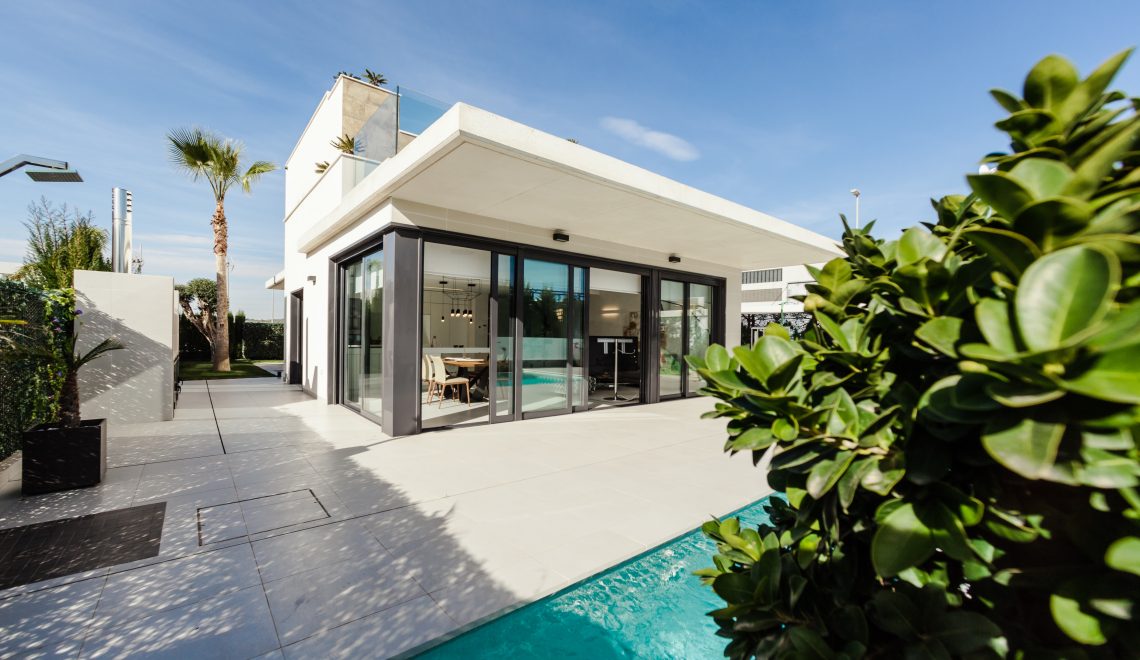
Building a house is no piece of cake. And if it’s your first time undertaking such a project, it requires even more planning, hard work, and time. Confused about where to start? Don’t worry — it’s natural. Just follow our checklist to ensure you don’t miss out on anything!
Pre-Construction Stage
Planning is essential if you wish your house’s construction to go smoothly. Here are five steps to complete before construction begins, making the whole process much more manageable.
1. Establish Your Goals & Budget
Make a list of your requirements, then decide on a budget for fulfilling them. Remember that this will be just a rough outline of your expectations of how much money will be spent and how the final house will take shape. For a more accurate and realistic plan, many homeowners turn to professional construction estimating services to assess costs early in the process. Inflation and changing preferences may cause your finances and goals to vary.
If you’re still confused between building and buying a house, take a step back and read this helpful guide here before making a decision.
2. Find A Suitable Location And Land
The perfect location and plot are different for everyone. Choose land near the facilities and amenities that suit you best. For instance, busy parents may look at the proximity of schools and recreational centers.
3. Hire An Architect
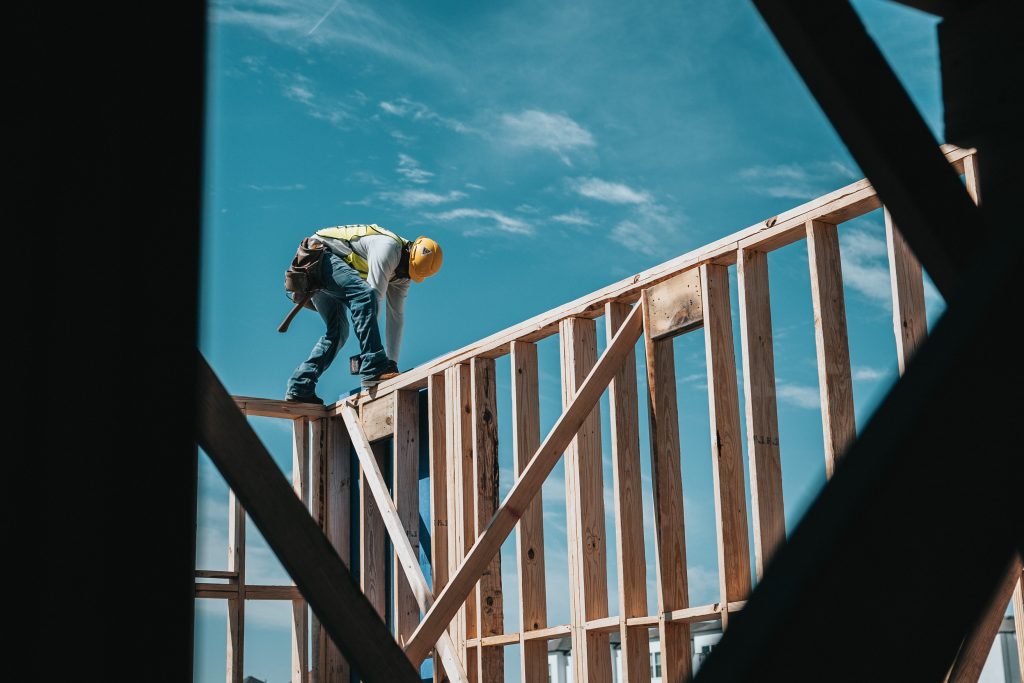
After setting your goals and choosing a location, collaborate with experts to bring your ideas to life. Architects will help you make the necessary blueprints and house plans according to your requirements.
4. Obtain Necessary Approvals
Research local land and building laws and obtain permits to commence construction. This way, you don’t have to worry about incurring hefty fines or legal hindrances in construction afterward.
5. Finalizing House Plan
Review the blueprints and house plans made by your architect and make any modifications.
Construction Stage
Now that the planning is complete, it’s time to construct your house. Here are eleven things to get done in the construction stage to add to your checklist for building your house.
1. Hire A Contractor And Construction Team
Choose reliable construction workers based on ratings, previous work, and the materials’ quality.
2. Set A Realistic Timeline
Set a realistic timeline within which you want your house to be completed, and ensure that it is communicated to each person involved in the construction.
3. Make A Construction Schedule
Divide the construction project into smaller tasks and assign specific timeframes. However, remember, being slightly off schedule sometimes is perfectly normal. You may even have to constantly readjust plans to accommodate unforeseen occurrences.

4. Ensure Proper Site Preparation And Foundation Work
Site preparation and foundation works involve clearing the site and providing overall lateral stability for construction. Also, make sure to get the soil tested to ensure stability. Arranging Rapid Building Inspections during construction can help identify potential issues early and ensure each phase of the build meets expected quality standards.
5. Frame The Structure And Install A Roof
Start construction by building walls, floors, and the roof.
6. Finish The Walls, Ceilings, And Floors
Apply finishes such as drywall, paint, and ceiling treatment to the interior are must to add in your checklist for building a house.
7. Install Plumbing And Electrical Systems
Next, install the electric wiring, plumbing pipes, and other fixtures. Ensure that these features comply with safety standards.
Plumbing, just like electrical wiring, should ideally be completed before drywall installation. It’s a reliable plumbing solution to prevent potential major repairs. This ensures any necessary adjustments are addressed before walls are completed.
8. Install Windows And Doors
Ensure windows and doors fit securely. Make sure windows are installed in a way that ensures insulation and, thus, energy efficiency.

9. Install The HVAC System
Install a heat, ventilation, and air conditioning system to ensure your new home is comfortable. Consider the costs and benefits of different companies that provide HVAC systems.
10. Add Necessary Fixtures & Appliances
Install the required fixtures in bathrooms and kitchen, and set up appliances according to your design plan.
11. Finishing Touches
Add decorative elements and the final coats of paint. At this point, you may choose to consult with an interior designer. Here is a guide on creating the organic modern interior style.
Post-Construction Stage
Construction may be the most challenging part of building a home. But it is certainly not the last. Here are four things that you must do post-construction.
1. Conduct A Detailed Inspection
Hire an expert to ensure that everything from the electrical wiring to your home’s foundations is in place and safe for living.

2. Connect Utilities
Choose utility providers that suit your needs, and have them connect your water, electricity, and heat to ensure a livable home.
3. Landscaping
Enhance the aesthetic of your home by landscaping your yard, installing plants, and adding exterior touches.
4. Final Walkthrough
Now, you’ll want to walk through the house one last time before it is ready to move into for any last-minute modifications. If nothing is left to be done, use this time to simply marvel at your hard work!
Additional Factors To Keep In Mind
So that was the ultimate checklist for building a house. But you also want to keep the following considerations in mind during the entire process.
1. Sustainable Building
To ensure the well-being of the environment, sustainability is an important consideration when constructing your house.
You want to ensure that the materials and machinery you use are sourced in an eco-friendly manner. Also, talk to your contractor to determine how to use techniques for sustainable building construction.
2. Smart Technology
Becoming increasingly popular, smart technology is the way to go if you want to create a convenient and efficient home. Modern technology has made everything from kitchen appliances to security systems capable of automation.
3. Accessibility Considerations
Last but not least, ensuring your home is accessible is crucial, especially if the occupants include aging adults or people with disabilities. Accessibility considerations provide inclusivity, enable independent living, and ensure that every home member is comfortable. For starters, here is a guide to home modifications for people with disabilities.
Feature Image by Ralph Kayden | Unsplash
More to Love!
5 Tips for Building A Custom Home Successfully
How to Choose The Best Home Design: What Are The Must-Haves?