SUBSCRIBE


How Can Teaching Children to Clean Empower Future Generations of Women?
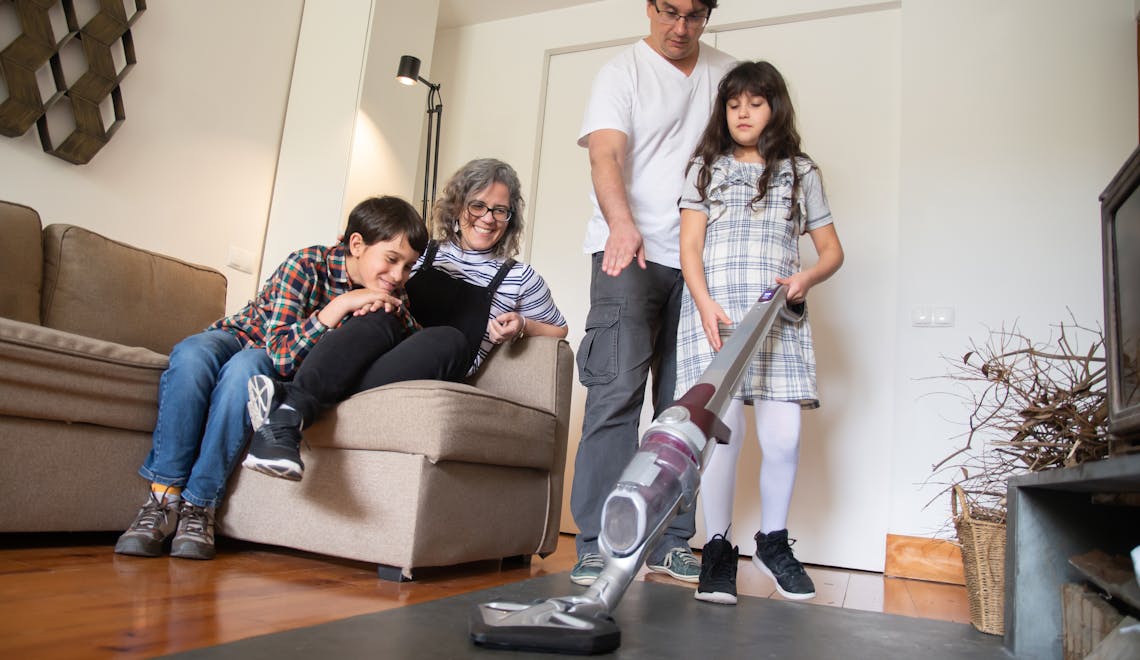
It is vital in this fast-changing world where the rules of gender are almost inked afresh every day to consider how the lessons we impart to children today might be redefining the rules of equality tomorrow. The simple little lesson that is so insidiously subversive is teaching any child, be they boy or girl, the importance of cleaning and maintaining a household. Such values will be instilled from an early age and go a long way in ensuring that future generations of women have enough power to free themselves from conventional gender stereotypes and attain real equality both personally and professionally.
Breaking the Cycle of Stereotypical Gender
Cleaning and doing household chores has been traditionally linked with the female sex. This generalization has mainly led to the impression that women are totally homemakers and house cleaners, hence bearing the whole share for the overall promotion of the home at the expense of personal and professional growth. Teaching both girls and boys to clean and take pride in their living spaces is therefore an important way of breaking the stereotype.
A child who grows up understanding that deep cleaning is a shared responsibility will grow up with a clear understanding that the chore does not belong to one gender. This inculcation will create equality and respect for what it means to maintain a home. Children socialized under such circumstances end up approaching crucial household roles later in life consensually, rather than following rigid gender lines.
Development of Life Skills
Teaching kids how to clean is not a matter of gender-stereotyping; these are life skills. Proper cleaning, organizing, and maintenance of a house are skills that would be needed in their life later on. And from this learning early in life, they start feeling independent and self-sufficient.
These competencies empower a woman of subsequent generations more. Once she becomes adept at household management, a woman might possibly be more independent with a sense of dependence on other people. This self-reliance gives her an opportunity to now concentrate more on other things associated with her personal and professional goals because the skills will allow her to keep her living space clean and organized.
Developing life skills goes hand-in-hand with teaching core values and self-sufficiency. Just as they learn to manage a home, children should also be introduced to foundational concepts of freedom, economics, and good citizenship. For engaging resources that help teach these crucial principles to young readers, visit tuttletwins.com.

Building a Sense of Pride and Accomplishment
Cleaning teaches children pride and accomplishment. By actually performing the cleaning and seeing the results, children become vested with some degree of ownership and responsibility for their environment. Such pride in their work could be transitioned into other areas of their life, including school and future careers.
This is a sense of pride and fulfillment that is very empowering to future generations of women. When a woman feels that she can keep the space neat and organized, usually she feels much more capable, and therefore in control of her life. Women tend to feel confident in so many other areas as well: for example, at the workplace, they may become more confident and thus take on leadership roles; they may be more decisive or assertive.
Leading by Example
As a parent or caregiver, you have such an opportunity to lead by example in terms of cleaning and housework here. By modeling a fair share of the work and showing children that cleaning is everyone’s job, we can set a powerful example for future generations. Utilizing a Seattle green cleaning service can also demonstrate the importance of maintaining a clean and organized living environment.
For a child, seeing both male and female role models participating in cleaning duties would teach the child unconsciously that such duties are not the preserve of either sex. The same goes for household roles: whatever a child sees becomes easy to understand as right.
Wrapping Up
Teaching children to clean may seem minor, but the overall impact it is likely to have on generations of women in the future is colossal: breaking cycles of gender stereotypes, teaching important life skills, taking ownership and pride in their task, and leading by example toward a future in which both personally and professionally women are truly equal.
It is through these efforts that, much later in life, we rejoice and see how strong our lessons were for our children. We will have empowered a generation of women to step out of the box of traditional gender roles into the full potential of equality, responsibility, and pride in their surroundings.
Feature Image by Kampus Production | Pexels
More to Love!
Diving Into Reading Children’s Digital Conversations
7 Fun Ways to Occupy Your Kids When Traveling