SUBSCRIBE


The Future of Interior Design: AI and 3D Rendering Innovations
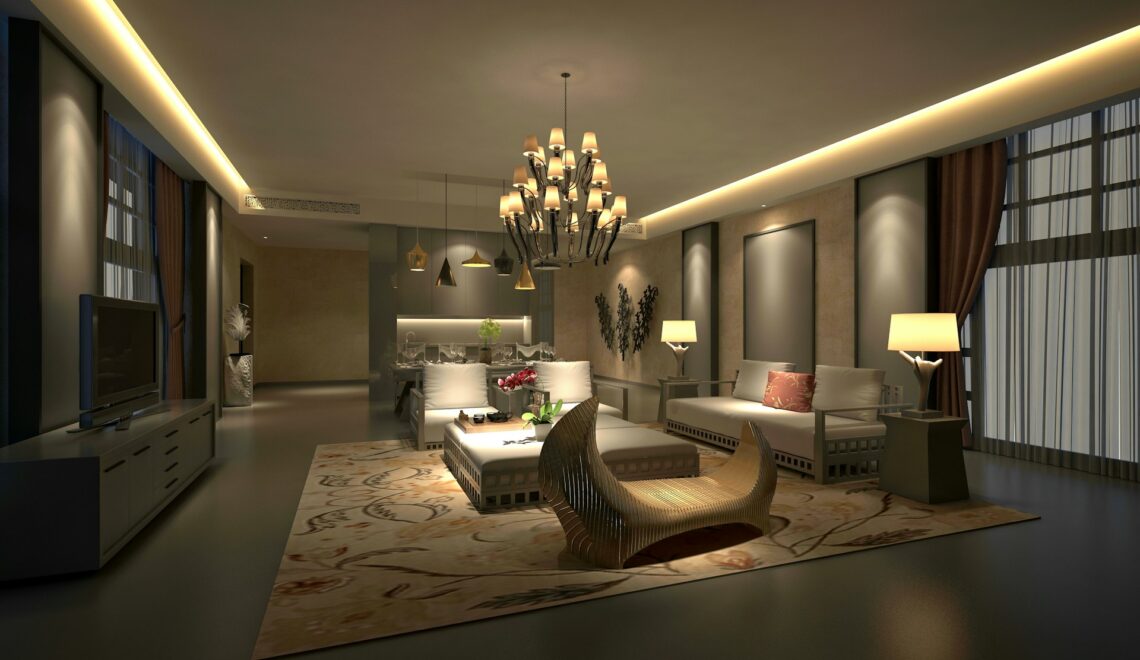
The design world is undergoing a groundbreaking transformation driven by advancements in artificial intelligence (AI) and 3D rendering technologies. These innovations redefine how interior spaces are conceptualized, visualized, and brought to life. As a leading 3d architectural visualization studio, we explore how AI and 3D rendering are shaping the future of interior design.
The Evolution of Interior Design Technology
Traditional Design Methods
Interior design once relied heavily on hand-drawn sketches and physical mood boards. While these methods showcased creativity, they often lacked precision and efficiency. Revisions were time-consuming, and clients had to rely on their imagination to visualize the outcome. This frequently led to misunderstandings and project delays as clients struggled to grasp the designer’s vision.
The limitations of these traditional methods became apparent as projects grew in scale and complexity. For example, a designer working on a multi-room renovation would spend countless hours refining individual sketches and layouts without guaranteeing that the client would fully understand the concept. These challenges created a need for more efficient and accurate tools to bridge the gap between designers and clients.
Emergence of 3D Rendering
The advent of 3d rendering services revolutionized the design process by offering realistic visualizations of interior spaces. Designers could experiment with layouts, materials, and lighting in a virtual environment, enabling clients to see an accurate representation of their future spaces. This shift significantly improved decision-making, reduced revisions, and enhanced project timelines.
With the rise of architectural rendering, clients could visualize entire projects in once-impossible ways. From selecting the perfect shade of paint to experimenting with furniture placement, 3D rendering provided a level of detail that traditional methods could never achieve. This innovation laid the foundation for further technological advancements, including the integration of AI.
Integration of Artificial Intelligence in Interior Design
AI-Driven Design Suggestions
AI technology analyzes spatial data, client preferences, and design trends to generate tailored recommendations. This innovation streamlines the creative process, offering designers many options that align with aesthetic and functional goals. By integrating AI with architectural rendering services, designers can explore creative possibilities more efficiently.
For instance, AI can analyze a room’s dimensions and lighting conditions to suggest optimal furniture layouts or color schemes. These recommendations are based on extensive datasets, including successful past designs and current market trends. It saves time and ensures the final design aligns perfectly with the client’s needs.

Automated Rendering Processes
Combining AI with 3d architectural rendering has streamlined complex tasks such as lighting simulations and texture mapping. Automation enables quicker iterations and ensures consistent quality, allowing designers to focus more on conceptualization and less on technical execution.
For example, a task that once took hours, such as creating realistic lighting effects for an ample commercial space, can now be completed in minutes using AI-powered rendering tools. This efficiency allows designers to experiment with multiple options, presenting clients with various choices without extending project timelines.
Benefits of AI and 3D Rendering in Interior Design
The synergy between AI and 3D rendering offers numerous advantages:
- Enhanced Visualization: Photorealistic renderings help clients understand designs better, providing clarity and reducing uncertainty.
- Time Efficiency: Automated processes allow projects to be completed faster without sacrificing quality.
- Cost Savings: Fewer revisions and efficient resource use lower project costs, making high-quality designs more accessible.
- Precision: Accurate measurements and realistic simulations enhance design accuracy, ensuring that every detail aligns with the client’s vision.
- Creative Exploration: AI tools free designers to focus on innovative ideas, pushing the boundaries of what’s possible in interior design.
These benefits transform how interior design projects are executed and perceived, making the process more collaborative and results-oriented.
Challenges and Considerations
Ethical Implications
While AI has enhanced design processes, there’s a risk of over-reliance. This could lead to homogenized solutions lacking the emotional depth that human creativity brings. Designers must use these tools to complement, not replace, their artistic intuition, ensuring every project retains its individuality.
Technological Limitations
Even with advancements, rendering services face challenges like handling complex lighting scenarios and material interactions. Learning and implementing these technologies also require time and resources, posing barriers for smaller firms or individuals.
For example, rendering a space with intricate lighting—such as a chandelier reflecting off mirrored walls—can still present difficulties, requiring manual adjustments even with advanced tools.

Case Studies: AI and 3D Rendering in Action
One standout example is the redesign of a historic downtown loft. Using cutting-edge 3D architectural rendering, the team retained the building’s charm while incorporating modern amenities. AI-generated layout options balanced historical preservation with contemporary needs. Clients were so impressed with the photorealistic renderings that the finished project exceeded expectations, perfectly matching the initial visuals.
Another notable case involved a luxury hotel redesign. Integrating AI-driven architectural rendering allowed designers to experiment with various room layouts and color palettes. The project’s success demonstrated how these technologies enhance creativity and ensure precision.
Future Prospects of AI and 3D Rendering in Interior Design
Emerging Trends
Real-time rendering capabilities allow designers to visualize design changes instantly, while virtual and augmented reality tools enable clients to explore their future spaces interactively. These trends are set to make interior design more immersive and collaborative.
Another exciting development is the integration of digital twin technology. This involves creating a virtual replica of a physical space, allowing designers to test various scenarios and make data-driven decisions. Combined with 3D architectural rendering, digital twins can revolutionize how designers approach large-scale projects.
Preparing for Technological Advancements
As these technologies evolve, designers must stay updated with training and education. Embracing tools like AI and 3D rendering ensures competitiveness in an industry increasingly shaped by innovation.
Investing in these technologies will pay dividends for designers and firms looking to stay ahead as client expectations and industry standards continue to rise.
Wrapping Up
AI and 3D rendering revolutionize interior design, offering tools that enhance creativity, efficiency, and client satisfaction. While challenges like ethical concerns and technological limitations exist, the potential benefits outweigh them. These advancements are enhancing how designs are created and redefining the entire process.
By integrating advanced technologies with traditional artistry, the future of interior design will be smarter, more efficient, and more collaborative than ever before.
More to Love!
Mastering the Interior Rendering Process: A Step-by-Step Visual Guide
Elevating Home Design: Exploring the Latest Software & Tools for Design Enthusiasts