SUBSCRIBE


Common Oil Painting Mistakes (And How To Fix Them)
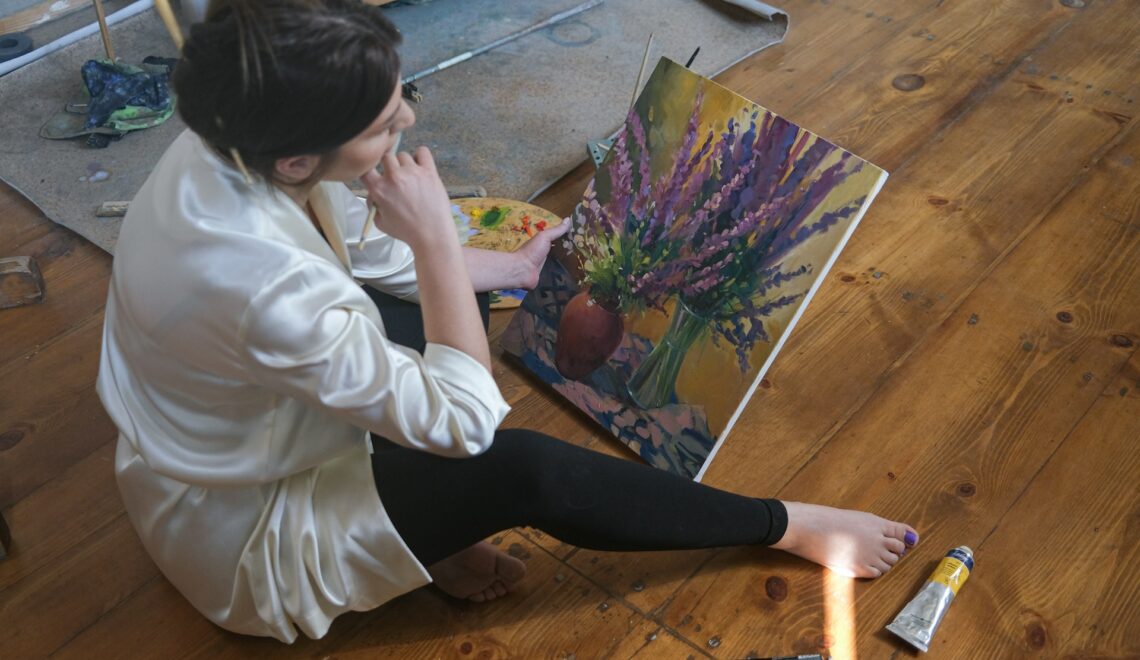
Oil paints can be a tricky business in terms of mess—you’ll more than likely get it smeared on your smock or fingers somewhere—but in terms of the canvas, it can be quite forgiving. If you want to lift a little paint from the canvas, you can, and if some shading goes wrong, it’s fairly easy to fix. However, as a beginner, it’s best to know the mistakes you might make so it can be easier to avoid them. We’ll go through some common mistakes you might make with oil paints so you know exactly how to fix them and you can be on your way to being the next master artist.
1. Overusing Black and White Paints
When we’re taught at school about mixing colors, white and black feature prominently. However, while it can be easier to lighten up a shade by adding white, for example, it can also make your colors look muddy and dull—this might be why that bird you’re painting doesn’t look exactly right. Titanium white in particular (because of its opaque nature) can reduce the intensity of your color. It can actually be better here to think about combined complementary colors instead, which can add a depth to your canvas.
2. Applying Paint Too Thickly, Too Soon
Now, it’s always good to be confident, but too much paint too soon can end up with cracks as it dries. The technique of ‘fat over lean’ suggests starting with thinner layers of oil, which will ensure that you can build up your paint gradually over time and allow your oil paint to dry appropriately. Oil paint dries in stages, with full drying taking up to a year, so this technique will help present unsightly cracks in your new masterpieces.

3. Neglecting Proper Brush Selection
You probably took a bit of time to decide what oil paints to get, but did you consider your brushes? Depending on what you’re planning, you might require a softer brush for those fine details. A stiffer brush, though, can help for those initial layers or rough textures, so choosing the right selection of brushes can not only make your paintings look better but also make the brushes themselves last longer.
4. Failing to Allow Adequate Drying Time Between Layers
Not only should you apply thinner layers, but you also need to allow your painting enough time to breathe (and yourself—remember to ventilate). Not only can impatience lead to cracking but also to colors mixing that you didn’t intend to, as well as blurring lines and making that feather look just that little bit less sharp. Using more oil in each successive layer can prevent these problems, allowing each layer to dry at a consistent rate.
5. Using Low-Quality Materials
While investing in lower-quality materials can be budget-friendly to begin with, you may end up having issues with the quality of your paintings because of it. Investing in better quality oil paints, as well as primed canvases that are suitable for oils, will help you both in the longevity of your paintings and also with color retention and vibrancy. Preparing your canvas is an important part of painting with oils, so having the right material will make everything a lot easier, especially if you’re a beginner.
More to Love!
The Singular Beauty of Naturalism Painting
10 Essential Tips for Beginners Starting Their Diamond Art Painting Journey