SUBSCRIBE


Sustainable Furniture: How MDF and Precise Cuts Reduce Waste
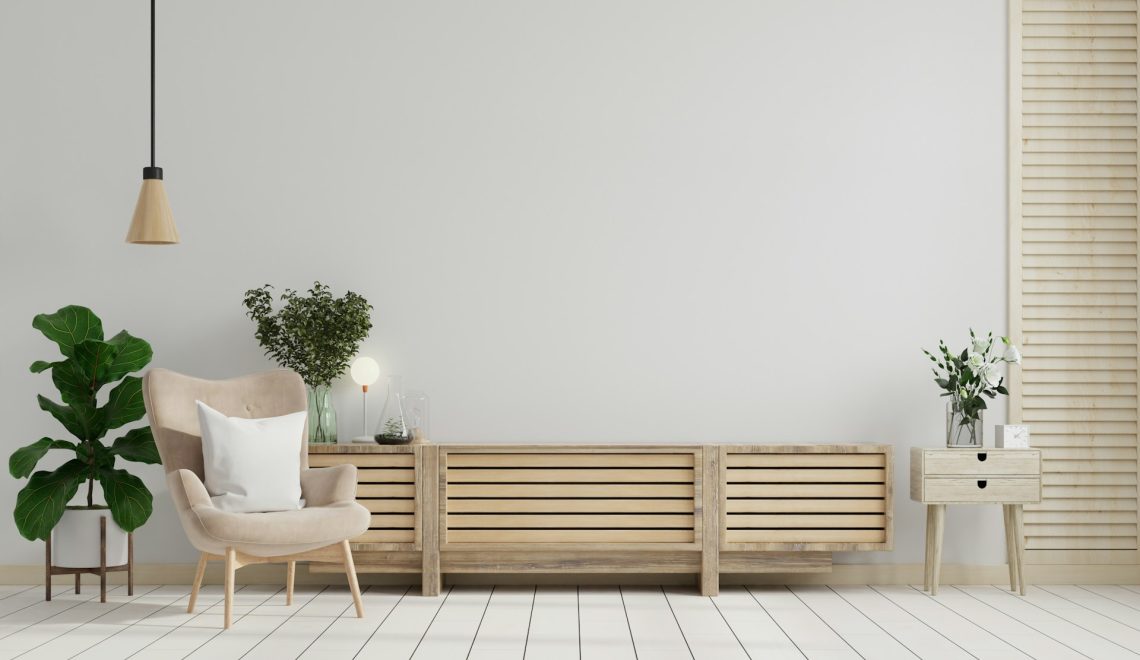
The furniture industry is undergoing a transformation. In a dramatic about-face, the buying public and manufacturers are now on the same page, demanding products that prioritize the planet’s well-being alongside their own. Green thumbs are certainly on the rise, and Medium Density Fiberboard is taking center stage as the answer to many environmental prayers. Here’s the perfect blend: a fantastic material gets paired with razor-sharp cutting tools – a foolproof recipe for slash-and-burn waste reduction in furniture making. Sustainable furniture design just got a whole lot easier, thanks to the cutting-edge combo of MDF and razor-sharp cuts.
Understanding MDF: A Sustainable Alternative
MDF is an engineered wood product that offers numerous advantages over traditional solid wood. It’s made by breaking down hardwood or softwood residuals into wood fibers, which are then combined with wax and resin binders under heat and pressure. By following this process, you get a board that’s consistently solid, uniformly dense, and ready for furniture making.
Composition and Manufacturing
The creation of MDF involves several steps:
- Wood fiber extraction
- Mixing with adhesives
- Forming into sheets
- Pressing under high temperature and pressure
- Cooling and finishing
This method allows for the use of wood waste and small-diameter trees that might otherwise be discarded. Think twice before chucking that old sofa; this industry innovator just proved that with a little creativity, yesterday’s trash can become tomorrow’s comfortable, eco-conscious treasured piece.
Environmental Benefits
MDF offers several environmental advantages:
- Utilizes wood waste and fast-growing trees
- Reduces demand for old-growth forests
- Requires less energy to produce than solid wood
- Can be recycled at the end of its life cycle
By choosing MDF, furniture makers can significantly lower their carbon footprint while still creating high-quality products.
The Role of Precise Cuts in Waste Reduction
Accurate cutting is crucial in furniture production. Both the quality of the final product and the amount of waste generated get a boost from this step. With advanced cutting tools, we can now squeeze every last bit of material out of our resources, producing barely any waste in the process.
Advanced Cutting Technologies
Today’s furniture manufacturers use sophisticated machinery for cutting MDF:
- CNC routers
- Laser cutters
- Water jet cutters
Benefits of Precise Cutting
Accurate cuts contribute to sustainability in several ways:
- Reduces the amount of waste generated.
- Slims down the need for extra processing steps after the cutting process.
- Say goodbye to part-related frustration – this clever system keeps everything you need within easy reach, giving you the freedom to create without interruption.
- Modular design becomes a reality, as you can create puzzle-like pieces that connect smoothly, and fasteners become a thing of the past.
With precise cutting techniques, furniture makers hit two birds with one stone: they streamline their production process and reduce their ecological footprint, all while delivering expertly crafted pieces that customers will love.
MDF Cut-to-Size Services: Tailored Solutions for Sustainable Furniture
Furniture production has undergone a significant transformation with the advent of MDF cut-to-size services. By tapping into these services, manufacturers can precision-cut MDF panels to exact specs, neatly sidestepping on-site cutting hassles and reducing waste to a minimum.
How Cut-to-Size Services Work
The process typically involves:
- Submitting design specifications
- Computer-aided optimization of cutting patterns
- Precision cutting using advanced machinery
- Quality control checks
- Packaging and delivery of ready-to-assemble pieces
Advantages for Furniture Makers
MDF cut-to-size services offer numerous benefits:
- Reduced on-site waste
- Lower equipment and labor costs
- Increased production efficiency
- Consistent quality across batches
- Flexibility in design and production scale
By utilizing these services, furniture makers can focus on assembly and finishing, improving overall productivity and sustainability.
Innovative Design Approaches with MDF
MDF’s versatility opens up a world of design possibilities. By virtue of its smooth, evenly balanced composition, this material becomes a dream to work with, allowing for intricate patterns and designs that would be impossible to recreate with solid wood.
Exploring Creative Possibilities
Designers are pushing the boundaries with MDF:
- Curved and organic forms
- Interlocking furniture pieces
- Lightweight yet sturdy structures
- Customizable modular designs
Sustainable Design Principles
When working with MDF, designers are incorporating sustainable principles:
- Minimalist designs that use less material
- Multi-functional pieces that reduce the need for multiple furniture items
- Easy-to-disassemble designs for recycling at end-of-life
- Integration of other recycled materials
By thinking creatively, designers are proving that sustainability and style can go hand in hand.

The Economic Impact of MDF in Furniture Production
Economically speaking, the shift to MDF in furniture making is a game-changer. For those looking to sidestep the high price tag of solid wood, this provides a thrifty solution that will hardly compromise on looks or quality.
Cost Savings for Manufacturers
MDF provides several economic advantages:
- Lower raw material costs
- Reduced labor expenses due to easier processing
- Decreased transportation costs due to lighter weight
- Fewer defects and less waste
These factors contribute to a more competitive pricing structure for furniture makers.
Market Trends and Consumer Preferences
The furniture market is seeing a shift towards MDF-based products:
- Increasing demand for affordable, stylish furniture
- Growing awareness and preference for eco-friendly options
- Rise of the DIY furniture market, where MDF excels
As consumers become more environmentally conscious, MDF furniture is likely to see continued growth in popularity.
Challenges and Solutions in MDF Furniture Production
While MDF offers many benefits, it also presents some challenges. Sweeping these problems under the rug is no longer an option – the future of sustainable furniture hangs in the balance.
Overcoming MDF Limitations
Some challenges associated with MDF include:
- Moisture sensitivity
- Limited structural strength for certain applications
- Potential for formaldehyde emissions
Manufacturers are tackling these issues through:
- Development of moisture-resistant MDF variants
- Strategic design to enhance structural integrity
- Use of low-emission adhesives and finishes
By continuously improving MDF technology, the furniture industry is enhancing its sustainability credentials.
Educating Consumers
There’s a need to educate consumers about the benefits of MDF furniture:
- Highlighting its environmental advantages
- Explaining its durability and maintenance requirements
- Showcasing its design versatility
Through effective communication, manufacturers can increase acceptance and demand for MDF furniture.
The Future of Sustainable Furniture: MDF and Beyond
Sustainability takes a giant leap forward with MDF leading the charge in eco-conscious furniture production, transforming the industry one piece at a time. The eco-friendly trend in the industry goes far beyond this one aspect, and we’re starting to see real traction.
Emerging Technologies
New technologies are enhancing MDF’s sustainability profile:
- Advanced recycling methods for MDF
- Development of bio-based adhesives
- Integration of smart manufacturing processes
Holistic Approach to Sustainability
The furniture industry is adopting a more comprehensive view of sustainability:
- Life Cycle assessment of products
- Circular economy principles in design and manufacturing
- Collaboration across the supply chain to reduce overall environmental impact
MDF, with its recyclable nature and efficient production process, fits well into this holistic approach.
Wrapping Up
With the fusion of MDF and state-of-the-art cutting techniques, the furniture world is being transformed from the inside out. Imagine a material that does triple duty: replaces old standbys, curbs waste, and births bold new designs – that’s exactly what this pathbreaker delivers. As consumers become increasingly discerning about the environment and their wallets, MDF is strategizing to meet this surging demand by marrying eco-awareness with modern aesthetics at a price point that won’t break the bank.
To get serious about sustainability, furniture makers should take a close look at London Furniture Spraying MDF cut-to-size services. Like their industry peers, these services are also available from other sources. Flawless finishes and bold color schemes come alive with London’s top furniture spraying specialists, breathing new life into worn-out furniture. Unlock sleeker operations by stripping away unnecessary resource usage, then supercharge your production line.
With MDF and cutting-edge tech, we can now craft stunning furniture that’s gentle on the planet. The writing is on the wall – we must adapt our approach to furniture creation, considering the impact it has on our ecosystem and taking steps to minimize harm.
More to love!
Sustainable and Cost-Effective Custom Closet Solutions
Eco-Friendly Mattresses: A Sustainable Choice for Your Home